Stocks Sink, Oil Rises as Trump's Iran Deadline Looms
Markets swung wildly Tuesday as Trump's 8 p.m. deadline for Iran to reopen the Strait of Hormuz sent oil above $117 and the Dow tumbling more than 300 points.
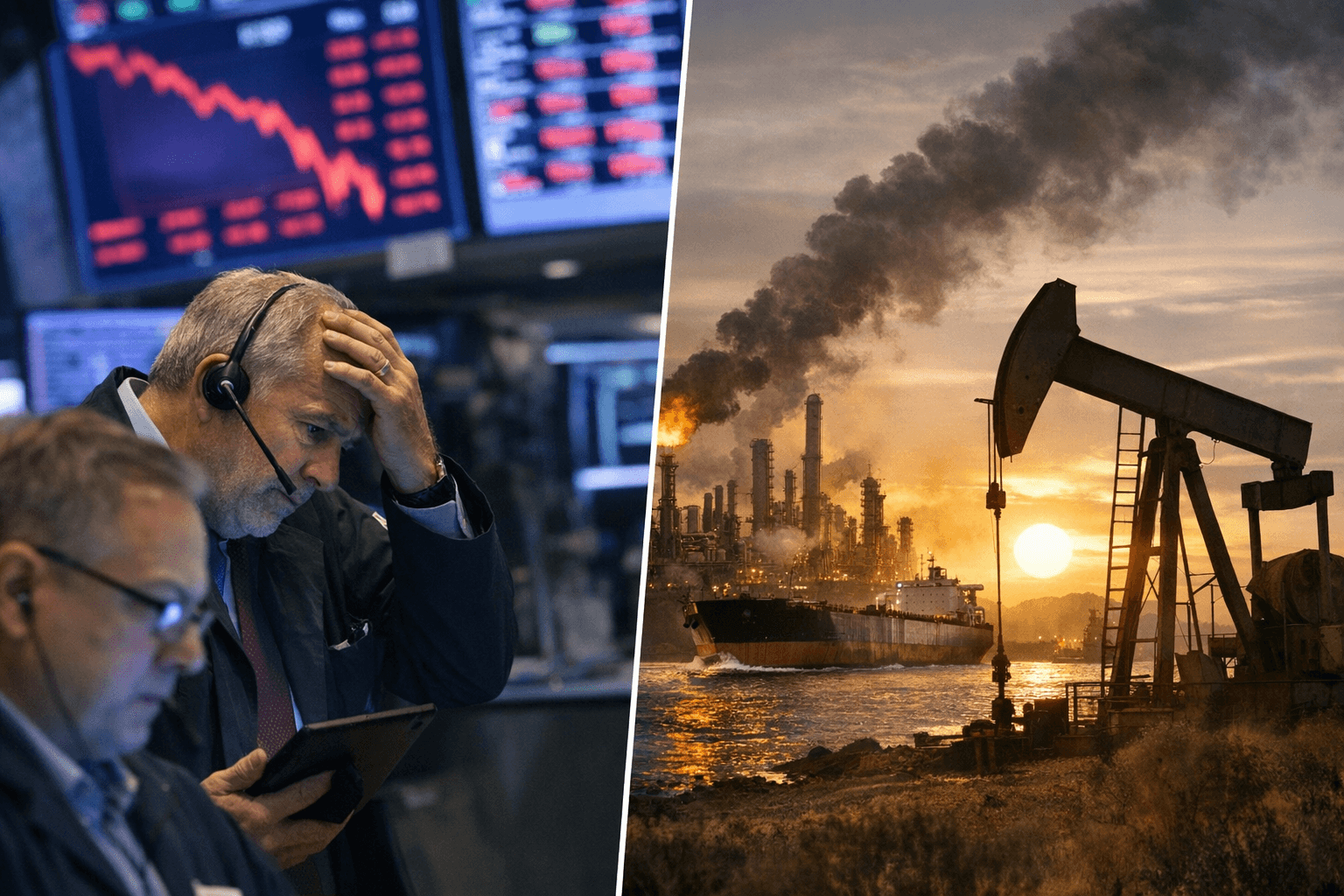
With eight hours to go before President Donald Trump's 8 p.m. ET deadline for Iran to reopen the Strait of Hormuz or face the destruction of its power plants and bridges, Wall Street delivered its verdict on the odds of a deal: not good. The Dow Jones Industrial Average tumbled as many as 324 points, or 0.7%, to 46,346 in early trading Tuesday. The S&P 500 shed as much as 1.2%, sliding to 6,566, while the Nasdaq Composite dropped 1.2%. Oil told the opposite story. U.S. crude spiked as high as $117.63 per barrel before retreating to around $112, and Brent crude touched $111.80 before pulling back near $109, as traders priced in the possibility that a five-week supply shock could deepen overnight.
"Markets are on edge, as time is running out and the outcomes are binary: truce or escalation," said Rob Subbaraman, head of global macro research at Nomura.
The uncertainty stems from a conflict that began in late February, when U.S. and Israeli forces opened the war against Iran. By March 4, Iran had declared the Strait of Hormuz closed, severing the artery through which roughly 20% of the world's daily oil supply and a significant share of global liquefied natural gas transits each day. Iran rejected Trump's latest ceasefire proposal outright, presenting instead a 10-point counterplan demanding a permanent end to hostilities, a safe-passage protocol for the strait, and the lifting of sanctions. Overnight, the U.S. bombed dozens of military targets on Iran's Kharg Island, according to a U.S. official cited by NBC News, further clouding the diplomatic picture hours before Trump's deadline.
Stocks pared their losses late in the session after Pakistan's prime minister urged Trump to grant a two-week extension and asked Tehran to reopen the strait for the same period. The S&P 500 ultimately erased all its losses, ending the day 0.1% higher. The Dow closed down 0.2% and the Nasdaq edged up 0.1%, a reversal that illustrated just how sensitive markets have become to each diplomatic signal.
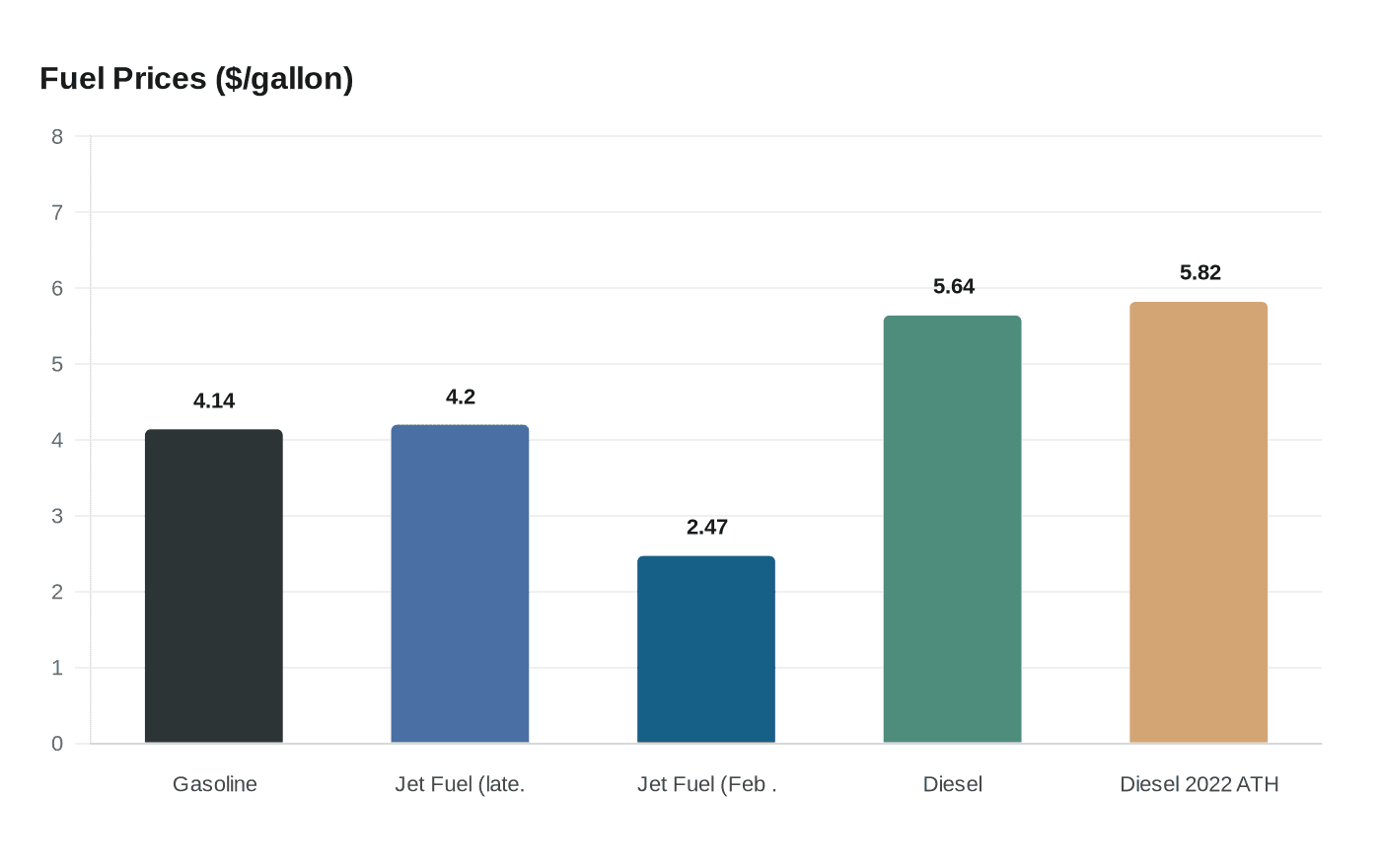
The strain on household budgets is already measurable. The average price of retail gasoline stood at $4.14 per gallon Tuesday, while diesel reached $5.64, within striking distance of its 2022 all-time high of $5.82. Gulf Coast jet fuel has surged roughly 70% since February 27, rising from $2.47 to approximately $4.20 per gallon by late March, a cost that airlines have begun passing through to ticket prices. The conflict has also rattled bond markets: the 10-year Treasury yield climbed back toward 4.36%, lifting 30-year mortgage rates to 6.46%, nearly half a percentage point above their pre-war level. Consensus forecasts ahead of the April 10 CPI release project headline inflation jumping to a 3.4% annual rate, up sharply from February's 2.4%.
The Federal Reserve, which has spent five years trying to return inflation to its 2% target, finds itself effectively frozen. Futures traders briefly pushed the probability of a rate increase by year-end to 52% during the war's most volatile stretches. Whether that pressure intensifies depends entirely on what happens at 8 p.m.
Sources:
Know something we missed? Have a correction or additional information?
Submit a Tip