Stocks Waver as Markets Watch Fragile U.S.-Iran Ceasefire Closely
S&P 500 and Nasdaq pushed toward a seventh consecutive day of gains on April 10 even as Iran's ceasefire violation claims kept crude oil elevated near $99 a barrel.

Wall Street held its nerve Friday as formal peace talks between the United States and Iran opened in Islamabad, with equity markets pressing toward a seventh straight day of gains despite persistent doubts about whether the two-week ceasefire would survive its first week.
The S&P 500 and Nasdaq Composite were both on track for a seventh consecutive session of gains as the week closed, underpinned by hopes the ceasefire deal would hold long enough for diplomacy to take root. The S&P 500 had jumped nearly 3.7% through Thursday's close, tracking for its best week since November. The Dow gained 3.6% week to date while the Nasdaq was on pace to rise 4.3%.
Vice President JD Vance was expected to lead the U.S. negotiating team in Islamabad, where talks aimed at forging a lasting end to the conflict were set to begin Friday. Oil prices held onto recent gains, with West Texas Intermediate crude futures trading near $99 per barrel and Brent futures around $97.
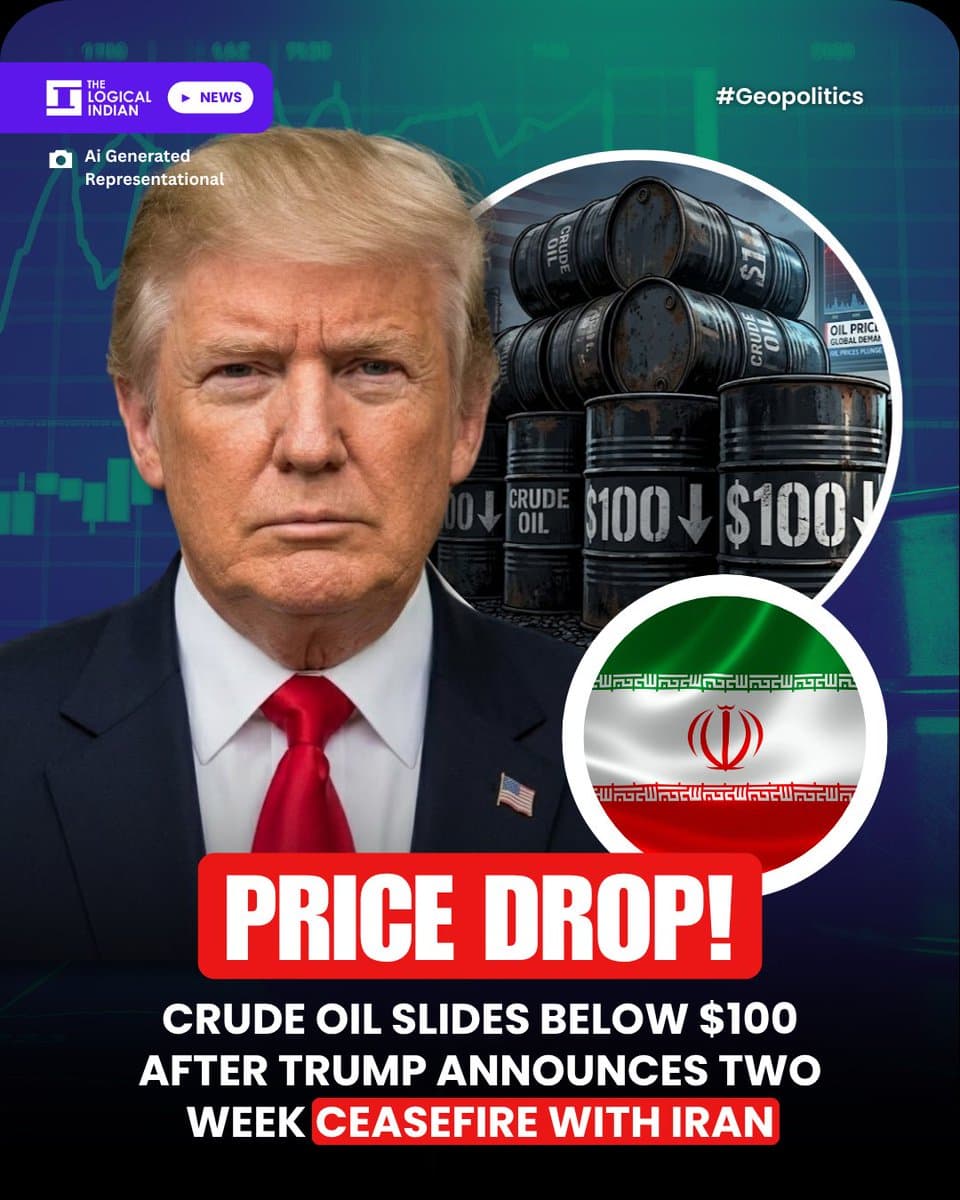
The relief rally had its roots in a dramatic about-face earlier in the week. Pakistan brokered a last-minute intervention just hours before President Trump's deadline for Iran expired, averting what could have been a catastrophic military escalation. Trump announced the U.S. would suspend its bombing campaign for two weeks, contingent on Iran agreeing to fully reopen the Strait of Hormuz, through which a fifth of global oil supply passes.
The Dow Jones surged 1,325 points, or 2.85%, on April 8, with the S&P 500 gaining 2.51% and the Nasdaq rising 2.80%. WTI crude fell 16.4% to $94.41 per barrel, its biggest single-day decline since April 2020. Brent crude dropped 13.3% to $94.75. Oil had surged as much as 70% since the war began in late February, pushing the national average gasoline price above $4.14 per gallon for the first time since 2022.
The celebration proved short-lived. Within a day, the ceasefire showed signs of breaking down. Iran accused Israel of violating the conditional ceasefire by continuing its war with Hezbollah in Lebanon, and also accused the U.S. of violating multiple clauses of the deal framework. Markets barely flinched on the news, with crude ticking slightly higher and stocks falling only 0.3%.
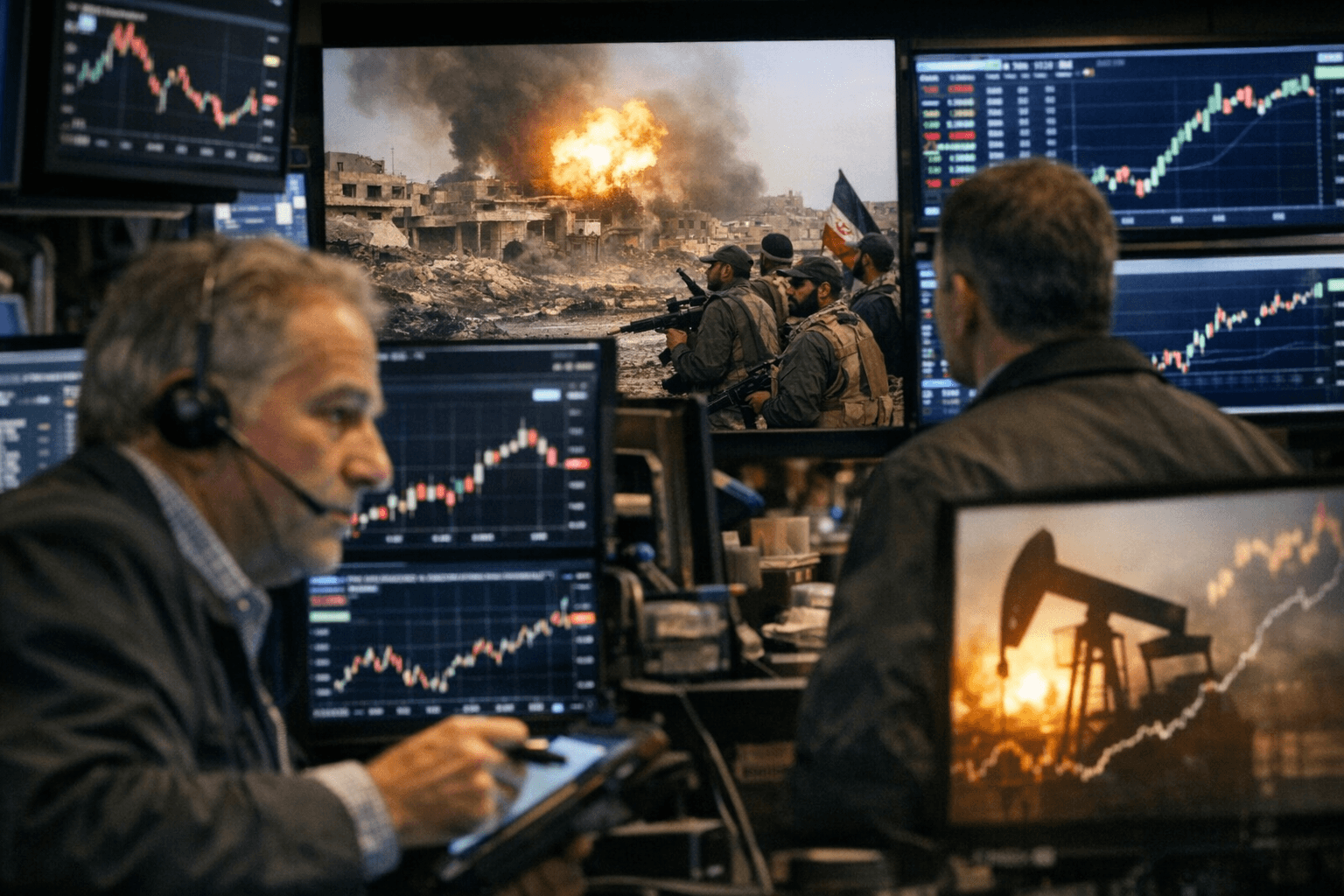
Travel stocks including Norwegian Cruise Line fell roughly 1% in premarket hours as the truce looked shaky after Tehran announced the violations, leading to a rise in oil prices and investor unease over rising fuel costs.
Thursday's session had ended on firmer footing. The S&P 500 rose 0.62% to close at 6,824.66, while the Nasdaq Composite advanced 0.83% to end at 22,822.42. The Dow Jones Industrial Average climbed 275.88 points, or 0.58%, to 48,185.80, turning positive for 2026.
Analysts remained cautious about reading too much into the week's gains. "A lot of negotiation needs to take place before we can say this is over," said Matthew Amis, an investment manager at Aberdeen. "Markets are going to be even more sensitive to headline risk over the next two weeks, therefore this doesn't feel like a one way move in yields just yet."
Ed Yardeni, president of Yardeni Research, lowered his probability of a U.S. recession from 35% to 20% following the ceasefire announcement, but cautioned that "a two-week pause is not a resolution." The ceasefire is set to expire around April 22, leaving markets with little margin for diplomatic failure as Vance's team sat down across the table in Islamabad.
Sources:
Know something we missed? Have a correction or additional information?
Submit a Tip