Streeting proposes aligning capital gains tax with income tax rates
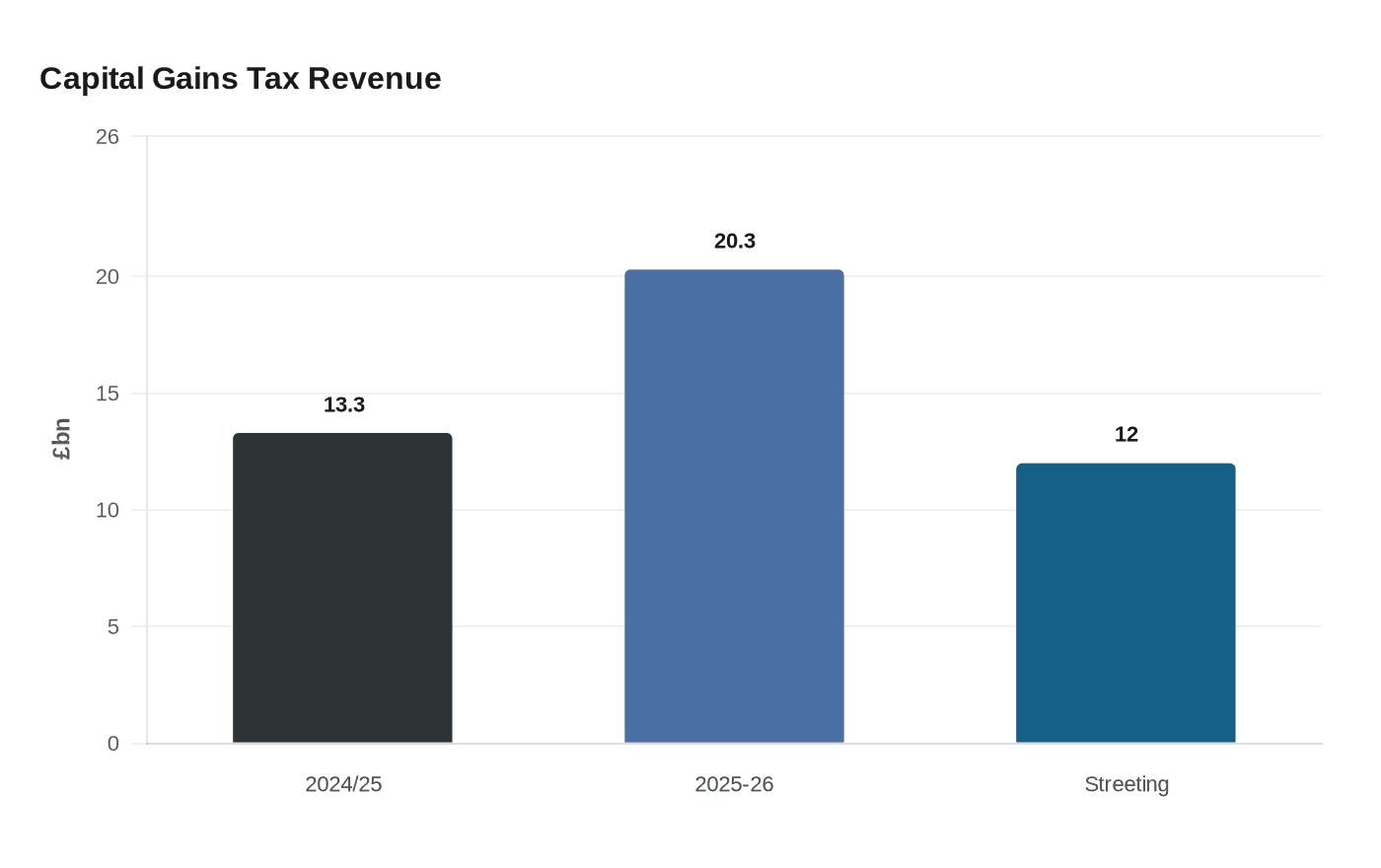
Wes Streeting said aligning capital gains tax with income tax could raise £12bn, but the levy already falls on a tiny minority and the revenue case is fiercely contested.
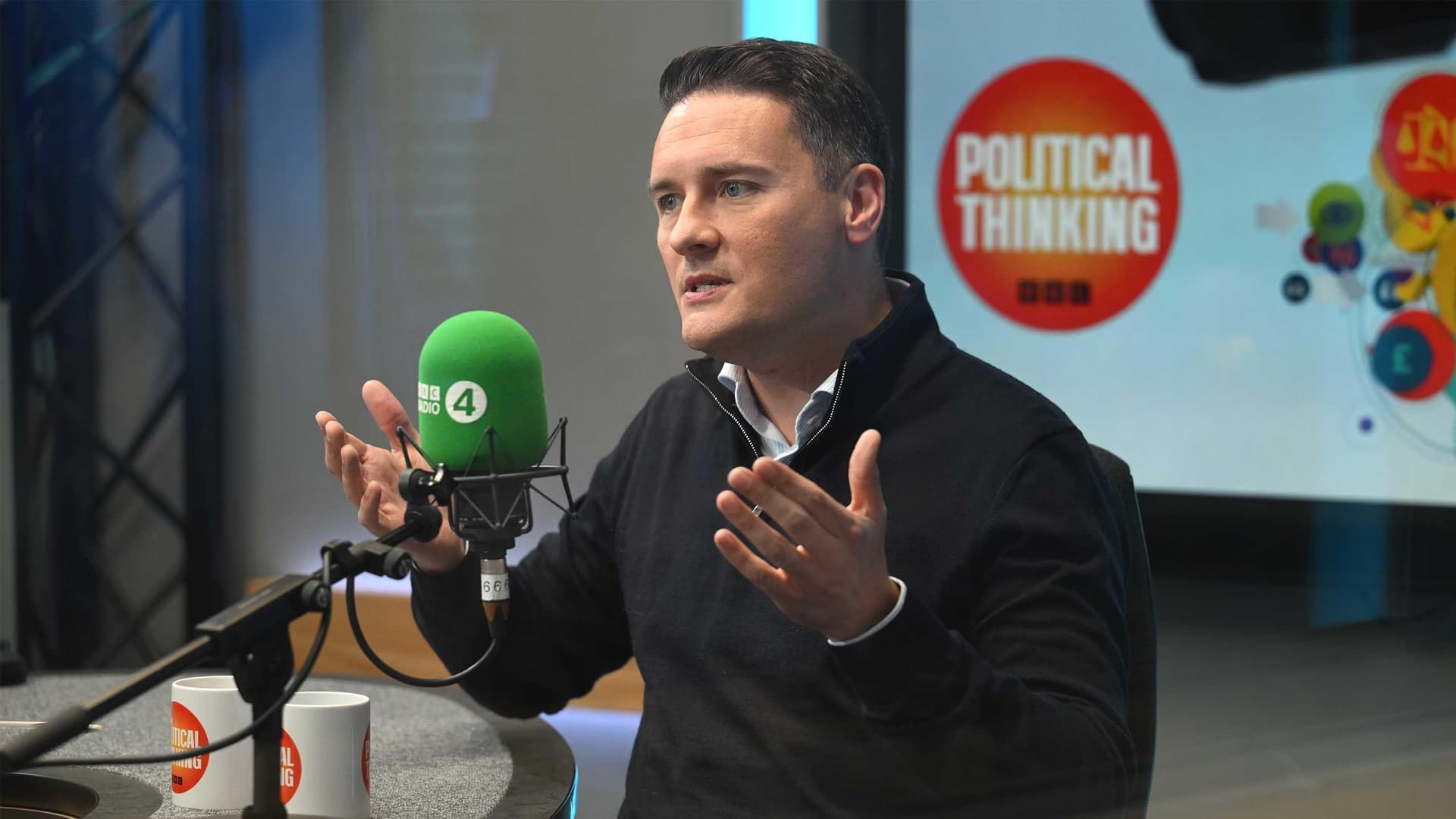
Wes Streeting used his first in-depth broadcast interview since resigning as health secretary to make a sharper tax pitch for Labour, saying capital gains tax should be aligned with income tax and could raise £12bn a year. On BBC Radio 4’s Political Thinking podcast, he argued the current system was unfair and was “penalising work”, while saying lower capital gains rates could still be kept for “genuine” entrepreneurs.
The numbers show why the proposal is politically potent and fiscally uncertain. The Office for Budget Responsibility says capital gains tax is forecast to raise £20.3bn in 2025-26, while the House of Commons Library says it brought in £13.3bn in 2024/25. HM Revenue & Customs figures cited by the library show 348,000 individuals paid the tax in 2022/23, along with 21,000 trusts. That makes capital gains tax a relatively narrow levy, borne by a small slice of the population rather than the wider electorate.

Distributionally, the tax is even more concentrated at the top. The Institute for Fiscal Studies has said capital gains tax should be brought closer to income tax rates and noted that only about 3% of capital gains taxpayers realised gains above £1m, yet that group accounted for two-thirds of capital gains tax revenue. It is that concentration that makes the policy attractive to reformers and a visible test of whether Labour can make wealth taxation look practical rather than merely rhetorical.
Streeting’s intervention also sets him apart from some earlier Labour tax thinking. A paper from the Labour Growth Group and the Good Growth Foundation reportedly explored aligning capital gains tax with income tax, but paired it with lower income tax and offsetting changes to taxes on wealth, land and council tax. Streeting’s version was more direct, and more exposed to the charge that higher rates could encourage avoidance, delay asset sales or push more gains into structures that soften the bill.

The broader debate is not new. In 2020, the Wealth Tax Commission said a one-off wealth tax on millionaire couples, charged at 1% a year for five years, could raise £260bn. But that scale of ambition has never been easy to translate into politics. Streeting’s proposal, pitched as part of his leadership case, is a narrower bet: that taxing capital gains more like wages is easier to sell than a full wealth-tax crusade, and more credible than Labour’s old habit of promising redistribution without saying clearly who would pay.
Know something we missed? Have a correction or additional information?
Submit a Tip