Structured Yoga Program Improves Thyroid Function and Symptoms in Hypothyroid Woman
A structured yoga program coincided with improved thyroid labs and symptoms in a 42-year-old woman with primary hypothyroidism; the finding points to yoga as a potential adjunct to conventional care.
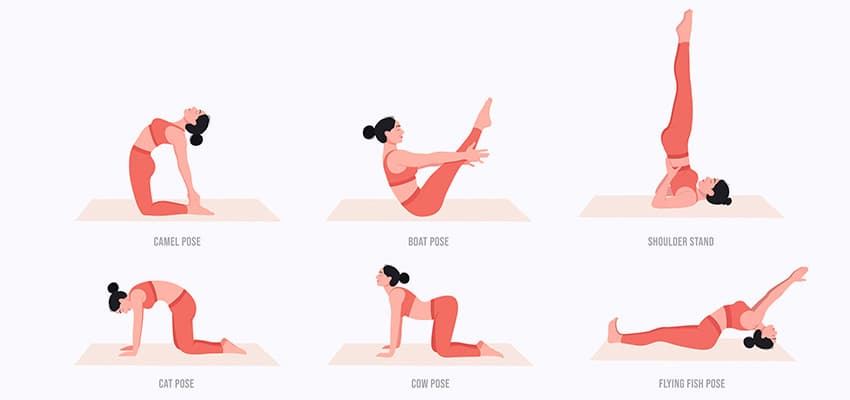
A 42-year-old woman with primary hypothyroidism who continued levothyroxine while taking part in a structured yoga program showed marked improvement in thyroid function and symptoms, according to a recent case report. The report cites a fall in thyroid-stimulating hormone (TSH) from 9.39 to 2.66 mIU/L; it also records a change in free T4 listed as 12.57 to 8.98 pmol/L while characterizing that change as an increase, a discrepancy that the authors flag for verification. The patient practiced a mix of classical techniques including surya namaskara, brahmamudra, and pranayama such as bhramari and ujjayi.
This vignette sits at the top of a growing, if heterogeneous, body of small trials and case reports that link systematic yoga practice with improvements in thyroid markers, quality of life, stress, and metabolic measures. A telehealth trial using a “scientific yoga module” reported that “the yoga intervention group demonstrated significantly greater improvement than the waitlist control group across both primary and secondary measures after the intervention (P<.001).” That trial reported high participant satisfaction, regularity and ease of practice (64/67, 95%), efficacy of the module (64/67, 95%), and construct satisfaction (63/67, 94%), and was approved under Institutional Ethics Committee RES/IEC‑SVYASA/222/2022 and registered as CTRI/2022/03/041047. Other reports vary widely: a Hashimoto’s case documented large percentage drops in TSH (−67.29%) and improvements in mood and sleep after six months of combined medical care and yoga, while a 50-woman study reported rises in T3 and T4 with mixed changes in TSH after 24 weeks of regular practice.
Readers in the yoga community should note two consistent themes across these reports. First, structured modules delivered with clear instruction, whether in-person or by telehealth, tend to produce better adherence and fewer early musculoskeletal complaints. The JMIR trial emphasized moderate intensity, safe movements and reported only transient muscular pain in a few participants. Second, case reports and small nonrandomized studies cannot isolate yoga’s independent effect when medication is continued. The supplied literature explicitly cautions that case reports “cannot quantify the contribution of yoga therapy alone” and calls for randomized controlled trials that account for medication adjustments.

Practical takeaway for practitioners and students: yoga practices that combine asana, pranayama and relaxation may support well-being in people with thyroid disorders, but they should be integrated with medical care. Verify levothyroxine dosing and lab monitoring with your clinician before changing any treatment. For teachers and studio directors, the telehealth trial’s high satisfaction and ethics registration suggest structured, moderated modules can scale safely and attract committed participation.
What comes next is clearer study design: larger randomized trials with standardized hormone assays and transparent timelines are needed to confirm whether the hormone shifts reported in individual cases translate to reproducible clinical benefit. Until then, consider yoga a promising partner to endocrine care, helpful for stress, mobility and quality of life, while measurement and medical oversight remain essential.
Know something we missed? Have a correction or additional information?
Submit a Tip