Study Finds Cocaine, Caffeine and Painkillers in Bahamas Sharks
One-third of sharks tested near a remote Bahamas island carried cocaine, caffeine or painkillers, tracing a drug contamination trail to tourists and undertreated wastewater.
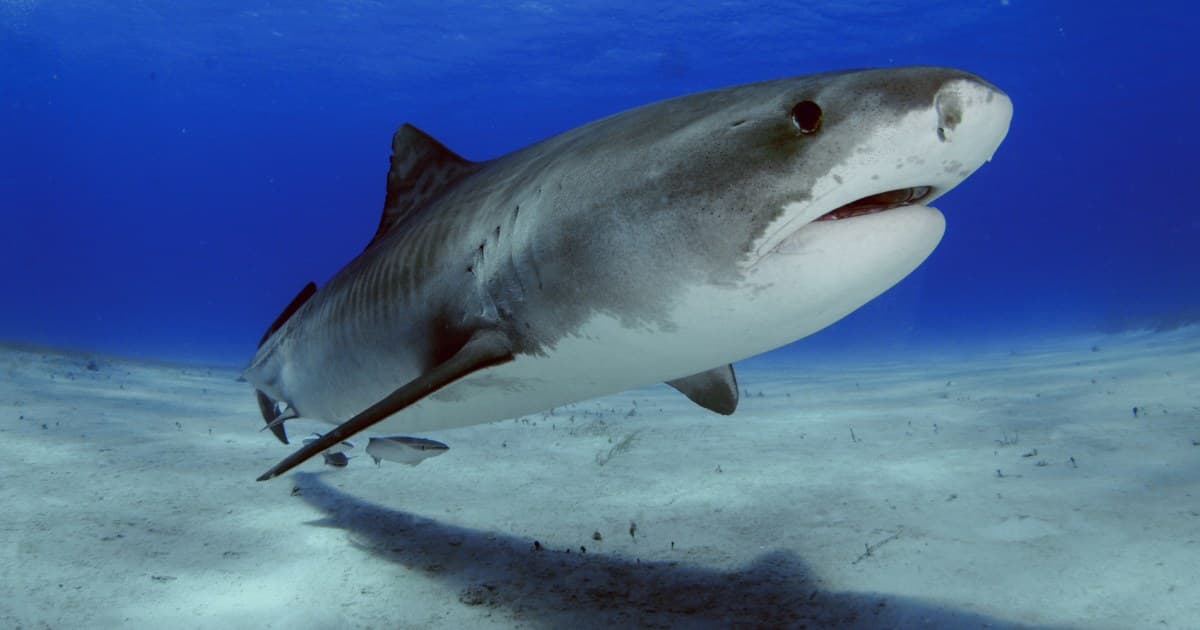
The water around Eleuthera Island in The Bahamas is routinely marketed as pristine. The blood of its sharks tells a different story.
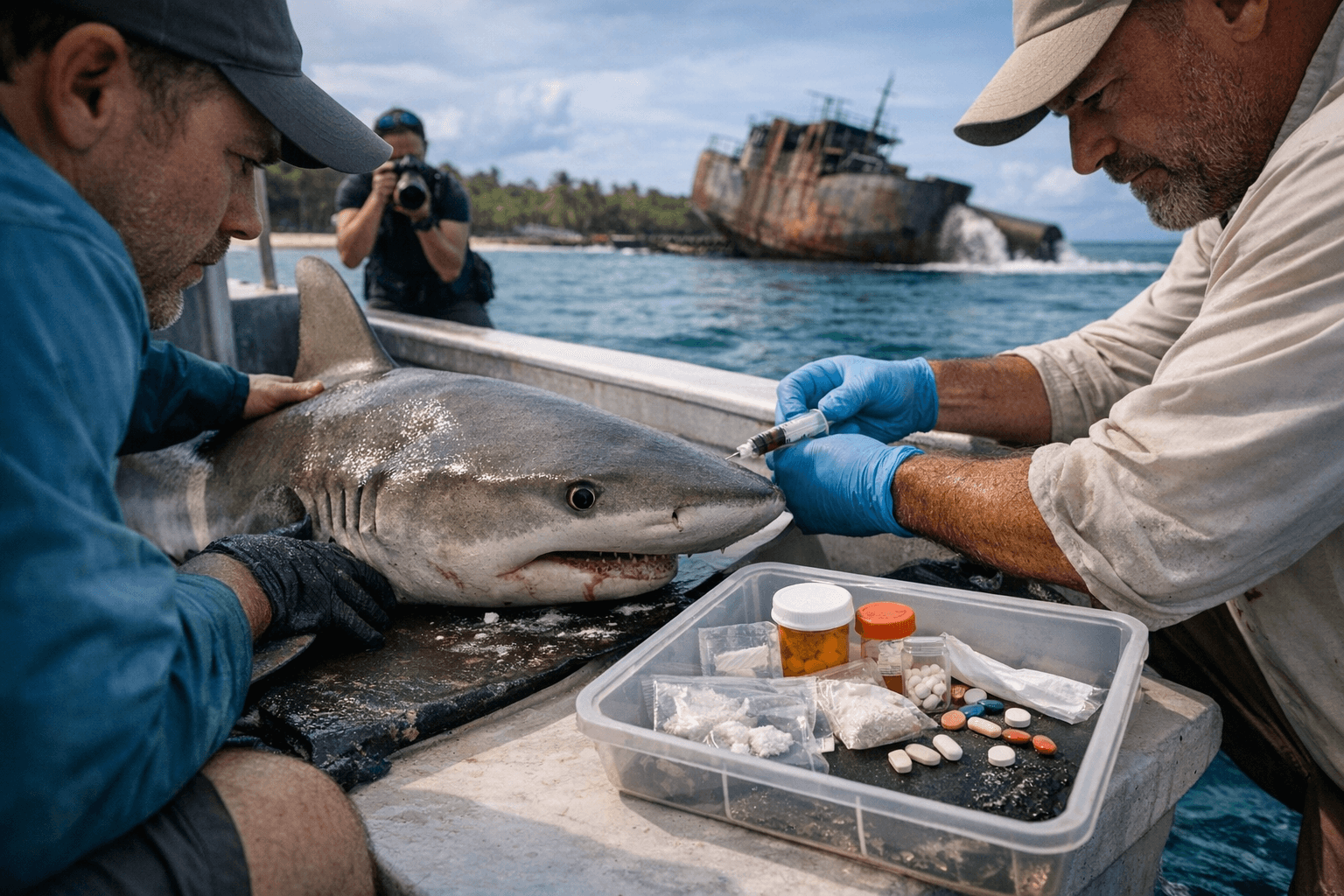
A study published in the journal Environmental Pollution found that 28 of 85 sharks captured roughly four miles off Eleuthera's coast tested positive for at least one human-introduced substance, including cocaine, caffeine, acetaminophen, and the anti-inflammatory diclofenac. Led by Natascha Wosnick, a zoologist and associate professor at Brazil's Federal University of Paraná, the study, titled "Drugs in Paradise," is the first to detect caffeine and acetaminophen in any shark species worldwide, and the first to report cocaine and diclofenac in Bahamian sharks.
The researchers deliberately chose blood over tissue samples, distinguishing this work from prior studies including Wosnick's own 2024 research on Brazilian sharks, which used liver and muscle. Blood reflects recent exposure rather than accumulated deposits, meaning the drugs detected had arrived in these sharks' systems not years ago, but recently, and likely repeatedly.
The contamination pathway runs directly through tourism. The capture sites sit near a defunct fish farm that draws divers and cruise passengers, and the Bahamas Ministry of Tourism reported 12.5 million visitors in 2025. "It's mostly because people are going there, peeing in the water and dumping their sewage in the water," Wosnick told Science News. Ocean currents from sewage outfalls along Eleuthera's coast could also transport pharmaceutical traces offshore, but the proximity to popular dive sites makes tourism-generated waste the leading suspect. Cruise ships, which can generate tens of thousands of gallons of treated wastewater per day, are permitted to discharge treated sewage in open water under maritime regulations, and standard treatment systems are not engineered to strip pharmaceuticals at the molecular level.
Cocaine presents a separate entry mechanism. Two sharks tested positive; one was a juvenile lemon shark found in a nursery creek, where Wosnick said she has personally seen what appear to be drug packages. "They bite things to investigate and end up exposed," she said. The maritime drug trade, which regularly loses cargo to Caribbean waters, creates a source of narcotics that no existing monitoring or disposal policy is designed to address.
The contaminated sharks showed altered levels of triglycerides, urea, and lactate, metabolic markers tied to stress and energy regulation. Tracy Fanara, an oceanographer at the University of Florida who was not involved in the study, identified this as the more consequential finding: "What makes this study notable is not just the detection of pharmaceuticals and cocaine in nearshore sharks, but the associated shifts in metabolic markers." Whether those shifts translate into lasting harm remains unconfirmed. Researchers have not yet tracked behavioral outcomes, and the study is candid about what it cannot yet prove.
Prior findings suggest the geographic scope of the problem is wider than previously understood. In Wosnick's 2024 Brazilian study, cocaine turned up in all 13 sharpnose sharks tested in waters near Rio de Janeiro, attributed by researcher Rachel Ann Hauser-Davis to sewage outfalls and urban cocaine use. That the same contamination class now appears off Eleuthera, an island with no comparable urban infrastructure, indicates the issue reaches well beyond industrial coastlines.
"These are legal substances, routinely consumed and often overlooked, yet their environmental footprint is clearly detectable," Wosnick said. "This underscores the need to critically reassess even our most normalized habits."
There is currently no systematic protocol for monitoring pharmaceutical contaminants in open-water shark populations. Fisheries managers and coastal tourism authorities in the Bahamas operate without baseline data, which means the next contamination finding, in these waters or elsewhere, will arrive just as unexpectedly as this one did.
This article was produced by Prism’s automated news system from verified source data, official records, and press releases, then run through automated quality and moderation checks before publishing. The system is built and supervised by the people who set the standards it runs under. Read our full AI policy.
Did this article answer your question?