Study finds India’s summer heat is stressing workers’ bodies silently
More than 22,000 health records showed summer heat quietly driving dehydration, electrolyte imbalance and kidney stress in healthy Indian adults.
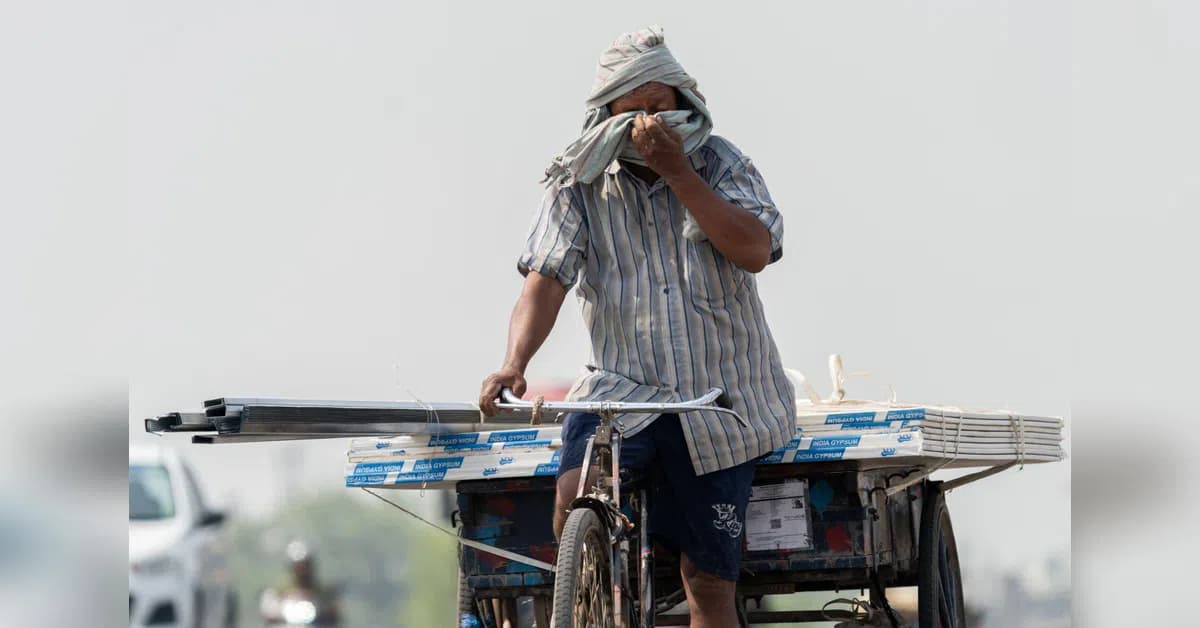
India’s brutal summer is leaving a quieter injury than heatstroke: workers may look fine while lab results already show dehydration, electrolyte imbalance and kidney stress. A new analysis of more than 22,000 health records found rising signs of physiological strain among healthy adults during peak summer months, underscoring how heat can erode the body long before a person collapses or misses a shift.
The finding matters because it captures the hidden toll of heat on labor. Dehydration can dull concentration and slow recovery. Electrolyte imbalance can weaken endurance and raise the risk of more serious illness. Kidney stress, if repeated year after year, can become a long-term health burden, especially for people who spend hours in the sun with limited cooling, rest breaks or access to water.
The scale of the risk is far beyond India. The World Health Organization and the World Meteorological Organization said in August 2025 that more than 2.4 billion workers are exposed to excessive heat globally, with heat contributing to more than 22.85 million occupational injuries each year. UN-linked estimates say productivity can fall by 2% to 3% for every degree above 20C, turning hot weather into a direct economic drag as well as a health threat.
India’s government has already started to respond. The Ministry of Labour and Employment issued a nationwide heatwave advisory to states and union territories on April 28, 2026, urging protective measures in labor-intensive sectors. The National Centre for Disease Control also warned that the country could see above-normal seasonal maximum temperatures this summer, reinforcing the need for heat action plans, shade, water and rest. The India Meteorological Department’s heatwave guidance page now includes daily impact-based warnings, monthly outlooks and districtwise heatwave alerts.
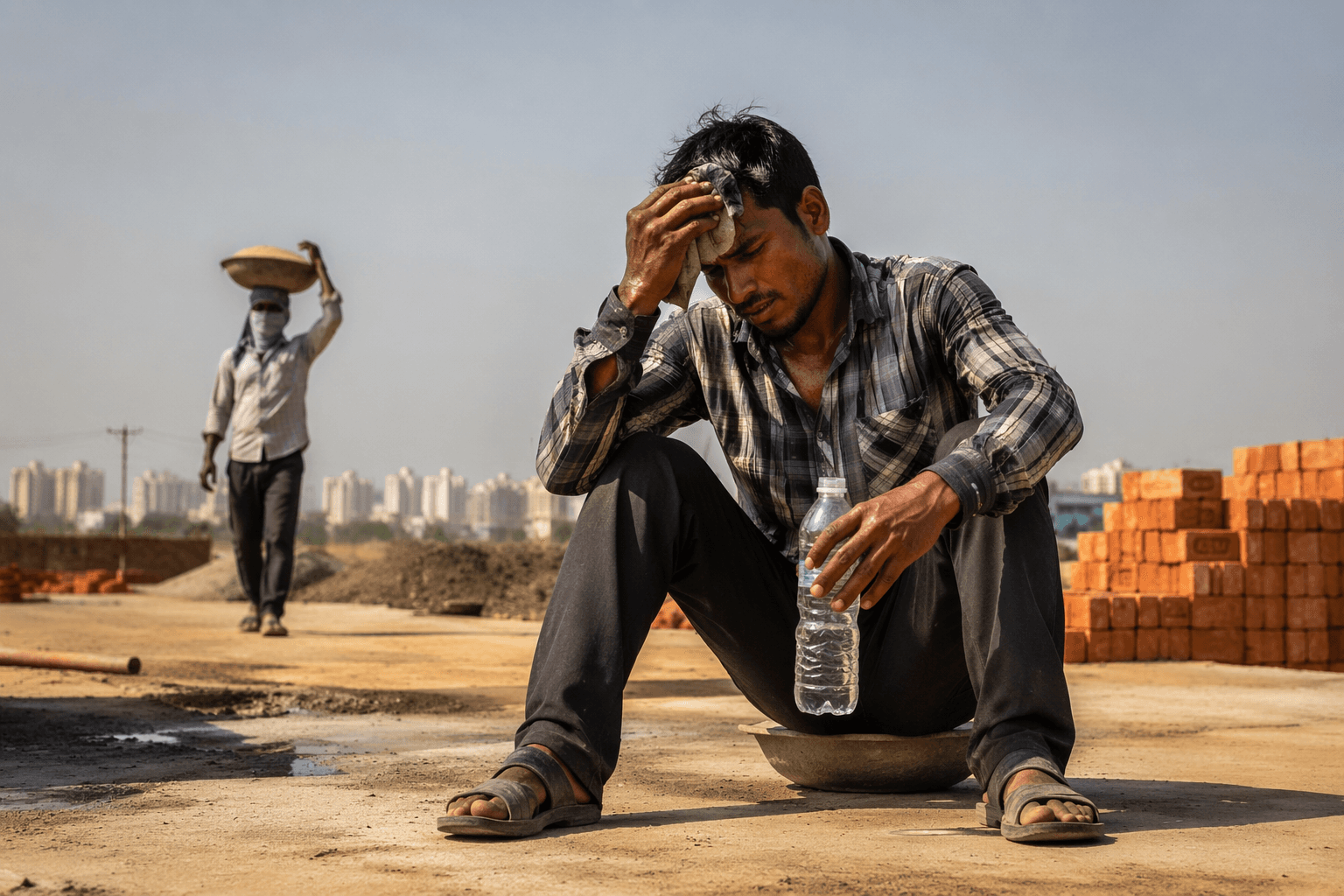
The broader scientific and policy backdrop points in the same direction. The International Labour Organization said in 2024 that heat stress is seriously affecting workers’ safety and health as daily temperatures rise and heatwaves become more frequent and severe. In India, earlier occupational studies have linked repeated heat exposure, dehydration and strenuous outdoor work with kidney dysfunction and chronic kidney disease, including in hotspot communities in Odisha, Andhra Pradesh and Tamil Nadu, as well as in places such as Uddanam, Bargarh district and Banda in Uttar Pradesh.
That makes the newest findings especially important: they suggest the damage is not only visible in emergencies, but also measurable in routine health checks. For employers, regulators and public-health planners, the blind spot is costly. The next productivity loss may begin not with a collapse, but with a blood test that shows the body is already struggling to cope.
This article was produced by Prism’s automated news system from verified source data, official records, and press releases, then run through automated quality and moderation checks before publishing. The system is built and supervised by the people who set the standards it runs under. Read our full AI policy.
Know something we missed? Have a correction or additional information?
Submit a Tip