Study links too little or too much sleep to faster organ aging
Too little and too much sleep were linked to faster biological aging across 17 organs, but the study did not prove that sleep caused the changes.

Sleep appears to matter far beyond how rested a person feels in the morning. In a study published May 13 in Nature, researchers found that both short sleep and long sleep were associated with faster biological aging across nearly every organ they measured, but the findings stopped at correlation and did not show that changing sleep alone would slow aging.
The work, led by Junhao Wen of Columbia University Irving Medical Center and Columbia University Vagelos College of Physicians and Surgeons, analyzed sleep data from about half a million participants in the UK Biobank, ages 37 to 84. Using 23 aging clocks across 17 organ systems, the team looked at signals drawn from imaging, plasma proteomics and metabolomics to estimate how far different organs had drifted from their biological age. The lowest age gaps showed up among people sleeping roughly 6.4 to 7.8 hours a night, though the sweet spot varied by organ and sex.
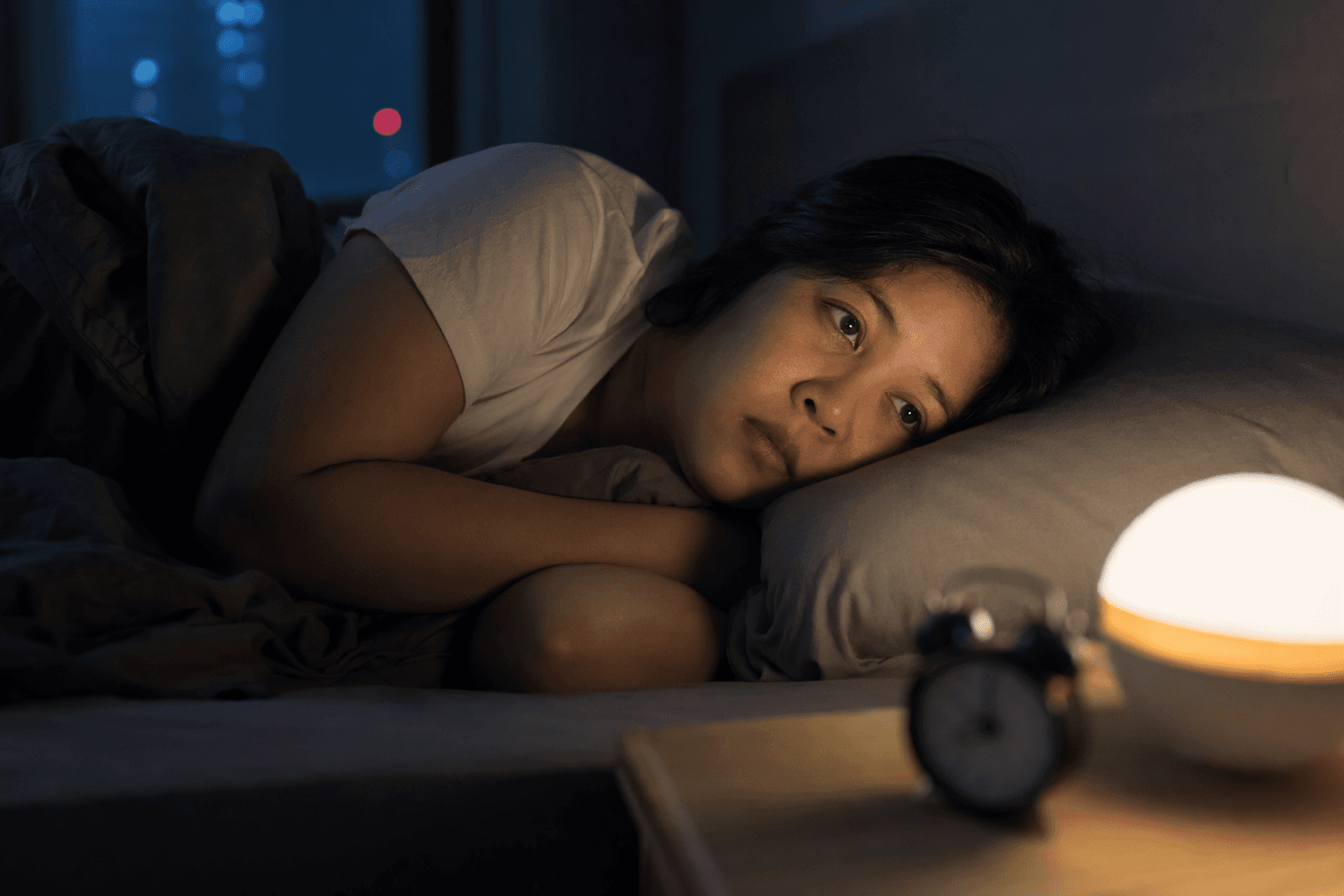
Wen said the pattern extended well beyond the usual talk about sleep and the brain. "Our study goes further and shows that too little and too much sleep are associated with faster aging in nearly every organ." That includes organs and systems tied to the heart, lungs, liver and immune function, which makes the finding more sweeping than standard headlines about sleep quality or daytime alertness.
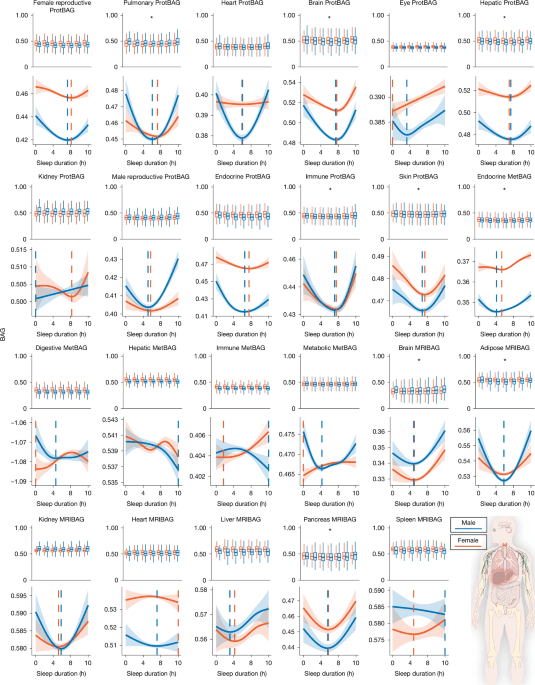
That wider reach is part of what makes the study notable, but it also makes the limitations important. The Columbia University release said the results were not proof of causation. In other words, the data do not show that sleeping less or more than the middle range directly makes organs age faster. The pattern could also reflect underlying health problems that disrupt sleep, such as depression, obesity, type 2 diabetes or heart disease.

Even so, the study adds weight to long-standing sleep guidance. The Centers for Disease Control and Prevention says adults need at least 7 hours of sleep each day. The American Academy of Sleep Medicine and the Sleep Research Society recommend 7 or more hours per night on a regular basis for optimal health. The new findings do not demand a perfect nightly target, but they do suggest that consistently landing far below or far above the usual adult range may carry biological costs that accumulate over time.
This article was produced by Prism’s automated news system from verified source data, official records, and press releases, then run through automated quality and moderation checks before publishing. The system is built and supervised by the people who set the standards it runs under. Read our full AI policy.
Did this article answer your question?