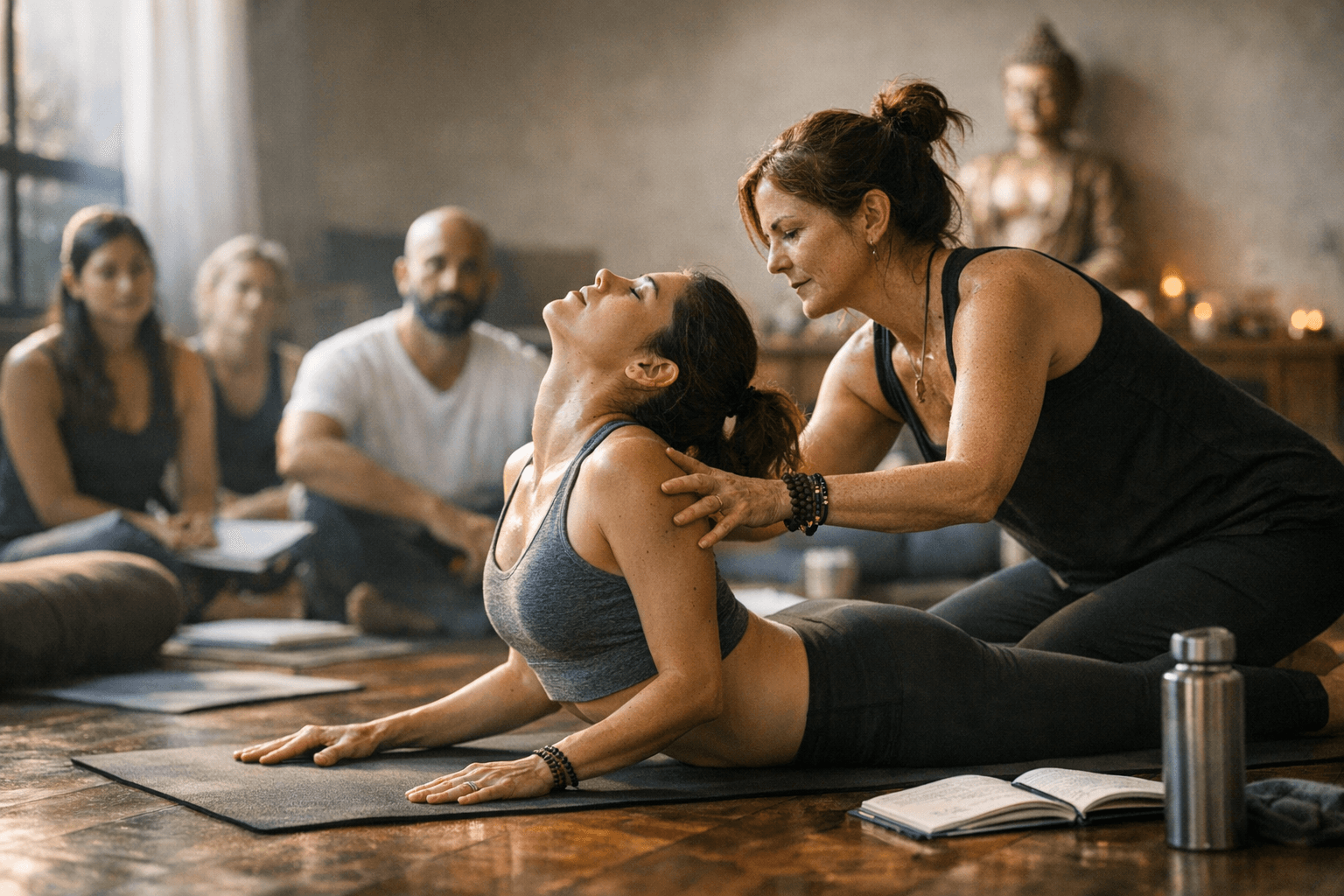
Study maps neuromuscular control differences in expert versus novice female yoga practitioners
A Frontiers in Psychology paper (2026) compared neuromuscular control in matched groups of experienced and novice female yoga practitioners during complex twisting poses.
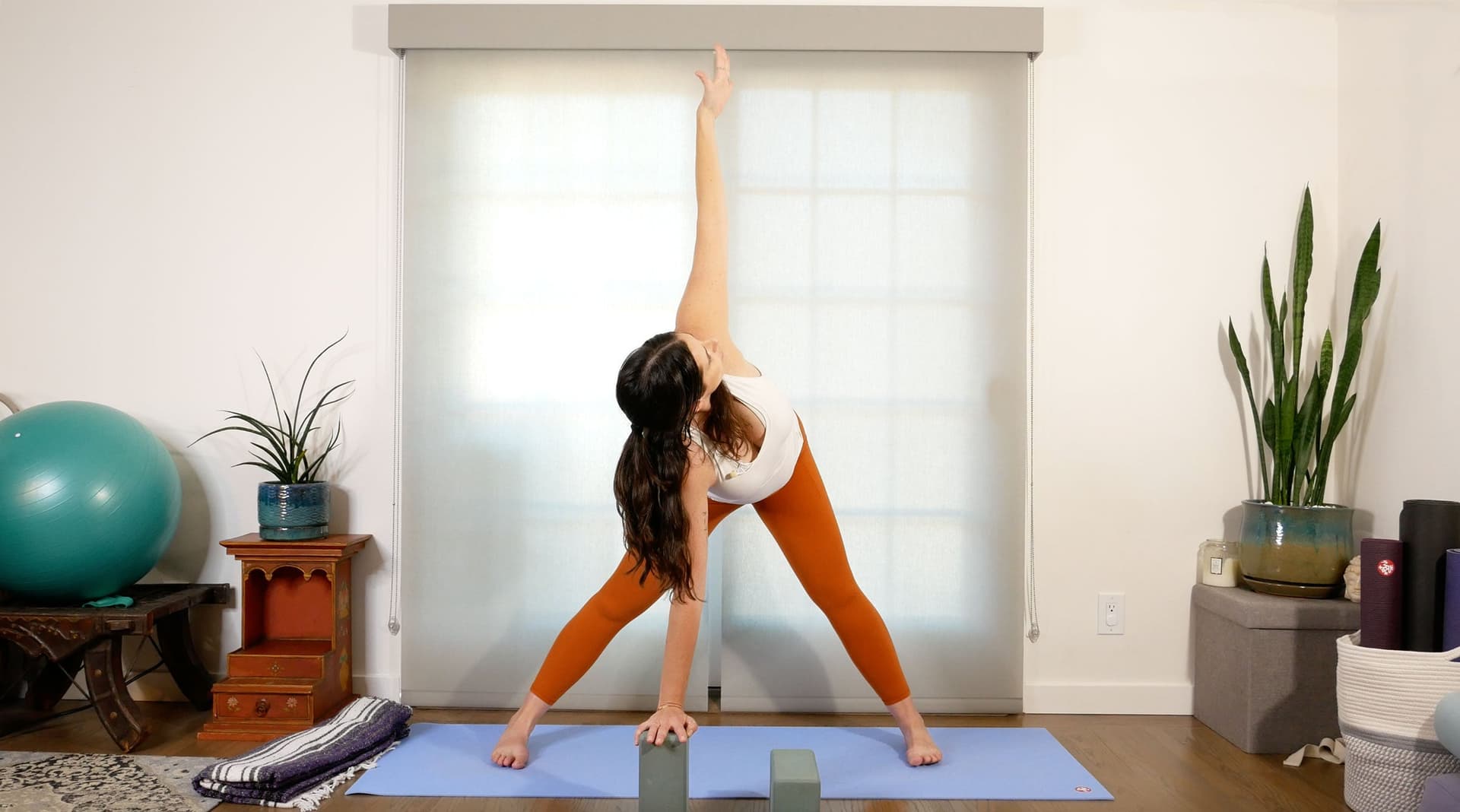
A peer-reviewed research article published in Frontiers in Psychology in 2026 compared neuromuscular control strategies in expert versus novice female yoga practitioners during complex twisting poses, recruiting matched groups of experienced and novice female practitioners. The summary supplied with the study identifies the journal, year, task type and that participants were female and matched by group, but it does not include the authors' names or institutions.
The short description in the materials notes only that "complex twisting poses" were the task and that groups were matched; key methodological details are missing from the provided text. The summary fragment and the PubMed hint read "Methods: [...] Atypon full text link," but do not state sample size, age ranges, how "experienced" and "novice" were defined, which muscles were monitored, whether EMG or motion capture was used, or any numerical results or p values.
Context from related literature included in the source bundle stresses why a study like this matters to teachers and therapists. A Frontiersin fragment summarizes that inter-limb asymmetry is task-specific and that "males and females differ in pelvic structure, hip-knee control patterns, hormone levels, flexibility, and injury mechanisms" with citations to Mendiguchia et al., 2011; Hunter, 2014; and Hunter and Senefeld, 2024. The same fragment defines inter-limb difference as "differences between the left and right limbs of the body in terms of function, strength, and athletic performance, also known as asymmetry" and cites Bishop et al., 2023 and Bishop et al., 2018.
Mechanistic work cited in the notes highlights neuromuscular co-contraction as a stability factor. A Nature-fragment in the bundle notes that "An increased electromyographic (EMG) activity of the quadriceps compared to that of the hamstrings has been reported during one-legged landing in healthy athletes" and that this imbalance "results in an anterior translation of the tibia relative to the femur and increases ACL strain," stressing that "a balanced co-contraction of the quadriceps and hamstrings prior to one-leg landing is crucial." The bibliographic fragments include Swanik et al., 2004, Lacroix, 1981, and Dyhre-Poulsen et al., 1991 among referenced studies.

The source set also contains a separate prospective cross-sectional study titled "Differences in neuromuscular control and quadriceps morphology between potential copers and noncopers following anterior cruciate ligament injury." That ACL paper's objective is explicit: "To compare knee muscle morphology and voluntary neuromuscular control in individuals who sustained an anterior cruciate ligament (ACL) injury and were identified as being capable of avoiding surgery (potential copers) and those who were recommended for surgery (noncopers), within 6 months of injury." That study is distinct from the Frontiers yoga paper but provides clinical background on how neuromuscular patterns relate to joint stability.
The research notes show a PubMed/Atypon pointer for the Frontiers paper but do not supply the DOI, figures, statistical findings, or author quotes. The event date in the notes is February 20, 2026, and today's date in the materials is February 22, 2026. Access to the full Frontiers in Psychology article via the Atypon link referenced in the summary will be required to report sample sizes, exact pose names, EMG and kinematic protocols, and the numerical results that determine whether and how experience changes neuromuscular control during twisting yoga poses. Once those details are available, instructors and clinicians can judge whether the study's findings should influence cueing, sequencing, or rehabilitation strategies for female practitioners.
Know something we missed? Have a correction or additional information?
Submit a Tip