Study warns 21.2% of flowering plant evolutionary history faces extinction risk
More than one-fifth of flowering plant evolutionary history is at risk, and 9,945 species now stand out as urgent conservation priorities.
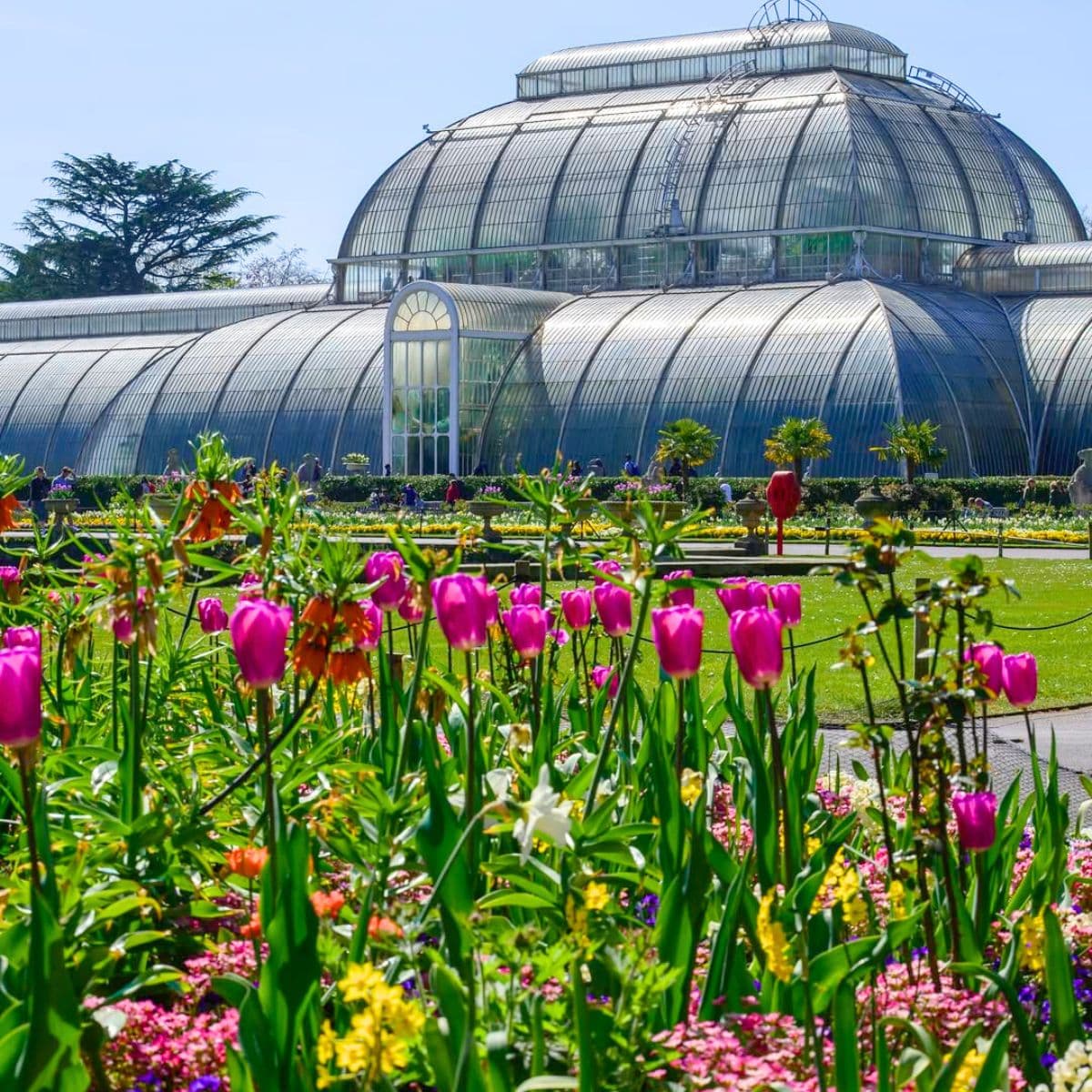
A new assessment has put a hard number on a quiet loss already building in the plant kingdom: 21.2% of angiosperm evolutionary history is vulnerable to extinction. That means the danger is not only that plant species will disappear, but that entire branches of the flowering tree of life could be cut away, taking with them traits that cannot be replaced once gone.
The Royal Botanic Gardens, Kew, and the Zoological Society of London said the finding comes from the largest species-prioritization exercise ever done in conservation biology. Researchers evaluated more than 335,000 flowering plant species using molecular data and the IUCN Red List, then applied a conservation metric known as EDGE, short for Evolutionarily Distinct and Globally Endangered, to identify plants whose loss would erase the greatest amount of unique evolutionary history. The analysis identified 9,945 EDGE species, about 3% of all known flowering plants, as especially urgent priorities.
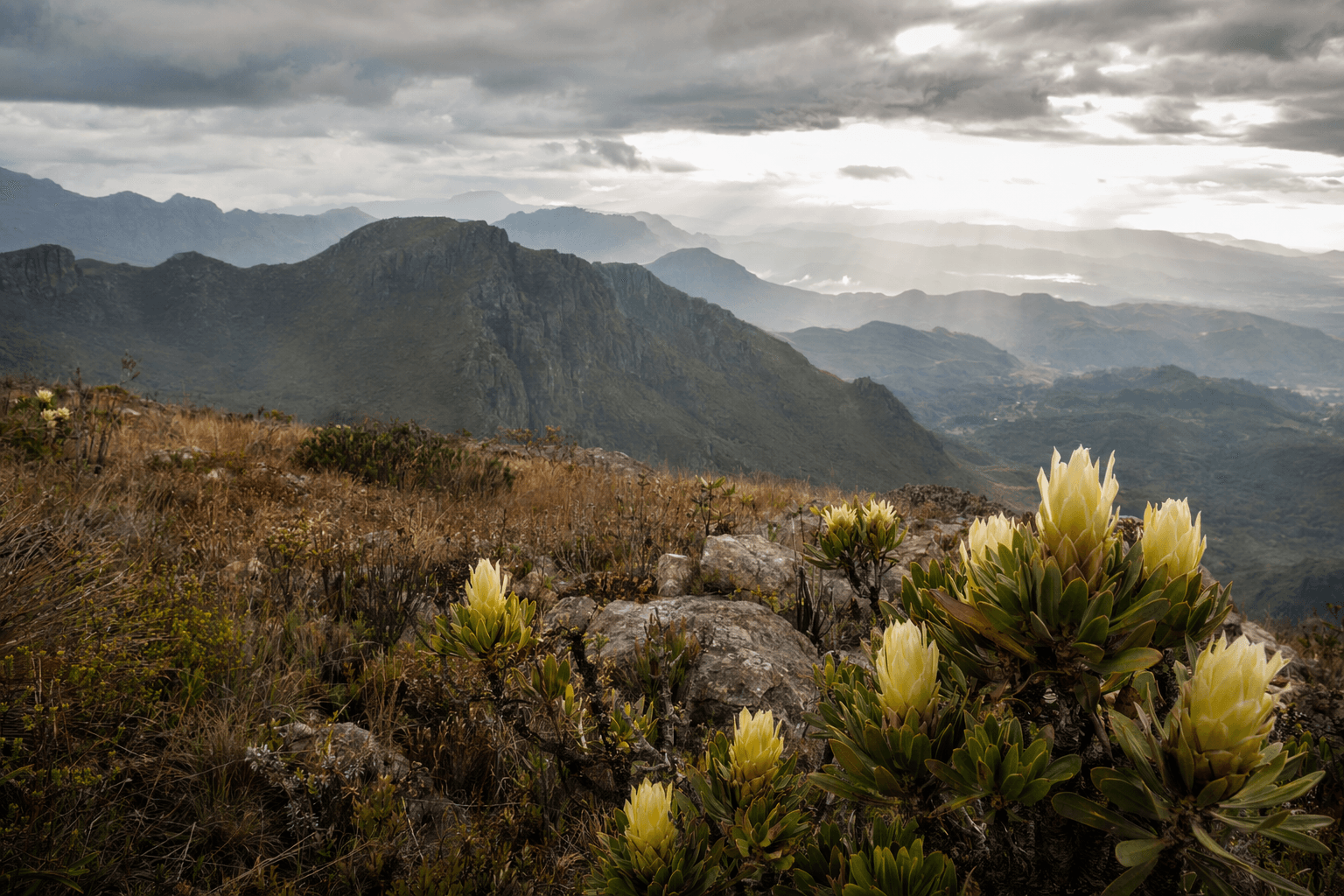
The study’s value lies in what it measures. Instead of counting endangered plants one by one, it asks how much of the tree of life would vanish if certain lineages failed. That matters for food systems, medicines and ecosystem resilience because ancient, genetically distinct plants can carry traits that support future crop breeding, pharmaceutical research and habitat stability. Once a deep branch disappears, so do the options it may have held for adaptation.
Among the species used to illustrate that loss is Amborella trichopoda, an ancient shrub lineage that split from other flowering plants around 130 million years ago. The broader point is that extinction risk is not evenly spread across the plant kingdom. It is concentrated in lineages that are both highly threatened and evolutionarily singular, making them far more irreplaceable than their numbers alone suggest.
The researchers said the new framework gives conservation groups and policymakers a sharper way to decide where protection, restoration and funding can do the most good. By ranking plants on both extinction risk and genetic distinctiveness, the assessment identifies which losses would do the most damage to the living record of plant evolution, and which interventions could preserve the greatest share of that history before it is gone for good.
This article was produced by Prism’s automated news system from verified source data, official records, and press releases, then run through automated quality and moderation checks before publishing. The system is built and supervised by the people who set the standards it runs under. Read our full AI policy.
Did this article answer your question?


