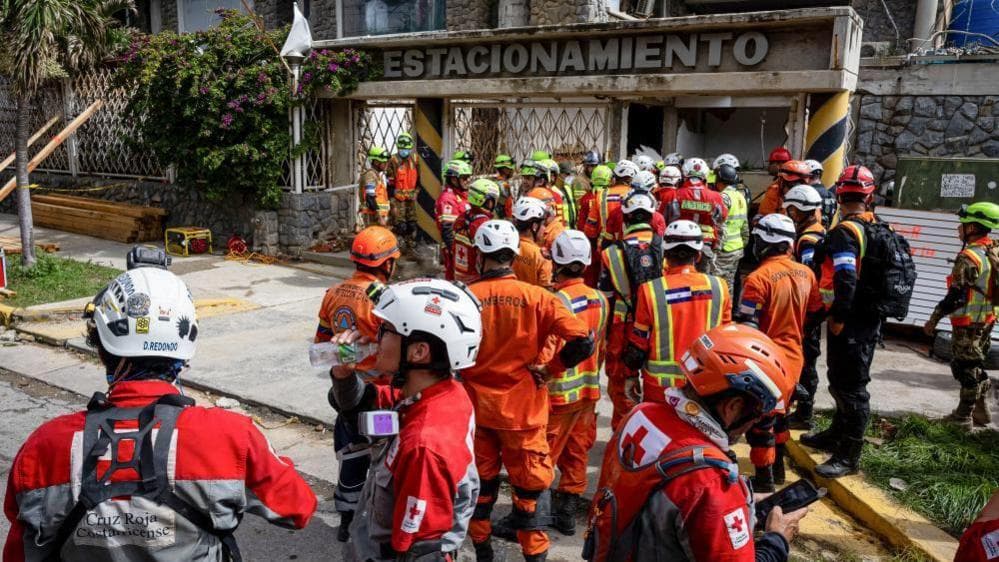
Sudan war drives world's largest displacement crisis, millions face famine
Sudan’s war displaced more than 12.3 million people and pushed 21.2 million toward acute hunger, while aid shortfalls cut life-saving services in Egypt.
Sudan’s war left behind the world’s largest internal displacement crisis and a famine threat that widened as international attention thinned. The fighting between the Sudanese Armed Forces and the Rapid Support Forces, which erupted on April 15, 2023, drove more than 9 million people from their homes inside Sudan and pushed the country into an emergency that aid officials said demanded far more than the world delivered.
By December 2024, the United Nations High Commissioner for Refugees said more than 12.3 million people had been forcibly displaced since the conflict began. That total included 8.8 million internally displaced people, 2.6 million refugees and asylum-seekers, and about 700,000 returnees. Neighboring countries absorbed the strain as families fled into Chad, Egypt, Ethiopia, Libya, South Sudan, Uganda and the Central African Republic, with women and children making up most new arrivals.
The human cost deepened in 2025, when more than 30 million people in Sudan needed humanitarian assistance. In February, the United Nations launched a $6 billion appeal for Sudan, the biggest ever for the country, aimed at reaching nearly 21 million people inside Sudan and up to 5 million more refugees in surrounding states. The scale of the appeal underscored the gap between need and capacity, especially as donors faced pressure from multiple global crises at once.
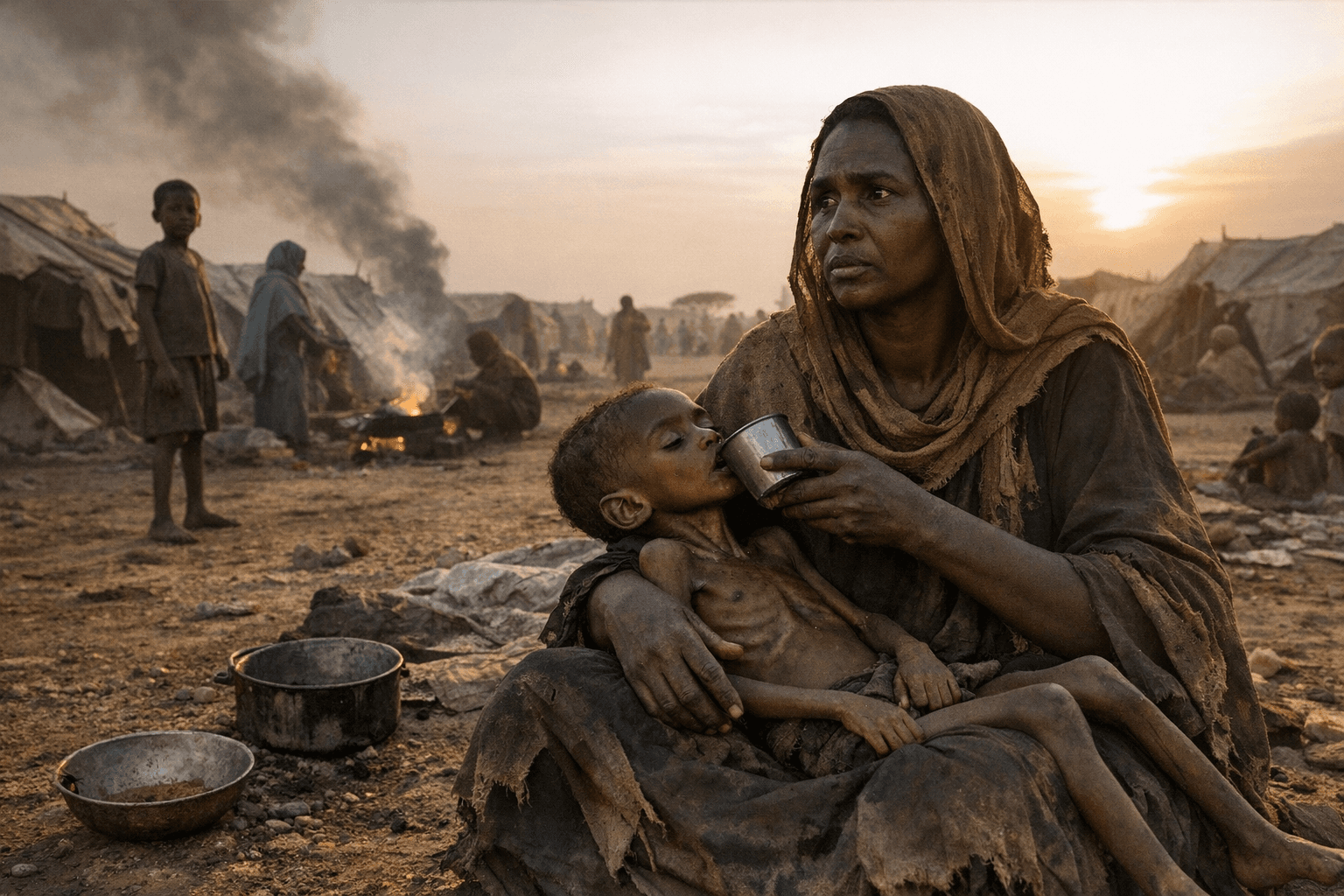
Hunger became one of the war’s clearest measures of neglect. In September 2025, the Integrated Food Security Phase Classification estimated that 21.2 million people, or 45 percent of Sudan’s population, faced high levels of acute food insecurity. The same assessment said 375,000 people were in famine-like conditions, and it confirmed famine in El Fasher in North Darfur and Kadugli in South Kordofan. Those figures showed how military stalemate translated directly into civilian starvation.
The regional fallout also exposed what happens when a crisis fails to break through in Washington, European capitals and beyond. The United Nations High Commissioner for Refugees said funding shortfalls forced the suspension of some life-saving services for Sudanese refugees in Egypt. The United Nations Office for the Coordination of Humanitarian Affairs said reports indicated a two-fold increase in gender-based violence since the conflict began, with many cases going unreported because of fear and stigma. On April 10, 2025, the European Union and UNHCR held an online event on the war’s regional impact, a sign that diplomacy was still trying to catch up with a catastrophe that had already spread across borders.
This article was produced by Prism’s automated news system from verified source data, official records, and press releases, then run through automated quality and moderation checks before publishing. The system is built and supervised by the people who set the standards it runs under. Read our full AI policy.
Did this article answer your question?