U.S.-Iran negotiations resume push as blockade of Iranian ports continues
U.S. ships blocked Iranian ports as oil prices climbed and Pakistan raced to revive talks before the April 22 ceasefire expires.
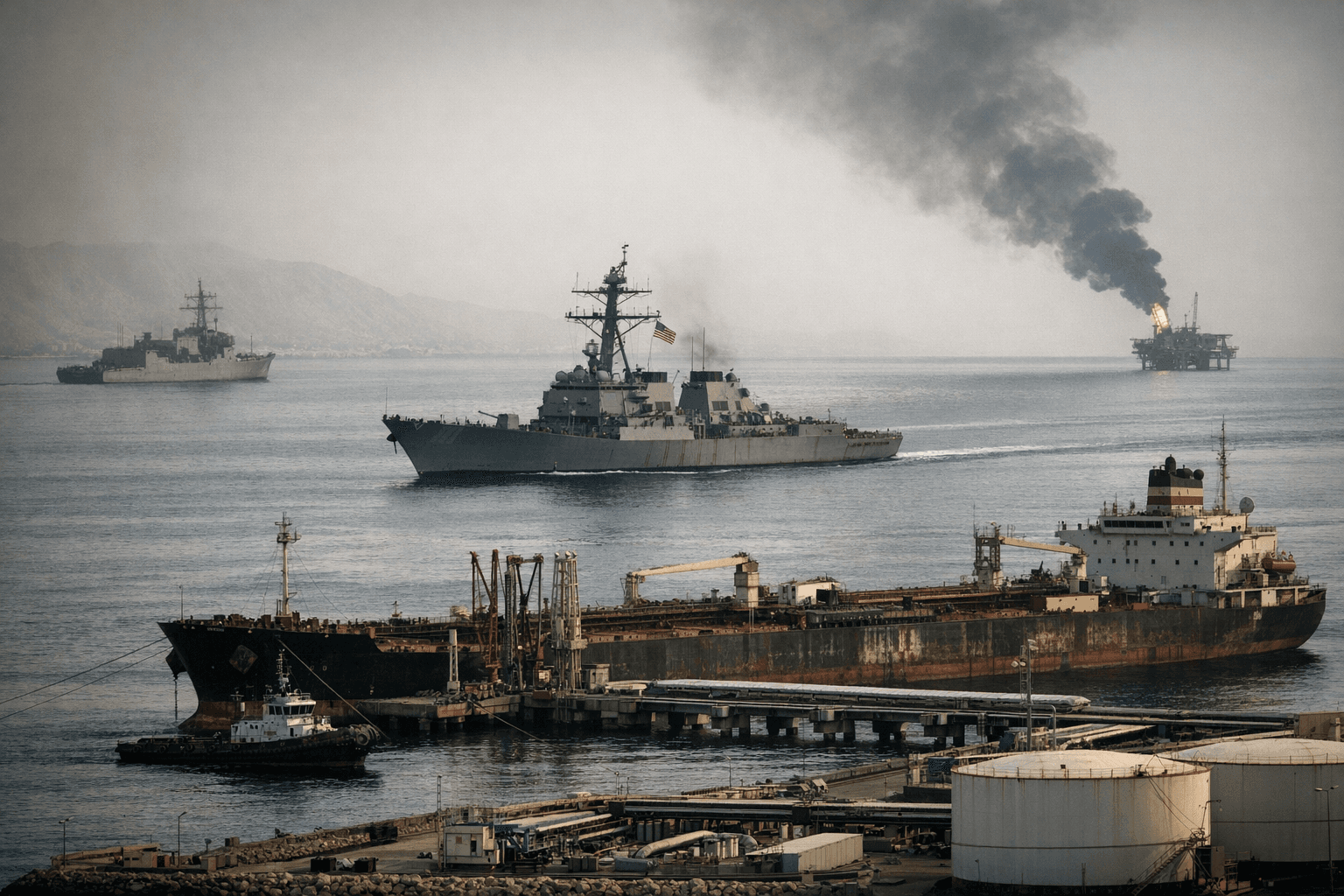
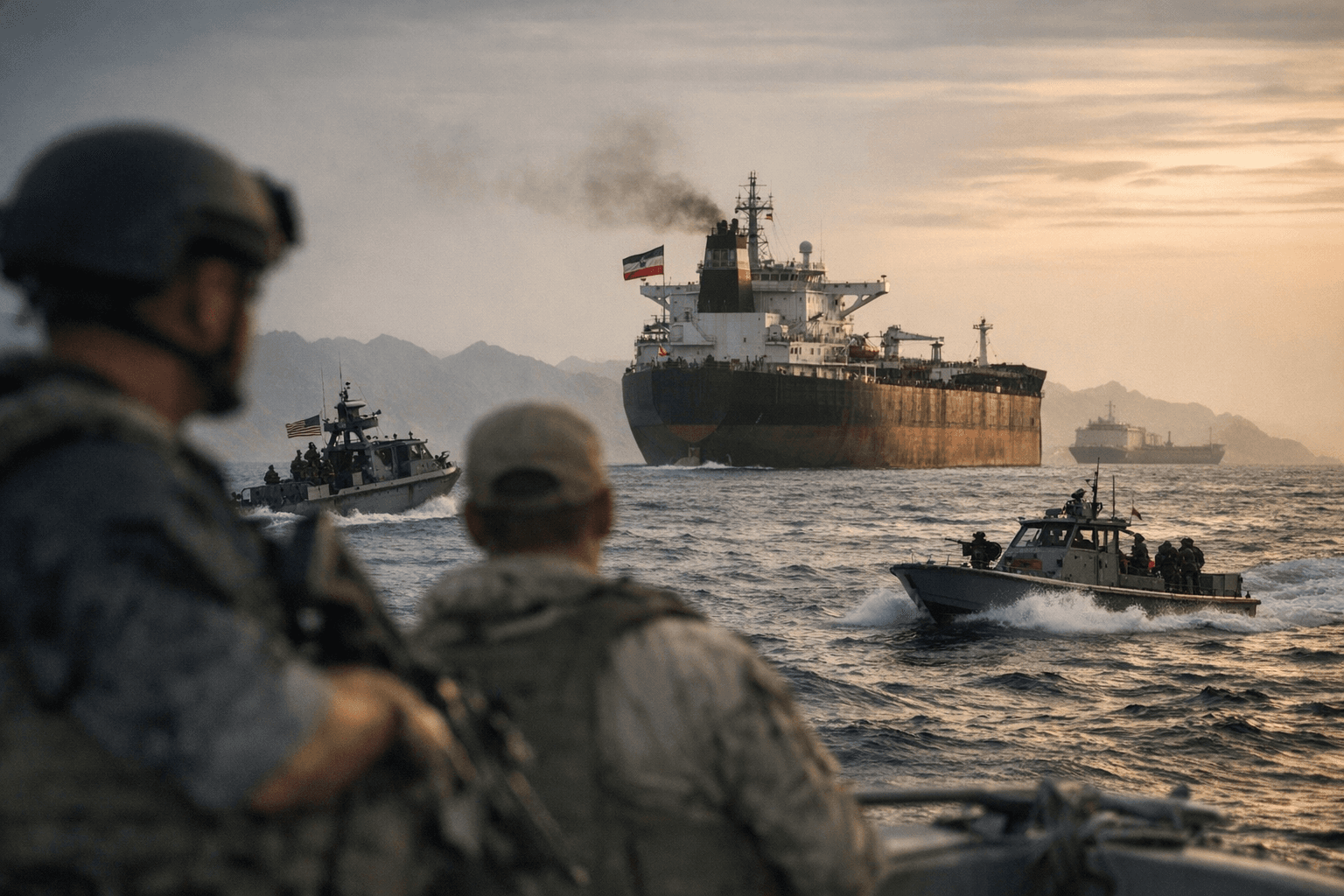
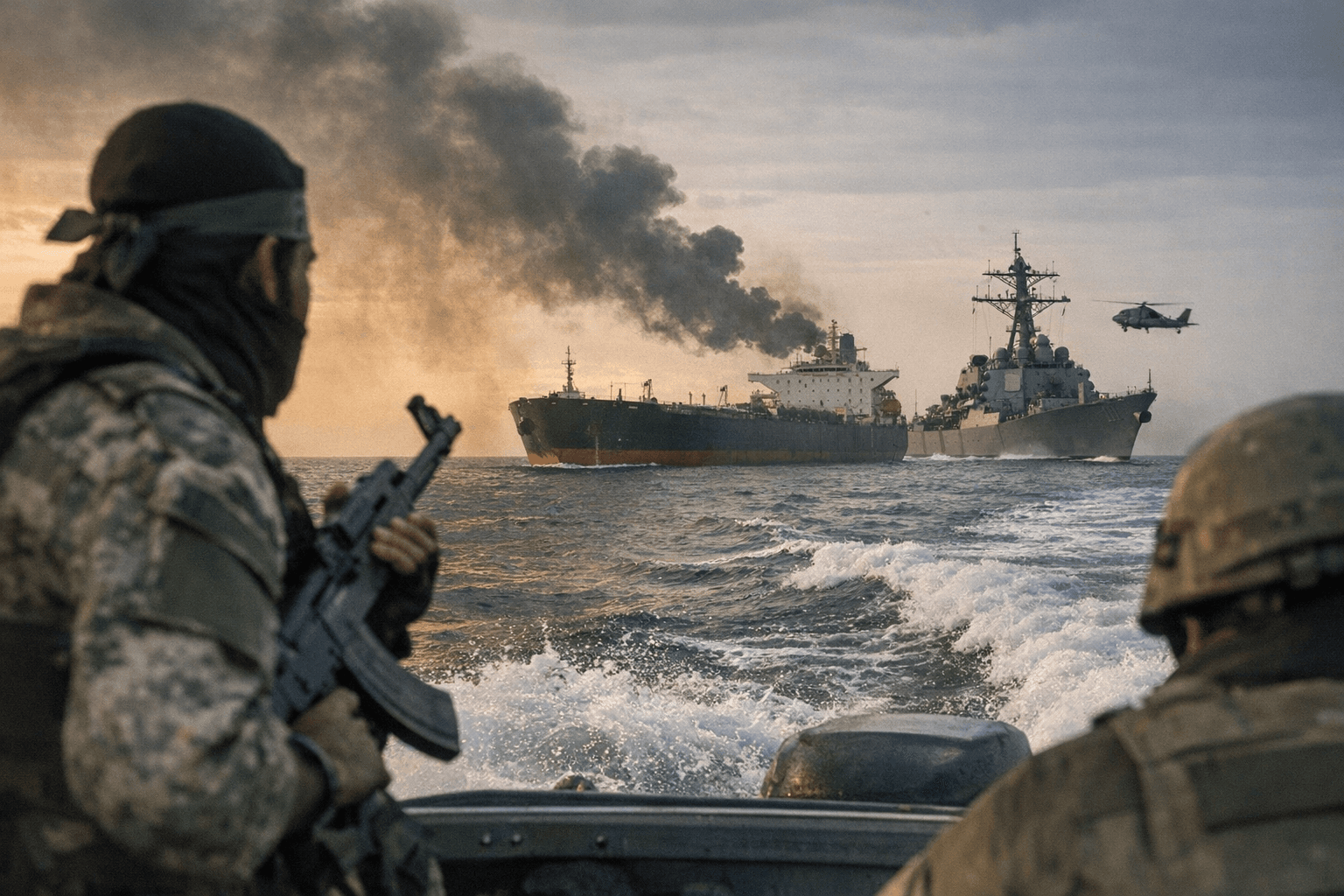
The blockade of Iran’s ports began as a pressure tactic, but it also narrowed the room for error. U.S. Central Command said the move, which started Monday at 10 a.m. ET, would stop ships from entering or leaving Iranian ports while still allowing traffic to and from non-Iranian ports through the Strait of Hormuz, the chokepoint for oil, fertilizer and other vital goods.
The immediate leverage was obvious. U.S. crude and Brent both moved higher after the announcement, underscoring how quickly a diplomatic gambit can spill into the global economy. Iranian officials called the blockade illegal and warned they could retaliate against ports in other Gulf states if traffic to and from Iran was impeded. That threat turns a shipping restriction into a regional risk, especially in waters where a mistake, a misread radar return or a single strike could widen the conflict fast.
The push back to negotiations is now running against a hard clock. Weekend peace talks in Islamabad ended without an agreement after Iran rejected U.S. demands that it make an affirmative commitment not to seek a nuclear weapon, according to Vice President JD Vance. Tehran said the two sides had reached understandings on some issues but not a final deal. The current ceasefire, a two-week truce, is set to run until April 22, and Pakistan, which hosted the failed talks, is still trying to bring the United States and Iran back to the table before that deadline expires.
Any durable off-ramp would require both sides to give up something concrete. Iran would need to accept a clear nuclear pledge, while the United States would need to decide whether the blockade remains a tool for leverage or becomes an obstacle that hardens positions and delays diplomacy. President Donald Trump said Iranian officials have contacted the U.S. and want to make a deal, a sign that channels remain open even as the military and economic pressure intensifies.
The same tension between coercion and diplomacy is playing out elsewhere in the region. Lebanese and Israeli officials are set for rare direct talks in Washington on April 14, 2026, the first such high-level diplomatic contacts since 1993, with Secretary of State Marco Rubio mediating. The delegations are expected to include Lebanese Ambassador to Washington Nada Hamadeh-Moawad, Israeli Ambassador to Washington Yechiel Leiter and U.S. Ambassador to Lebanon Michel Issa. Israel wants Hezbollah disarmed and removed from Lebanon, while Hezbollah leader Naim Qassem has called the talks futile and urged Beirut to scrap them. With Israeli strikes and ground operations in Lebanon reported to have killed more than 2,000 people and displaced more than one million since March 2, the risk is the same as in the Gulf: pressure can force the issue, but it can just as easily close the door before diplomacy gets there.
Know something we missed? Have a correction or additional information?
Submit a Tip