Sudanese commander seen executing civilians returns to battlefield, Reuters says
A commander tied to execution videos in El Fasher is back in combat, underscoring how little accountability has taken hold in Sudan’s war.

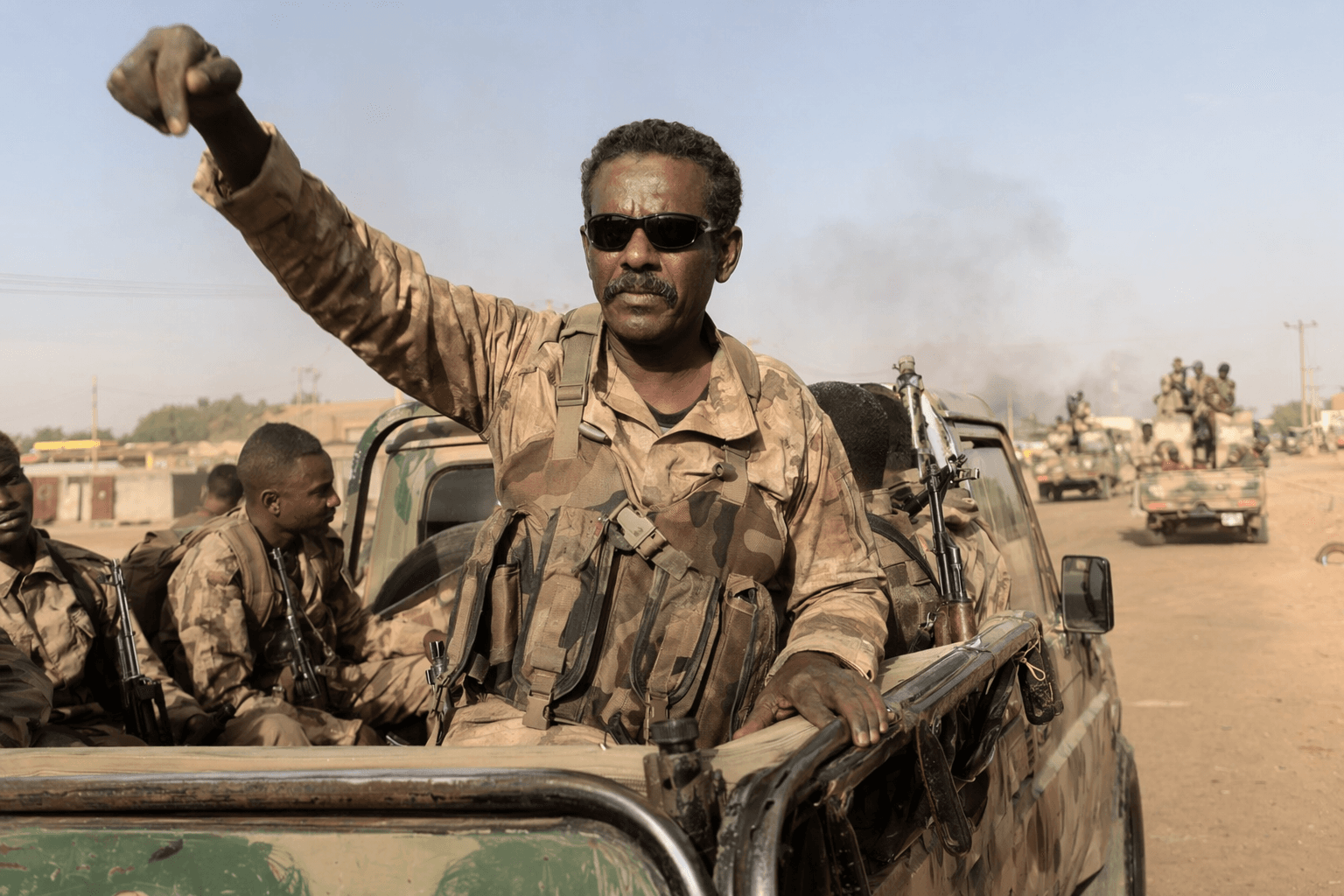
A paramilitary commander linked to videos of unarmed people being executed in El Fasher has returned to the battlefield, a stark sign that detention has not produced lasting accountability in Sudan’s war. Nine sources said the fighter, known as Abu Lulu and also identified as Al-Fatih Abdullah Idris, had been released from prison and was again active in combat. Two of those sources said they had seen him fighting around El Fasher.
The case cuts to the center of the collapse in Sudan’s justice system. The videos that drove outrage last year showed a fighter executing unarmed civilians in the western city, which had been under a prolonged siege before the Rapid Support Forces seized it on October 26, 2025. In the aftermath, RSF-affiliated platforms showed Abu Lulu in handcuffs being taken to Shala prison in El Fasher, before he was placed in a cell. His reported return to the front line suggests that even highly visible accusations, widely shared online and tied to public arrest, can evaporate once battlefield power shifts.
That matters far beyond one commander. The United Nations Human Rights Office said on February 13, 2026, that the RSF unleashed “a wave of intense violence” in its final offensive to capture El Fasher, violence it described as “shocking in its scale and brutality” and amounting to war crimes and possible crimes against humanity. The office’s warning made clear that the offensive was not only a military victory but a period of widespread abuse, and the reappearance of a commander accused of executing civilians raises fresh fears that alleged atrocity actors remain shielded by the armed forces they serve.
The RSF said in October 2025 that it had arrested fighters accused of abuses during the capture of El Fasher, while the UN called for an investigation into “horrendous” atrocities. Abu Lulu’s return now exposes the weakness of those responses. For civilians in Darfur, it signals that the distance between detention and impunity can be very short. For investigators, it also means witnesses, video evidence and survivor testimony face a harder road to preservation as commanders accused of abuses move back and forth between prison and the battlefield. In a war already marked by ethnic violence and mass displacement, the ability of a man accused of summary executions to resume fighting is not a side story. It is a measure of how fragile justice remains in Sudan.
Know something we missed? Have a correction or additional information?
Submit a Tip