Suicide Blast at Maiduguri Mosque Kills Five, Injures Thirty Five
A bomb exploded inside the Al-Adum mosque in Maiduguri during evening prayers on December 25, killing five worshippers and wounding about 35 others, police said. The blast, which authorities described as a likely suicide attack, underlines the persistent threat to civilians in northeastern Nigeria and raises fresh concerns about security during religious gatherings.
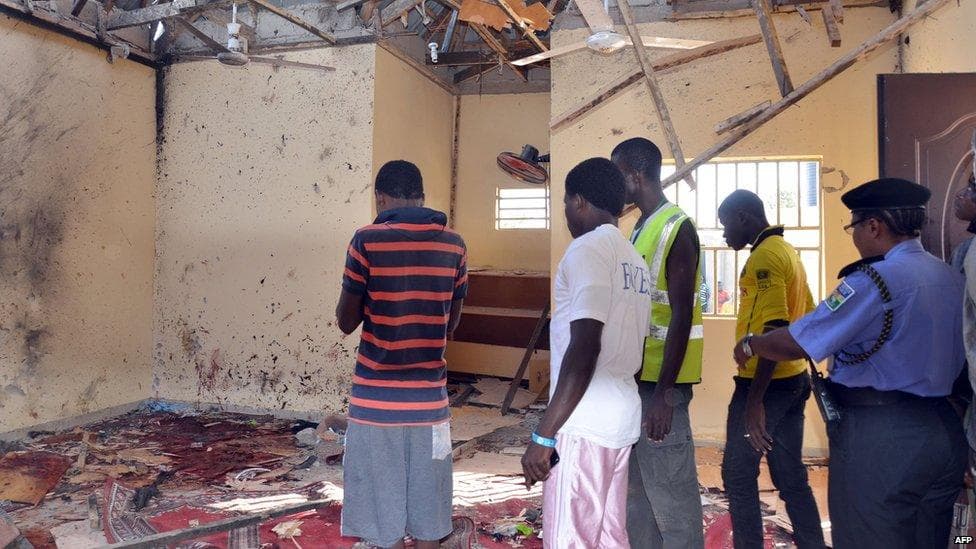
A bomb detonated inside the Al-Adum Jumaat mosque near Gamboru Market in Maiduguri on the evening of December 25, killing five people and injuring about 35 others as worshippers attended Maghrib prayers. The explosion occurred around 6 p.m. local time and sent terrified congregants fleeing into nearby streets, leaving shoes and debris scattered at the mosque entrance.
Borno state police said fragments recovered at the scene were consistent with a suicide vest, and investigators were collecting witness statements to reconstruct the attack. Nahum Daso, the police command spokesperson for Borno state, described the blast as a likely suicide bombing after officers examined the remnants and spoke with survivors. No group had claimed responsibility at the time of reporting.
Wounded worshippers were rushed to the University of Maiduguri Teaching Hospital and the State Specialist Hospital, where medical teams treated dozens for shrapnel and blast injuries. Doctors said many of the injured were in critical condition, and local health services mobilized to provide emergency care amid limited resources. The death toll of five has been confirmed by authorities, though some unverified accounts that circulated on social media suggested a higher figure. Officials cautioned that casualty figures can change as more information becomes available.
Eyewitnesses described chaos and confusion in the immediate aftermath. Market leader Masta Dalori said, "Nobody knows what happened. It was during prayers that the bomb exploded. Allah has destined that this will happen but nobody can give details of how it happened." His remarks captured the shock among congregants and the wider community, which was preparing for holiday observances when the blast struck.
Maiduguri is the administrative capital of Borno state and has been at the center of a long running insurgency that has displaced millions and repeatedly targeted civilians. Armed groups operating in northeastern Nigeria have used suicide attacks in previous assaults on places of worship, markets, and civic locations. Security operations over recent years have pushed some militants back, but sporadic lethal attacks continue to plague towns and cities across the region, undermining recovery and humanitarian efforts.
Local authorities said they had launched an immediate investigation and were heightening security patrols around religious sites and crowded public spaces. The incident will likely deepen calls for improved protection of civilians and more effective coordination between military, police, and local community leaders to prevent future attacks.
The explosion has also highlighted the fragility of daily life for residents of Maiduguri, many of whom have endured years of violence and displacement. As grieving families sought answers and the injured received treatment, community leaders appealed for calm and solidarity, urging citizens to cooperate with investigators and support survivors. International humanitarian agencies and regional partners have previously warned that persistent insecurity in northeastern Nigeria poses a broad challenge for reconstruction, development, and the restoration of trust between communities and the state.
This article was produced by Prism’s automated news system from verified source data, official records, and press releases, then run through automated quality and moderation checks before publishing. The system is built and supervised by the people who set the standards it runs under. Read our full AI policy.
Did this article answer your question?


