Supermarkets face backlash over food price cap as Russian jets buzz RAF plane
Supermarkets are facing a backlash over a proposed cap on basic food prices as ministers weigh a voluntary deal. Separately, a 2022 Black Sea encounter put an RAF spy plane on edge.
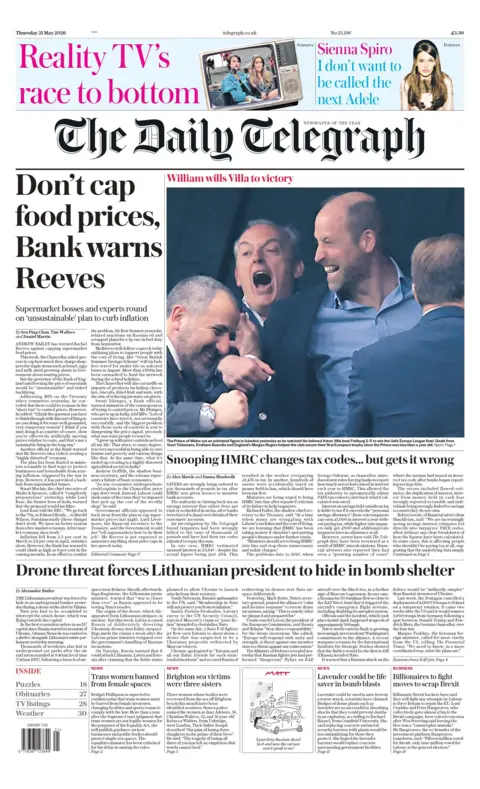
Supermarkets were facing a backlash on Thursday over a UK government proposal to cap the price of basic food items, a move aimed at easing the cost-of-living squeeze through a voluntary agreement with major retailers. The idea is being discussed as households continue to feel the strain of inflation, but retailers have already pushed back, turning the plan into another flashpoint over who should bear the burden of rising prices.
That food-price debate is a concrete policy question, not a slogan. It would rely on a deal with major retailers rather than a compulsory order, and it lands in a country where the household-budget squeeze has made the price of staples politically sensitive. For families on tighter incomes, the issue reaches beyond supermarket tills: the cost of bread, milk and other basics can shape diet quality, food security and the choices made at the end of each shopping trip.
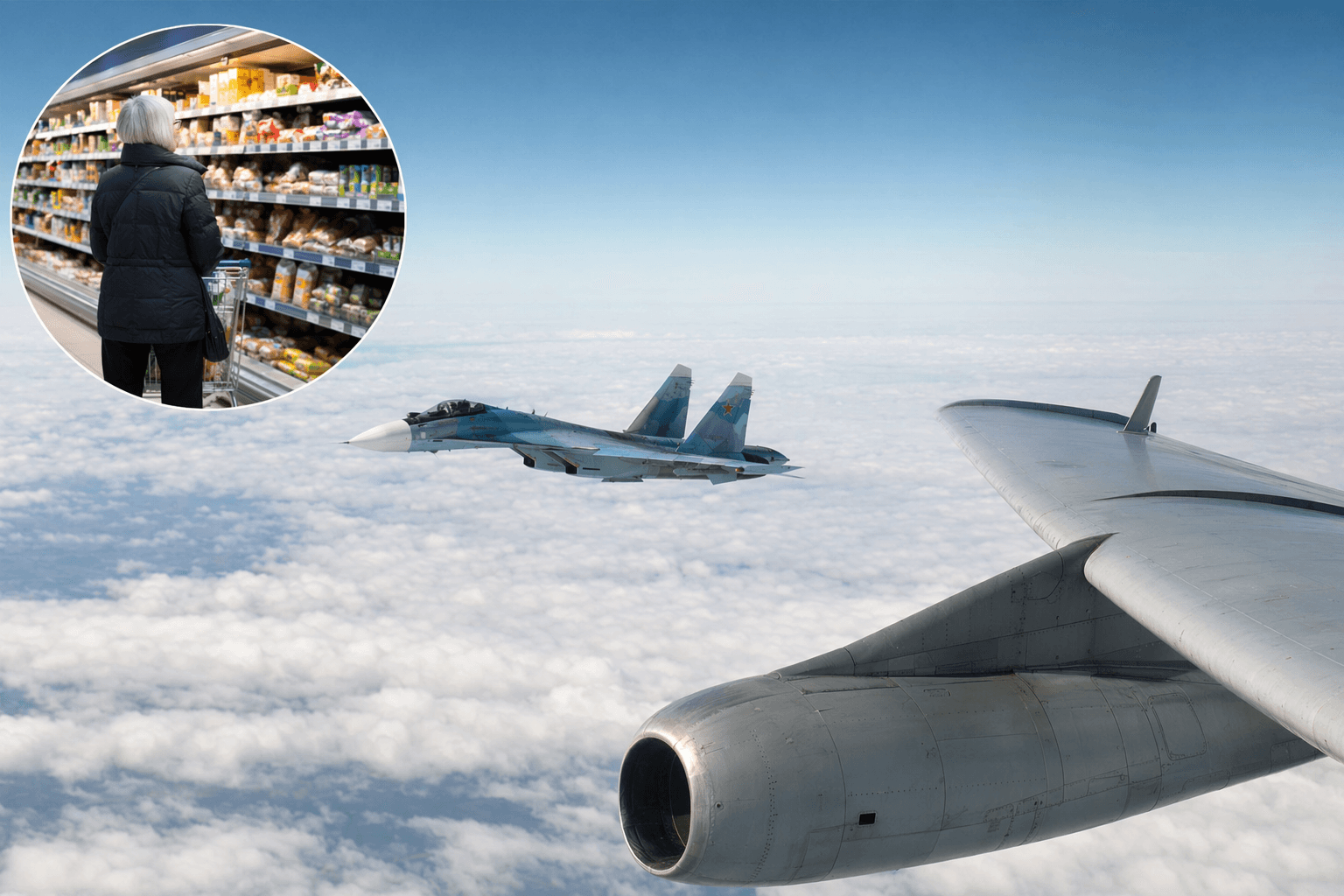
The other headline attached to Thursday’s front pages comes from a very different arena. An RAF surveillance aircraft was flying over the Black Sea in international airspace on 29 September 2022 when it encountered two Russian Su-27 fighter jets. The RAF aircraft had a crew of up to 30, and the incident later became linked to reporting that one Russian pilot suggested shooting it down, a claim the UK treated as a serious escalation.
That Black Sea encounter did not happen in isolation. RAF jets have intercepted Russian aircraft before, including Russian Tu-142 Bears and Blackjack bombers, as part of air policing and surveillance responses around the UK area of interest and over international waters. Typhoon aircraft from RAF Lossiemouth have shadowed Russian bombers, while four RAF fighters were also sent to intercept Tu-142s, underlining how often these encounters are managed through escort and shadowing rather than direct confrontation.
Placed side by side, the two stories point in different directions but reflect the same political pressure: one is about the price of dinner, the other about the limits of military tension. The food cap proposal speaks to the domestic reality of inflation and the households most exposed to it. The Russian jet incident speaks to the continuing risk of escalation between NATO and Russia, even when aircraft remain in international airspace.
Know something we missed? Have a correction or additional information?
Submit a Tip