Supreme Court Considers Whether ISPs Can Be Liable For Piracy
The Supreme Court hears arguments in a high stakes copyright case that could make an internet service provider financially responsible for customers who illegally download music, potentially exposing Cox Communications to up to 1.5 billion dollars in damages. The decision will reshape the legal duties of ISPs, influence enforcement strategies by rights holders, and reverberate across the technology and creative industries.
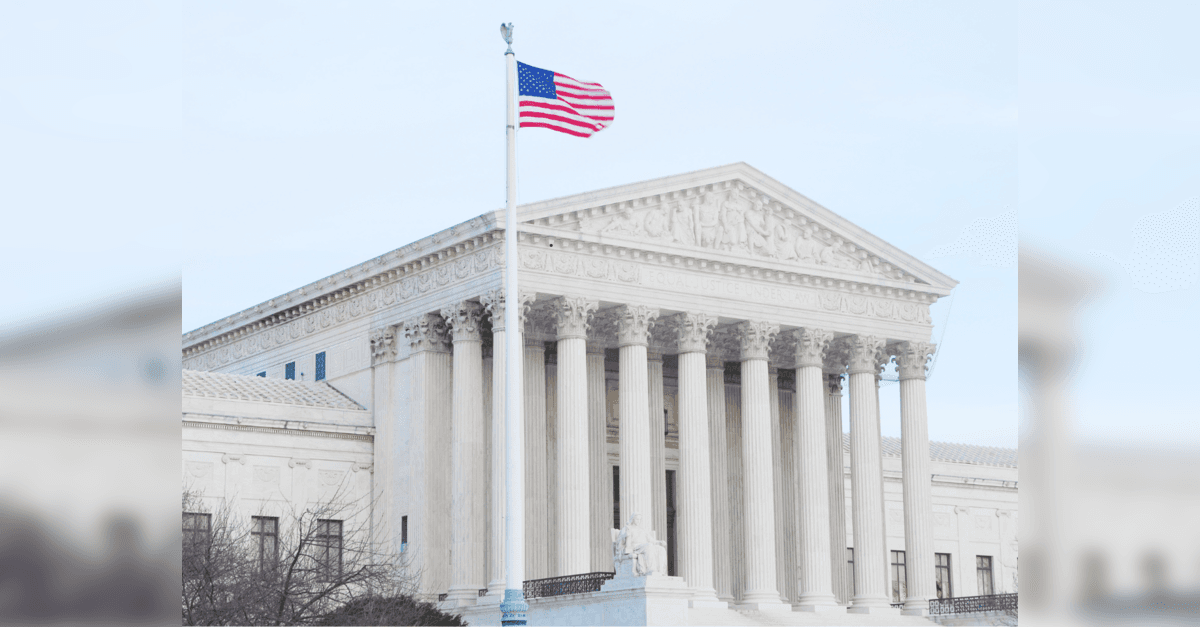
The Supreme Court is weighing a pivotal question for the internet economy as it hears arguments in a dispute brought by record labels seeking to hold Cox Communications accountable for customers who pirated songs. At issue is whether an internet service provider can be held liable for contributory copyright infringement when it allegedly failed to curb repeat infringers on its network. Cox is asking the Court to overturn a retrial order that could expose the company to damages as high as 1.5 billion dollars.
The case centers on competing visions of responsibility and enforcement along the digital distribution chain. Rights holders argue that ISPs that turn a blind eye to persistent infringing activity should be subject to monetary liability, creating a mechanism to deter large scale piracy and to compensate creators. ISPs counter that subjecting network operators to broad secondary liability would force them into de facto policing roles, impose massive compliance and monitoring burdens, and risk chilling lawful uses and consumer privacy.
Legal analysts say the Court will confront foundational questions about secondary liability doctrines and how they apply in a world where access providers are both platforms and utilities. A ruling for the record labels could expand the circumstances under which intermediaries are treated as contributors to infringement. A ruling for Cox could reaffirm limits on liability that have underpinned the business models of internet service providers and shield them from sweeping damage awards tied to user conduct.
Beyond the immediate financial stakes, the outcome carries policy implications for technology regulation, copyright enforcement, and consumer rights. If the Court affirms the retrial order, ISPs may change how they enforce terms of service, respond to takedown notices, and cooperate with rights holders. Those operational shifts could lead to stricter account suspensions or tighter surveillance of traffic patterns, raising questions about due process for subscribers and the balance between enforcement and privacy.

The case is closely watched by a broad cross section of stakeholders. Internet companies and trade groups are monitoring whether the decision will create new compliance costs and liability exposure. Media and entertainment companies are assessing whether enhanced intermediary liability will strengthen enforcement and recapture lost revenue. Civil liberties organizations are alert to the potential consequences for user privacy and free expression if ISPs adopt more intrusive monitoring.
The Supreme Court decision will also provide a roadmap for lower courts and Congress. A narrow ruling could limit its immediate impact to the parties and similar disputes. A broader ruling could prompt legislative responses to clarify the contours of intermediary responsibility, the role of safe harbors, and the procedural protections necessary when providers take enforcement action.
The Court heard arguments on December 1, 2025. Observers expect a decision before the end of the Court’s term next June, a timeline that will dictate how quickly the industry and policymakers must adapt to the new legal landscape.
This article was produced by Prism’s automated news system from verified source data, official records, and press releases, then run through automated quality and moderation checks before publishing. The system is built and supervised by the people who set the standards it runs under. Read our full AI policy.
Did this article answer your question?