Supreme Court Fast-Tracks Challenge to Trump-Era Emergency Tariffs
The Supreme Court has put a direct challenge to President Trump’s use of a 1970s emergency statute to impose sweeping tariffs on a fast track, setting a tight briefing schedule and one-hour argument in November. The decision could reshape presidential trade authority, trigger complex refund disputes for companies and carry immediate budgetary, diplomatic and market effects.
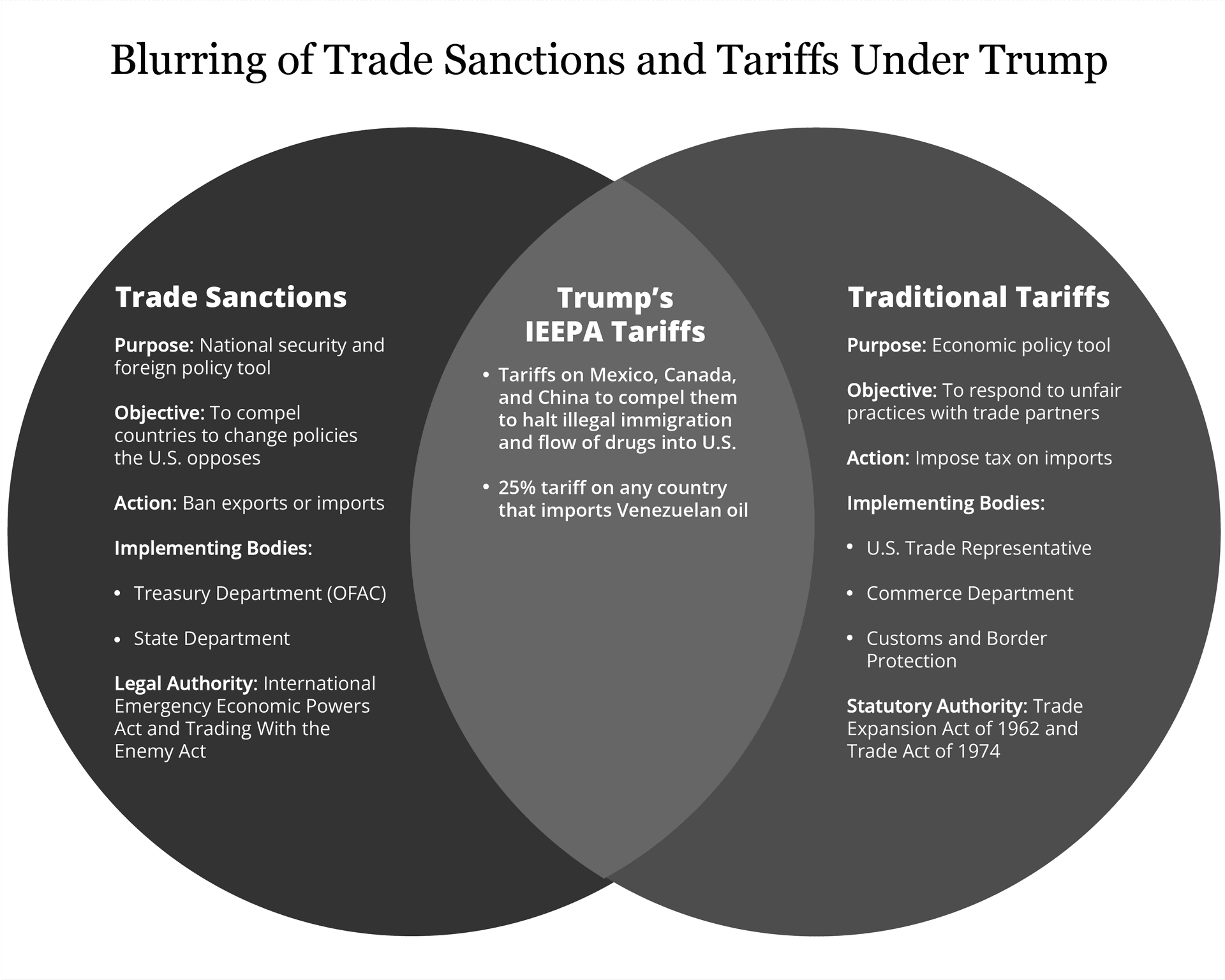
The Supreme Court has accelerated consideration of a high-stakes legal challenge to tariffs the Trump administration imposed under the International Emergency Economic Powers Act (IEEPA), putting fundamental questions about presidential authority over trade on a rapid timetable. The principal case, V.O.S. Selections v. Trump, along with a companion matter, Learning Resources, Inc. v. Trump, will test whether a national-emergency statute from the 1970s authorizes large, economy-reshaping tariffs.
The Court granted certiorari on September 9, 2025, and set unusually aggressive filing deadlines. Opening merits briefs were required by September 19, 2025, amici briefs by September 23, and both response and reply briefs by October 20. The Court allotted one hour for oral argument during the week beginning November 3, 2025; one source reports arguments were heard on November 5, 2025.
Lower courts already weighed in against the administration. On May 28, 2025, the U.S. Court of International Trade ruled that President Trump exceeded IEEPA authority when imposing certain tariffs. That decision was affirmed en banc by the U.S. Court of Appeals for the Federal Circuit on August 29, 2025, by a 7–4 vote. Both courts concluded that IEEPA does not authorize the broad tariff measures imposed by the administration.
The tariffs at issue include two distinct programs. On April 2, 2025, the administration invoked IEEPA to impose so-called reciprocal tariffs ranging from 10 percent to 50 percent on nearly every country that trades with the United States, asserting that foreign economic practices constituted a national emergency. Earlier IEEPA-based levies targeted alleged drug-smuggling routes involving China, Mexico and Canada. A stay remains in place allowing the government to continue collecting the tariffs while litigation proceeds.

Economists and trade analysts say the case has immediate economic consequences. Tax Policy Center analysts Robert McClelland and John Wong estimate the reciprocal levies account for about 8.1 percentage points of the average U.S. tariff rate, suggesting that a Supreme Court ruling invalidating the IEEPA basis would ease some cost pressures but not eliminate tariff-induced price changes. Market observers warn that firms which have paid the levies would face lengthy and potentially costly reimbursement procedures if the Court strikes down the program; the longer the tariffs remain in force before a final ruling, the more complicated refunding becomes.
Beyond balance-sheet effects for importers, the dispute raises broader policy and diplomatic stakes. A ruling curtailing IEEPA use would limit presidential flexibility to impose unilateral trade measures during declared emergencies, affecting ongoing negotiations and signaling limits on executive power to reshape the economy. Conversely, an upholding of IEEPA authority would expand executive options for rapid trade action and could shift leverage in trade talks.
With tight procedural deadlines and the high economic stakes, the Supreme Court’s resolution of the case promises to influence tariffs, trade negotiations and executive-agency boundaries for years. Observers say the Court may move faster than usual because the outcome will affect both immediate market behavior and long-term institutional design.
This article was produced by Prism’s automated news system from verified source data, official records, and press releases, then run through automated quality and moderation checks before publishing. The system is built and supervised by the people who set the standards it runs under. Read our full AI policy.
Did this article answer your question?