Supreme Court Keeps Copyright Chief in Office, Blocks Removal Now
The Supreme Court refused emergency relief that would have allowed the Trump administration to immediately oust Shira Perlmutter as head of the U.S. Copyright Office, leaving in place lower court rulings that have blocked her removal. The decision preserves the status quo while courts weigh a larger constitutional dispute over presidential removal authority, a contested issue with consequences for agency independence and policy continuity.
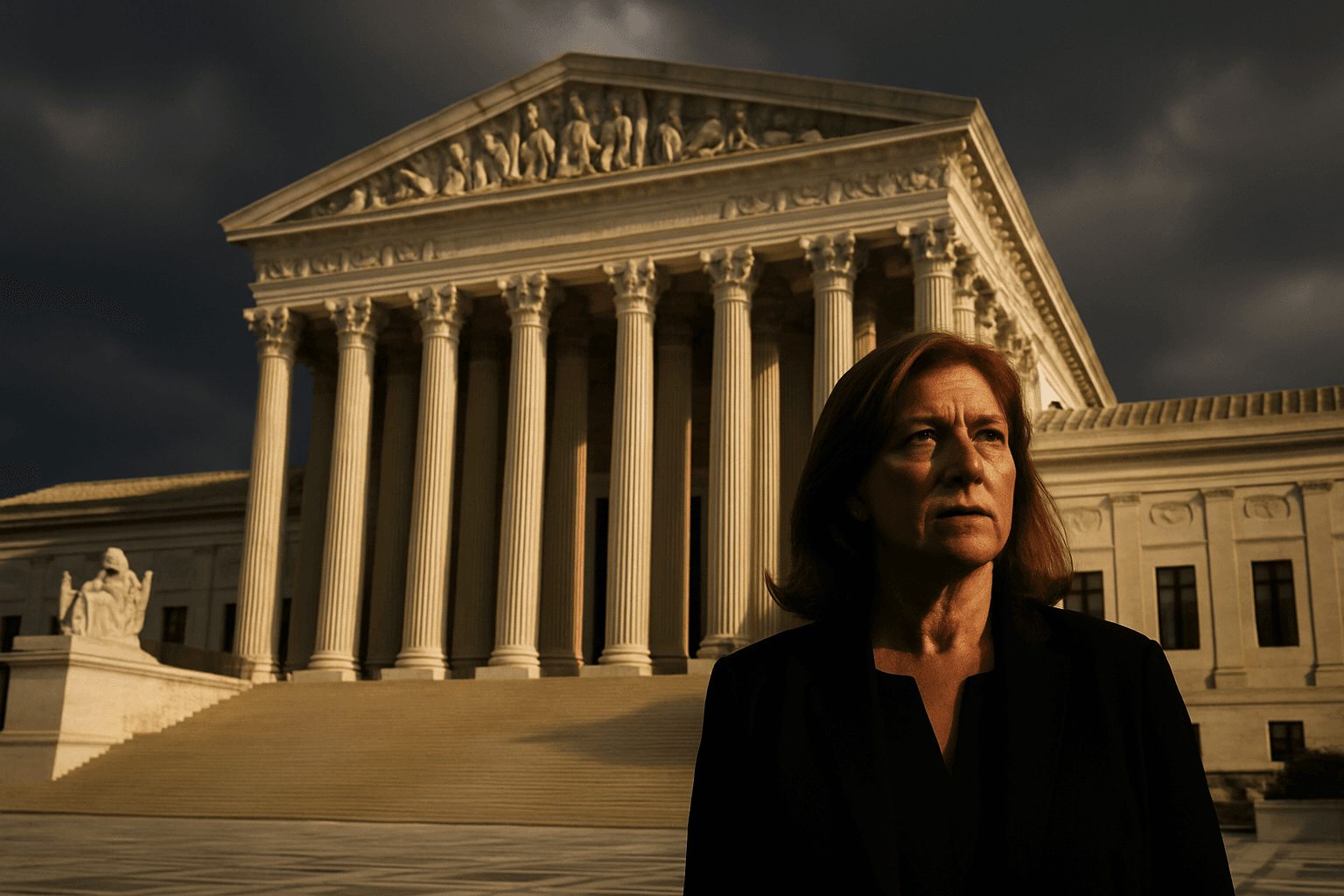
The Supreme Court on November 27 declined on an emergency basis to permit the immediate removal of Shira Perlmutter as head of the U.S. Copyright Office, effectively leaving intact lower court orders that have blocked the administration’s attempt to dismiss her. The ruling allows Perlmutter to remain in office while related litigation proceeds through the federal courts, and signals that the justices will consider broader constitutional questions in the ordinary course rather than intervene at the emergency stage.
The emergency application sought fast relief from the high court to overturn injunctions issued by lower courts, which concluded that the government could not remove Perlmutter without further judicial consideration of statutory and constitutional limits. The decision by the Supreme Court does not resolve the underlying dispute over whether the executive branch may replace certain officials at independent agencies and offices, but it denies the administration a quick path to immediate change in leadership at the Copyright Office.
Justice Clarence Thomas registered a dissent preferring immediate removal, but the majority declined to alter the lower courts’ rulings pending further review in related cases. The litigation is one among a series of challenges that have accompanied the administration’s efforts to accelerate turnover at federal agencies and offices that are traditionally insulated from direct political control. At stake are longstanding questions about presidential removal power, separation of powers, and the independence of expert institutions that administer complex regulatory regimes.
The practical effect of the court’s action is immediate. Perlmutter will continue to oversee the Copyright Office’s rulemaking, registration and policy activities while stakeholders from the entertainment, publishing and technology sectors watch for potential shifts in enforcement and guidance. For those industries, continuity in leadership matters for ongoing rulemakings, international negotiations and the administration of copyright registration that affects authors, performers and businesses.
Legal scholars said the dispute could produce a Supreme Court decision with far reaching implications for the structure of federal agencies. A ruling affirming broader presidential removal authority could make it easier for administrations to replace agency leaders and reshape policy direction, while a decision limiting removal powers would preserve a measure of insulation for specialized offices whose work depends on technical expertise and continuity.
The case joins other high profile removal disputes that will test the boundaries of executive authority and judicial oversight. By denying emergency relief and allowing the ordinary appellate process to unfold, the Supreme Court deferred a high stakes constitutional determination until it can consider the issues fully and with briefing from the parties. For now, the status quo at the Copyright Office remains intact, and the legal battle over who controls leadership of independent federal offices continues to play out in the courts. The Associated Press reported aspects of this development.
This article was produced by Prism’s automated news system from verified source data, official records, and press releases, then run through automated quality and moderation checks before publishing. The system is built and supervised by the people who set the standards it runs under. Read our full AI policy.
Did this article answer your question?