Supreme Court lets Exxon pursue Cuba property compensation claim
The Supreme Court said Helms-Burton strips immunity from Cuban state firms, clearing Exxon to press a claim over seized assets worth more than $1 billion.
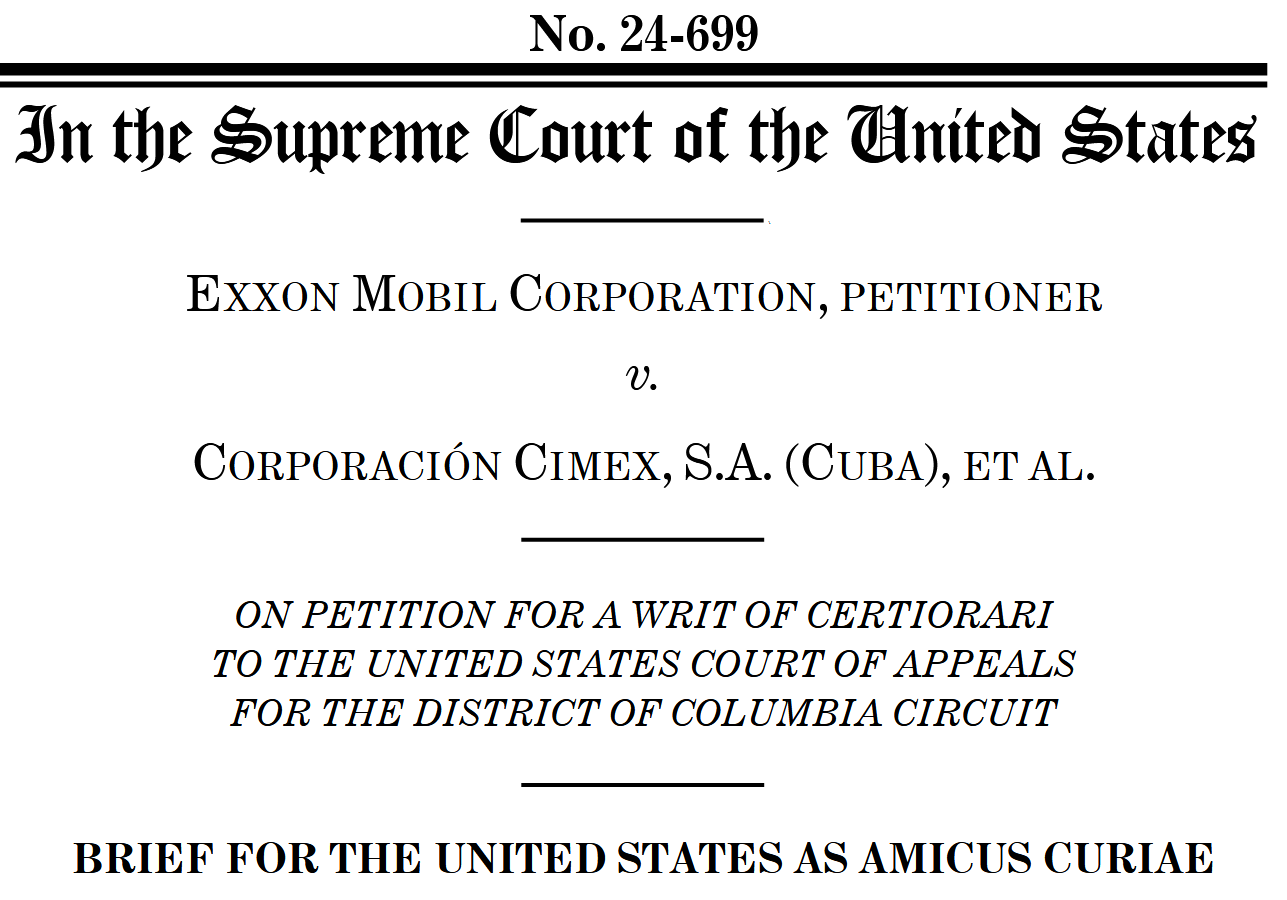
Exxon can keep pursuing compensation for a Cuban refinery, terminals, packaging plants and more than 100 service stations seized in 1960, after the Supreme Court ruled that federal law allows the case to proceed against Cuban state-owned companies. The 6-3 decision gives Exxon Mobil Corp. another chance to recover losses tied to property taken after Fidel Castro’s government came to power.
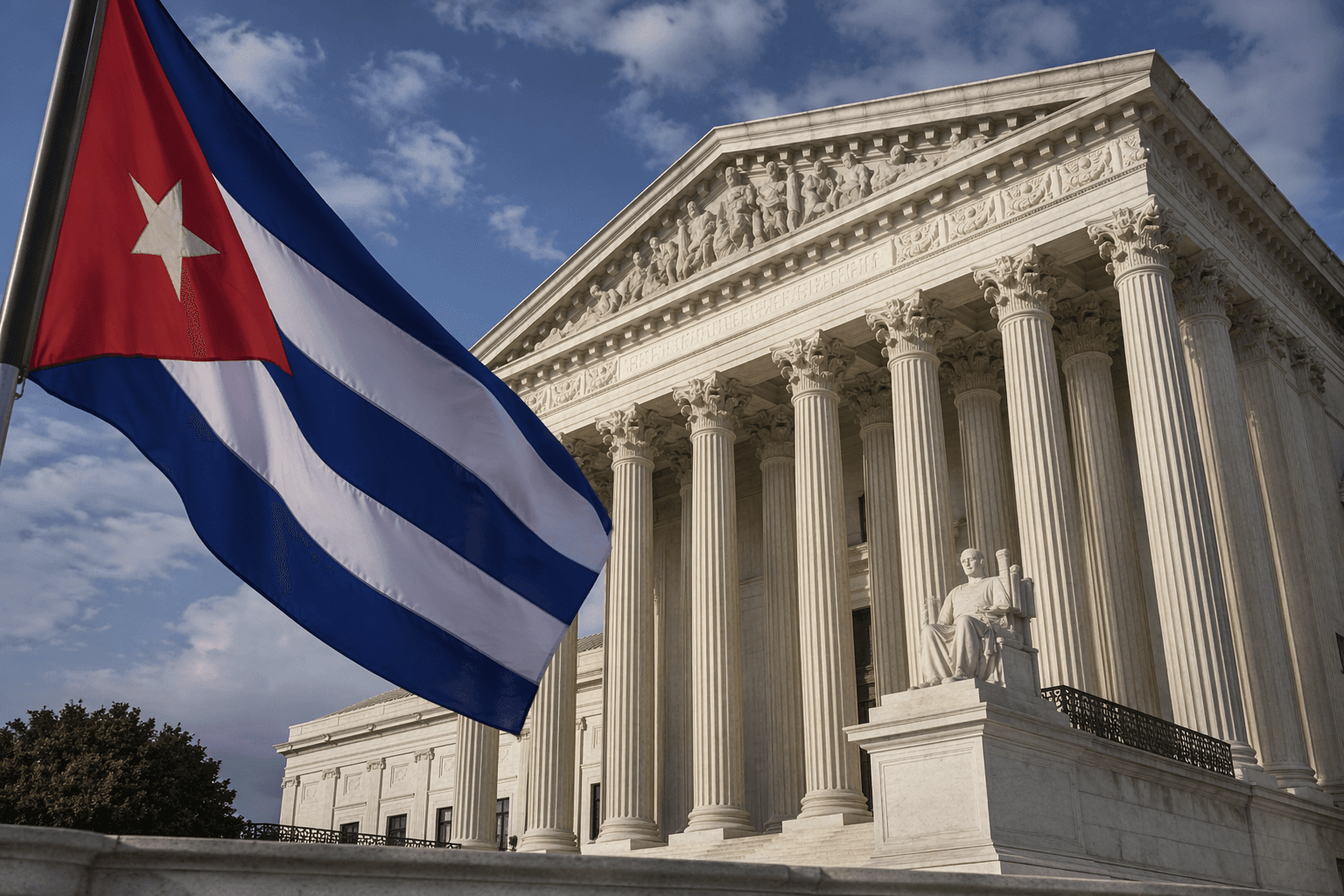
Justice Brett Kavanaugh wrote the majority opinion in Exxon Mobil Corp. v. Corporación CIMEX, S.A. (Cuba), and the court held that the Helms-Burton Act itself abrogates sovereign immunity for Cuban agencies and instrumentalities. That means Exxon’s suit can move forward against Unión Cuba-Petróleo, known as CUPET, Corporación CIMEX, S.A., and CIMEX’s Panamanian alter ego.
Exxon brought the case under Title III of the 1996 Helms-Burton Act, the provision Congress enacted to let U.S. nationals sue entities that traffic in confiscated Cuban property. Exxon filed in federal court in 2019, the same day President Donald Trump lifted the suspension on Title III claims. The company is seeking more than $1 billion in damages, relying on a 1969 U.S. government claims determination that valued its losses at $71.6 million, plus 6% annual interest beginning in 1960.
The case reached the justices after they asked the Trump administration for the solicitor general’s views in May 2025. The court heard argument on February 23, 2026, then sided with Exxon and the administration’s position that the statute opens the door to suit. The ruling is the second in as many months in favor of U.S. owners of Cuban property, reinforcing a litigation path that has long outlived the Cold War-era seizures at its center.
For Exxon, the decision preserves a route to press claims over assets that were once part of a broad oil and fuel network in Cuba. For Havana and the state companies that inherited those holdings, it deepens legal exposure in U.S. courts at a moment when relations remain tense and the U.S. embargo is still in place.
This article was produced by Prism’s automated news system from verified source data, official records, and press releases, then run through automated quality and moderation checks before publishing. The system is built and supervised by the people who set the standards it runs under. Read our full AI policy.
Know something we missed? Have a correction or additional information?
Submit a Tip