Voters head to polls in key June primaries shaping Congress
New York's House primaries, Maryland's gubernatorial race and Utah's split congressional contests signaled how redistricting and turnout could shape November.
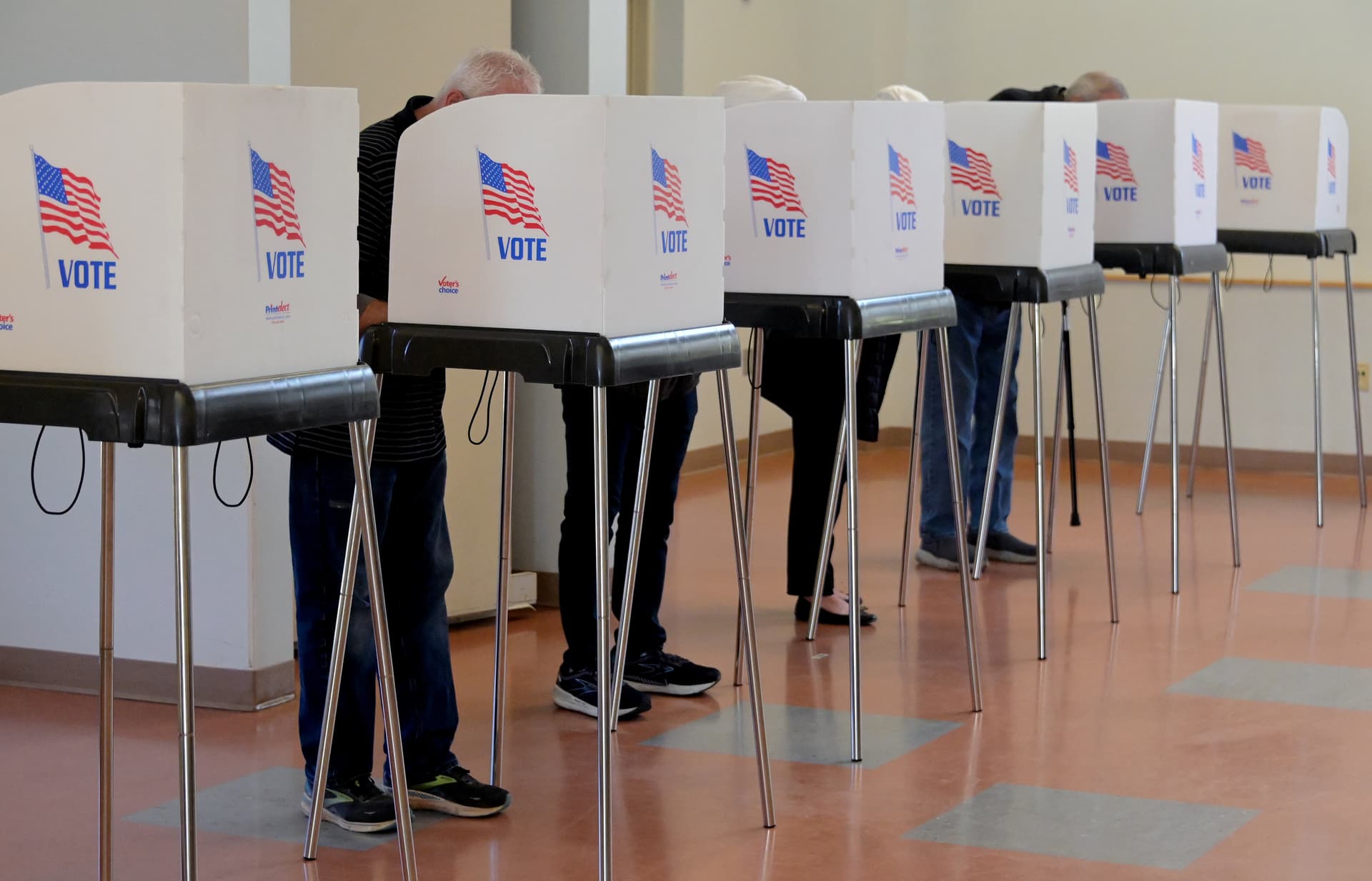
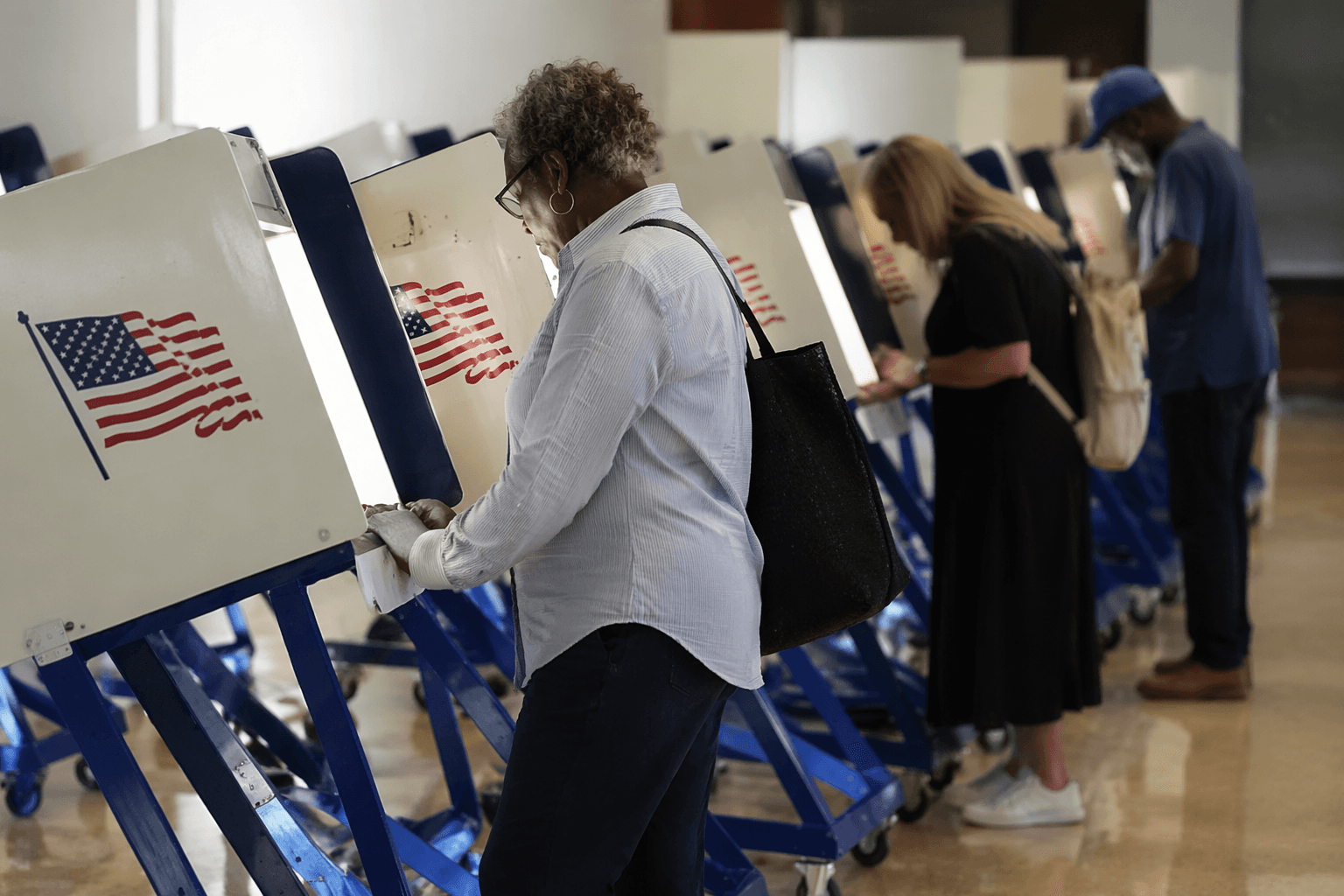
Voters across Maryland, New York and Utah headed into primaries that offered an early read on the November fight for Congress. Polls were set to close at 5 p.m. in Maryland, 6 p.m. in New York and 7 p.m. in Utah, with South Carolina and South Dakota also on the June 23 slate.
New York carried the clearest national test. Democratic nomination fights in the 7th, 12th and 13th Congressional Districts drew the most attention in a state with 14.1 million voting-age residents and a 2024 presidential margin of plus 12.7 for Kamala Harris, a 10.4-point shift toward Republicans from 2020. Gov. Kathy Hochul and Attorney General Letitia James were unopposed, leaving the House primaries to show whether Democrats could defend closely divided seats even as the state moved rightward relative to the last presidential cycle.
Maryland looked different, but no less revealing. The state Board of Elections framed the contest as the 2026 Gubernatorial Primary Election, with early voting running from June 11 through June 18 and election day voting open from 7 a.m. to 8 p.m. on June 23. The ballot stretched from governor, lieutenant governor, comptroller and attorney general to congressional seats, and the Associated Press flagged the governor’s race and the 5th Congressional District as the key contests. That mix made Maryland a test of turnout as much as ideology, especially in a state where the shape of the electorate can matter for both statewide and House politics.
Utah added another angle to the map. The state’s marquee June 23 House primaries were the Democratic race in the 1st District and the Republican race in the 3rd District, a split that underscored how the parties were fighting different battles under the same new political terrain. Redistricting had become a major theme in 2026 primaries nationwide, and Utah showed how new lines could elevate one district for Democrats while turning another into a crucial GOP contest.
Taken together, the primaries pointed beyond one Tuesday in June. New York showed how a large blue state could still deliver warning signs for Democrats. Maryland measured whether local coalitions could turn out across a sprawling ballot. Utah showed how redrawn maps were already changing the congressional battlefield before November, when control of Congress will be decided.
This article was produced by Prism’s automated news system from verified source data, official records, and press releases, then run through automated quality and moderation checks before publishing. The system is built and supervised by the people who set the standards it runs under. Read our full AI policy.
Know something we missed? Have a correction or additional information?
Submit a Tip