Teamsters and Justice Department seek end to 37-year corruption monitoring
The Teamsters and the Justice Department asked a Manhattan court to end 37 years of monitoring, raising the question of reform or a rollback of hard-won anti-corruption guardrails.

The Teamsters and the Justice Department asked a Manhattan federal court to end the union’s remaining anti-corruption monitorship, moving to close one of the longest-running federal interventions in modern labor history. The effort would lift oversight that began with a 1989 consent decree designed to wipe out organized-crime influence and protect democratic elections inside a union that says it represents about 1.3 million members across North America.
The joint motion, filed June 17, came after the union said it had held nine elections during 37 years of federal monitoring. The current oversight structure dates to 2015, when the earlier agreement was replaced with a final order that created an Independent Review Officer and an Independent Investigations Officer. The Justice Department said the Teamsters had purged corruption and organized crime influence, while union leaders argued that internal safeguards now make federal supervision unnecessary.
Sean M. O’Brien, first elected general president in 2021 and reelected in June 2026, has made the case that the union has changed from within. The Teamsters said his leadership added new checks and balances, including a process for investigating every member complaint and referring cases to legal authorities when appropriate. That argument places the union’s self-policing capacity at the center of the court filing: either the safeguards now stand on their own, or the end of oversight removes a backstop that took decades to build.
O’Brien’s political leverage has also altered the stakes. According to reporting tied to the filing, he used a relationship with President Trump to help clear the path toward ending court-ordered monitoring, giving the push an unusual presidential backdrop for a labor union long defined by reform battles and anti-corruption scrutiny. The move gives O’Brien, now leading one of the country’s most powerful unions, a chance to claim victory over a federal system that began in the post-mob era and has shaped Teamsters politics for a generation.
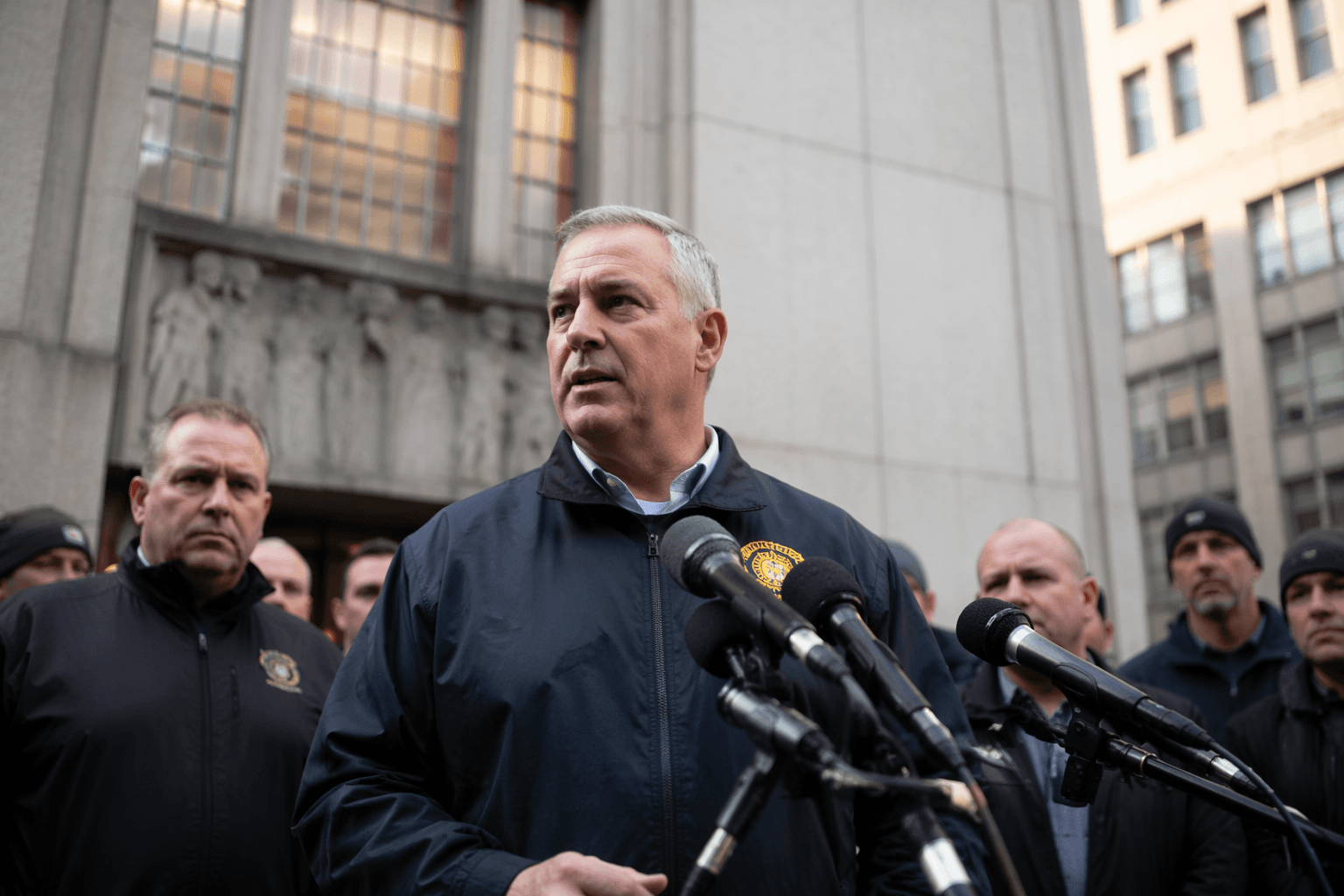
The union’s internal politics have reinforced that momentum. At the Teamsters’ 31st International Convention in Las Vegas, the O’Brien-Zuckerman Teamsters United slate was reelected by white ballot after 1,572 delegates cast a secret ballot vote on the slate. The Teamsters said those delegates were democratically elected from more than 330 local unions in the United States, Canada and Puerto Rico.
For supporters, ending the monitorship would mark proof that the union has repaired itself and can govern democratically without federal supervision. For critics in reform circles, it would strip away an important safeguard against corruption at exactly the moment the union is trying to declare the work finished.
This article was produced by Prism’s automated news system from verified source data, official records, and press releases, then run through automated quality and moderation checks before publishing. The system is built and supervised by the people who set the standards it runs under. Read our full AI policy.
Know something we missed? Have a correction or additional information?
Submit a Tip