Supreme Court ruling fuels wave of mid-decade redistricting fights nationwide
A Louisiana ruling upended one map and put at least a dozen states on alert, with primaries, lawsuits and House control now in play before 2028.
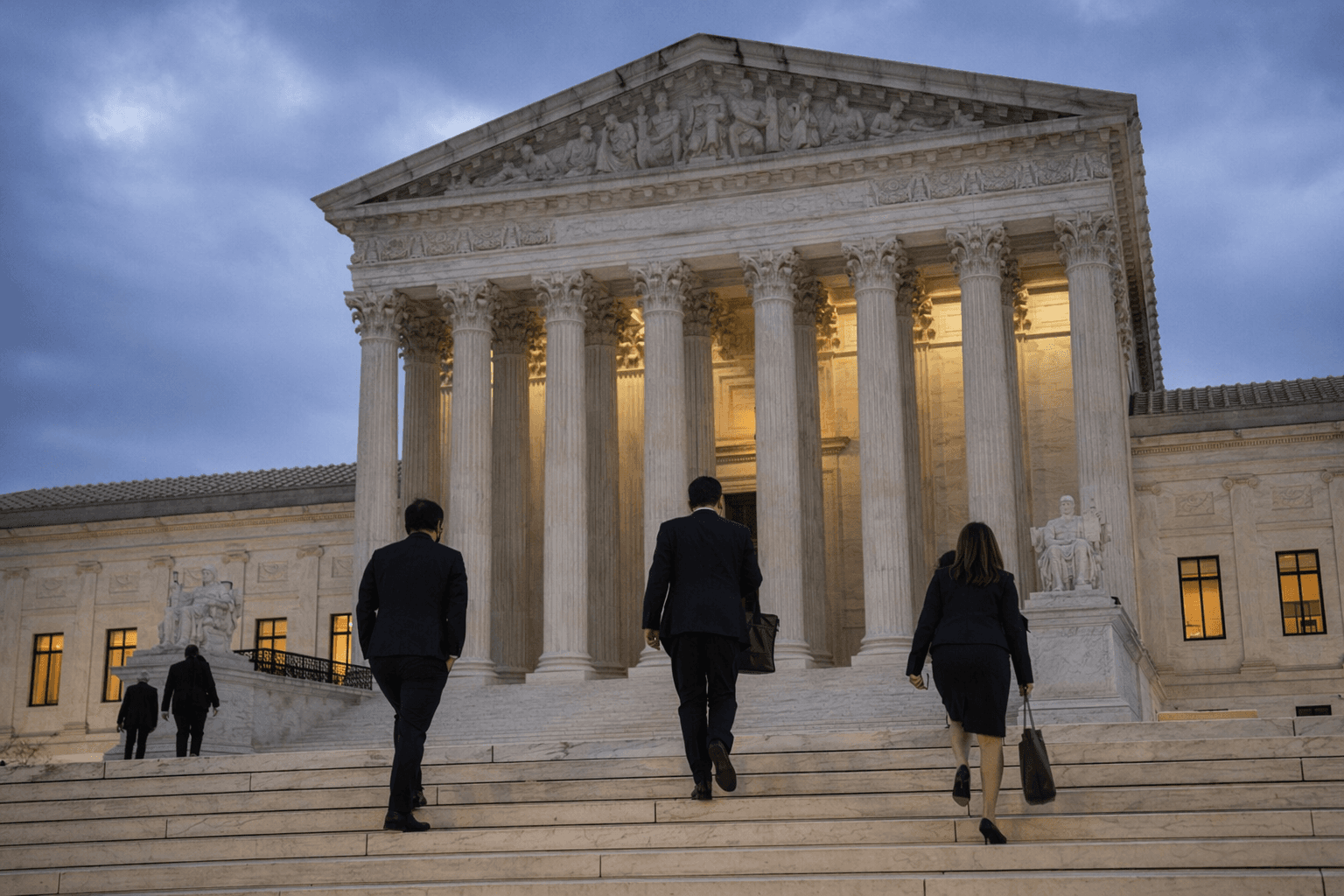
The Supreme Court’s Louisiana ruling landed like a trigger, not a finish line. Louisiana halted its May 16 House primary after the court struck down the state’s congressional map as an unconstitutional racial gerrymander, and Alabama officials moved almost immediately to ask the justices to fast-track related redistricting fights.
At the center of Louisiana v. Callais was a map that had added a second majority-Black congressional district. The court’s April 29 decision cracked open a fresh round of partisan and legal maneuvering, with state officials, voting-rights groups and Republican strategists now treating mid-decade redraws as a live option well before the 2030 census.
The states most exposed are the ones already talking openly about new maps or already inside the current fight. The National Conference of State Legislatures has pointed to Mississippi, where the legislature may return in a special session in late May, and to Alabama, Georgia, New Jersey, New York, Tennessee and Washington, where officials have suggested fresh lines after the ruling. Texas, North Carolina and Missouri have already enacted new maps or changes, while California has answered with its own redistricting push.
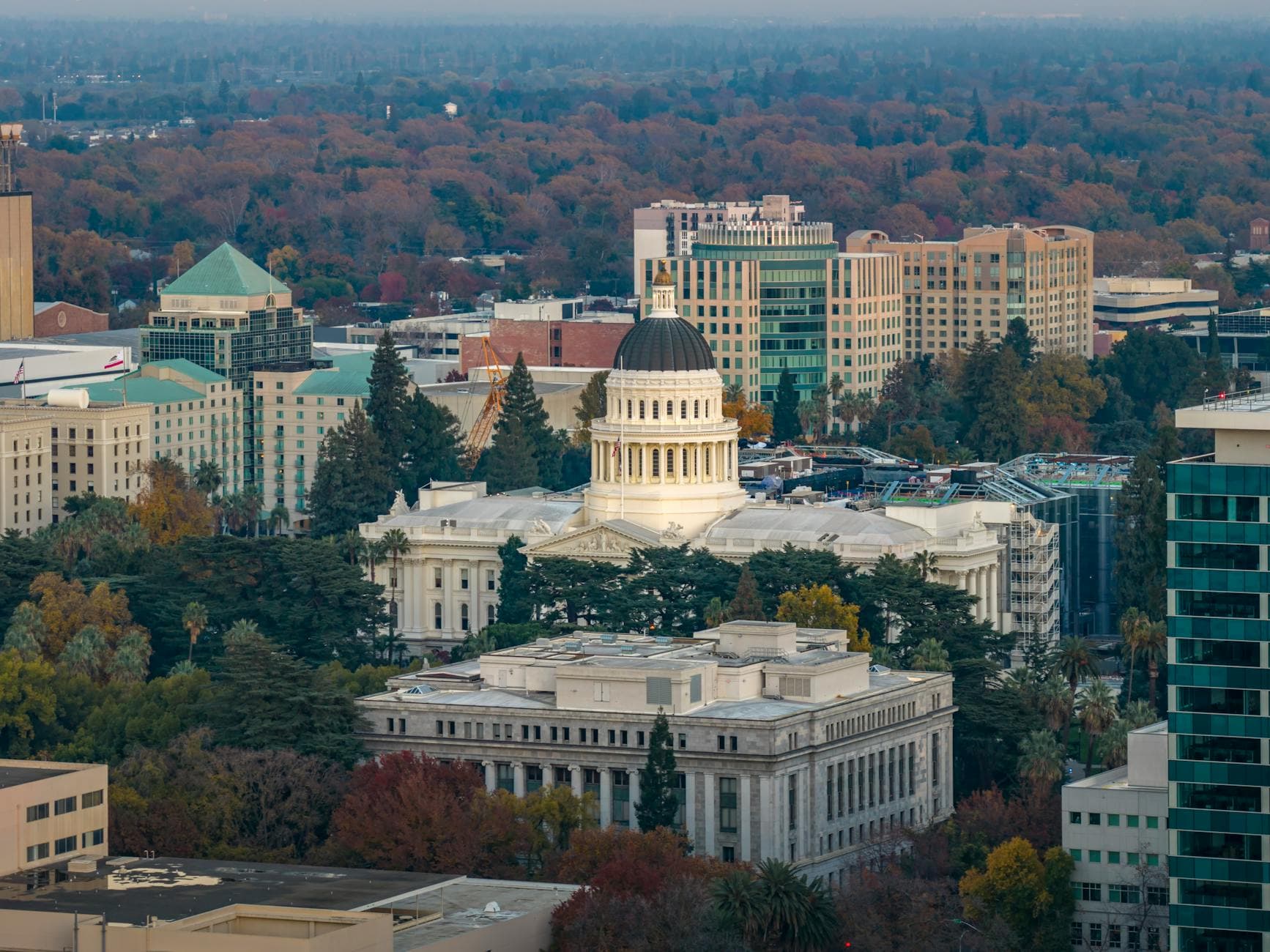
The next layer of risk extends beyond the states already in motion. AP reporting and other analysis have identified Florida, Indiana, Illinois, Maryland, Ohio and Virginia as additional battlegrounds if the post-Callais scramble accelerates. In some places, new maps could be designed for the 2026 general election; in others, officials may decide to draw lines that take effect only for 2028, effectively setting up another round of map fights before voters ever reach the next census.
That is where the ruling’s longer-term effect begins to matter. A Congressional Research Service brief says mid-decade congressional redistricting has happened intermittently since the 2000 census, and that some states bar mid-decade redrawing for state legislative maps but not for congressional districts. That uneven legal landscape gives governors, legislatures and attorneys general room to maneuver, especially in states where one party controls both chambers and the governor’s office.

President Donald Trump had already been pressing Republican-led states last summer to increase the number of GOP-friendly districts, and CBS News reported that a favorable scenario for Republicans in the South could produce between one and nine additional House seats. One analysis put the combined reach of Texas and California’s mid-decade changes at nearly 20 million residents shifted into different districts. That scale matters because every redraw changes not just partisan balance, but local representation, donor networks and candidate recruitment.
For Republicans, Louisiana opened a possible legal path to challenge majority-minority districts across the South. For civil-rights groups and Black voters, it raised the prospect of fewer minority-opportunity seats and a cycle of courtroom-driven, openly partisan policy battles. If the pattern holds, the next decade’s election fights may be decided less by one census than by a rolling contest over who gets to redraw the map first.
This article was produced by Prism’s automated news system from verified source data, official records, and press releases, then run through automated quality and moderation checks before publishing. The system is built and supervised by the people who set the standards it runs under. Read our full AI policy.
Did this article answer your question?

