Supreme Court stays UGC equity rules, sends regulations back for review
Supreme Court pauses UGC's 2026 equity norms, citing vagueness and risk of social division; 2012 rules will stay in force pending March hearing.
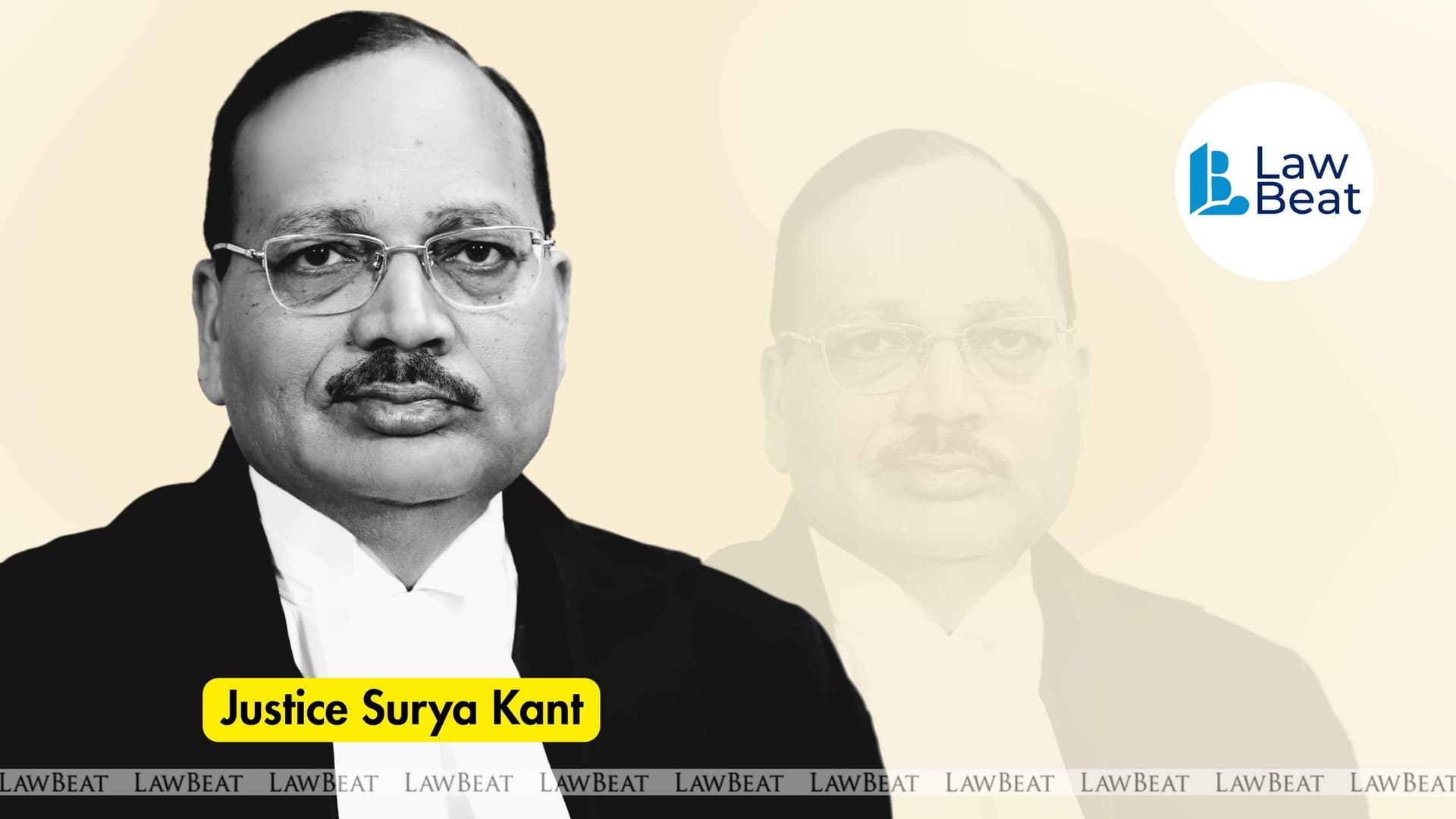
The Supreme Court of India on Thursday stayed the implementation of the University Grants Commission (Promotion of Equity in Higher Education Institutions) Regulations, 2026, saying the new rules raise fundamental questions that require closer judicial scrutiny. A bench headed by Chief Justice of India Surya Kant and comprising Justice Joymalya Bagchi kept the 2026 Regulations in abeyance and ordered that the UGC's 2012 equity regulations continue in force until further orders under Article 142.
The court issued notice to the Union Government and the UGC in three writ petitions filed by Mritunjay Tiwari, Vineet Jindal and Rahul Dewan, listing the matters for return on March 19, 2026. The 2026 Regulations had been notified on January 13, 2026 and would have required all higher education institutions to form equity committees to address discrimination complaints and promote equity across campuses.
Central to the challenge is Regulation 3(c) of the 2026 text, which defined caste-based discrimination narrowly as discrimination "only on the basis of caste or tribe against the members of the Scheduled Castes (SC), Scheduled Tribes (ST) and Other Backward Classes/Communities (OBC)." Petitioners and intervenors contended that this formulation extends protection and reservation-style safeguards to SC, ST and OBC communities while excluding general or upper-caste groups, thereby creating an unequal protective regime.
The bench voiced acute concerns about the drafting and potential social impact. The court described the Regulations as "too sweeping" and observed parts of the text appear "vague" and "capable of misuse." The judges said the 2026 Regulations raise "important questions" that could have "very sweeping consequences" and "will divide the society" if left unaddressed. Justice Bagchi queried drafting redundancies, asking why Section 2(c) was separated when Section 2(e) seemed to cover similar ground, signaling the need to reconcile definitions that could generate confusion in enforcement.

The stay was opposed in court by senior advocate Indira Jaising and advocate Prasanna S., who argued against suspending the Regulations. They said keeping the rules in abeyance was akin to "calling a fully-abled person as disabled" and stressed the Regulations sought to address entrenched discrimination against Dalit and historically oppressed communities. The 2026 framework traces its lineage to a public interest litigation filed in 2019 by Radhika Vemula and Abeda Salim Tadvi, itself prompted by the reported suicides of Rohit Vemula and Payal Tadvi and allegations of caste-based exclusion on campuses.
Beyond the immediate legal contest, the decision has policy and sectoral implications. The stay preserves regulatory certainty for universities and colleges that would otherwise rewrite grievance mechanisms and compliance architecture. At the same time, it prolongs the status quo at a moment when policymakers and activists argue fresh rules are needed to tackle campus discrimination systematically. The bench suggested the government should constitute a committee of eminent jurists to revisit the draft, a step Solicitor General Tushar Mehta was told the Centre must take.
For higher education institutions already operating under tight budgets and evolving accountability norms, the litigation points to prolonged compliance uncertainty and potential administrative costs should the rules be reissued in revised form. More broadly, the dispute highlights a long-term policy tension in Indian higher education: how to design targeted protections for historically disadvantaged groups while maintaining inclusive frameworks that guard against social fracturing. The court’s March 19 hearing will determine whether the 2026 Regulations can be salvaged through redrafting or must be replaced with a different approach to campus equity.
This article was produced by Prism’s automated news system from verified source data, official records, and press releases, then run through automated quality and moderation checks before publishing. The system is built and supervised by the people who set the standards it runs under. Read our full AI policy.
Did this article answer your question?