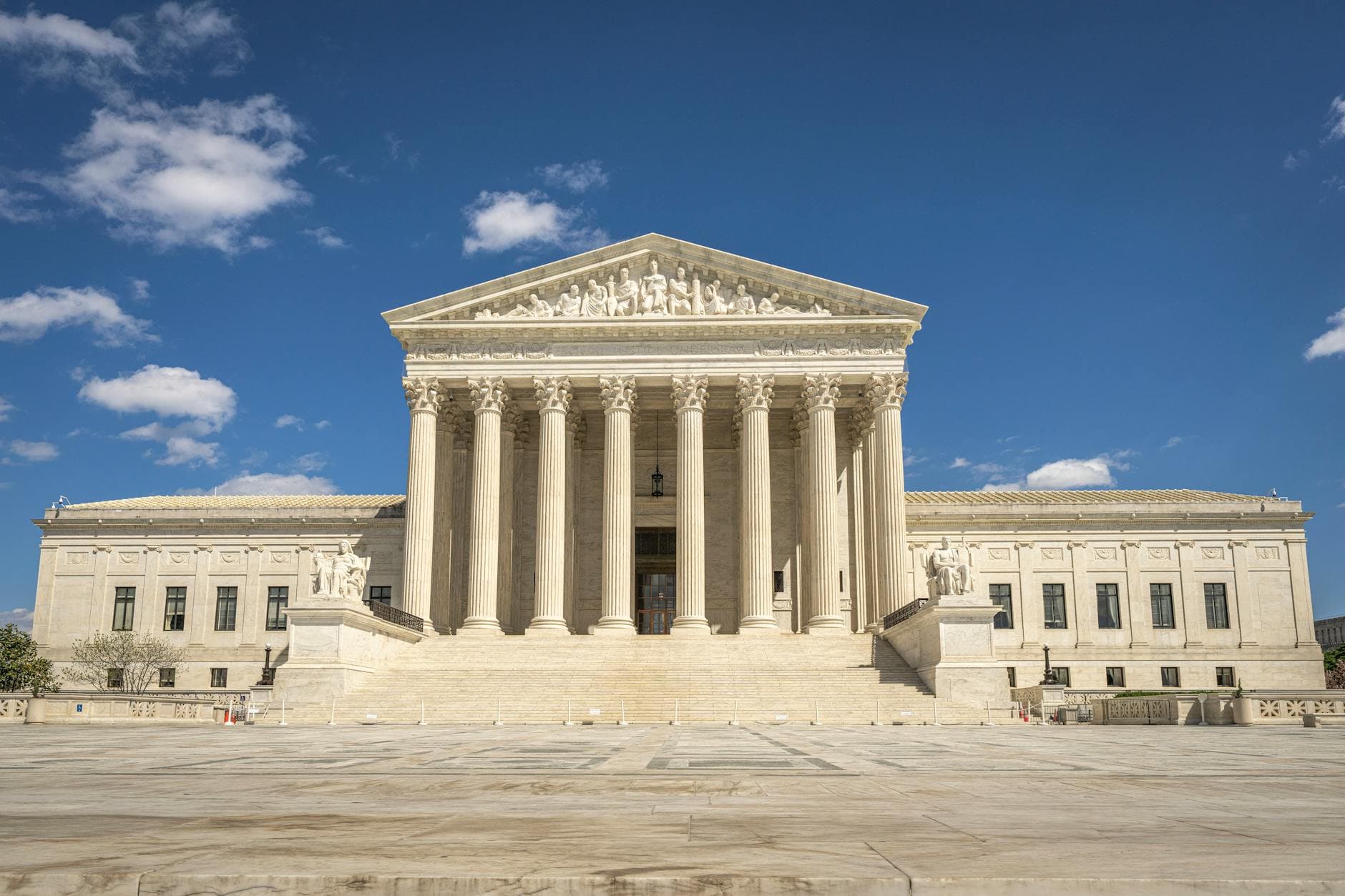
Supreme Court Strikes Down Louisiana Voting Map in Redistricting Case
Louisiana’s second majority-Black congressional district is now in jeopardy, and the ruling could make it harder to defend similar maps nationwide before the 2026 elections.
Louisiana’s Black voters stand to lose the second majority-Black congressional district that lawmakers drew in 2024, after the Supreme Court struck down the state’s map and sent a sharper warning to redistricting fights across the country. The 6-3 decision, written by Justice Samuel Alito in Louisiana v. Callais, put Louisiana back at the center of the national fight over who gets represented on election maps and how far states can go when trying to fix vote dilution.
The case turned on SB8, the congressional plan Governor Jeff Landry signed on January 23, 2024, after the Legislature approved it earlier that month. Louisiana’s earlier 2022 map had only one majority-Black district in a state where Black residents make up roughly one-third of the population. The new map created a second majority-Black district by linking communities across Baton Rouge, the Red River region, Alexandria and Shreveport along the I-49 corridor. It was used in the 2024 elections after the Supreme Court kept it in place on an emergency basis.
On Tuesday, the court held that SB8 was an unconstitutional racial gerrymander and said the Voting Rights Act did not require Louisiana to create another majority-minority district. That narrowed how Section 2 can be used in redistricting disputes and signaled that race-conscious remedial maps will face tougher constitutional scrutiny. The ruling arrived with Louisiana already heading toward a May 16, 2026, primary, raising the possibility that lawmakers will have to redraw the state’s map again before voters next cast ballots.
The decision is likely to reverberate beyond Louisiana. Civil rights groups said the ruling weakens a central safeguard against vote dilution and could make it harder to challenge congressional, state, municipal and local maps nationwide. The Leadership Conference on Civil and Human Rights said the case goes to whether every American has an equal and effective voice in the political process. Others warned that states may now move quickly to test new maps before the November 2026 midterms, while pending redistricting disputes in other states may face a steeper path if courts read Section 2 more narrowly.
Louisiana Attorney General Liz Murrill called the ruling a victory and said the state would work with Jeff Landry and legislative leaders on a new map. Secretary of State Nancy Landry said her office was still reviewing the opinion as the case returns to the lower courts. For Black voters in Louisiana, the immediate consequence is stark: the district that gave them a second realistic chance to elect a preferred candidate is now under threat, and the next round of mapmaking will decide whether that voice remains on the board.
Know something we missed? Have a correction or additional information?
Submit a Tip