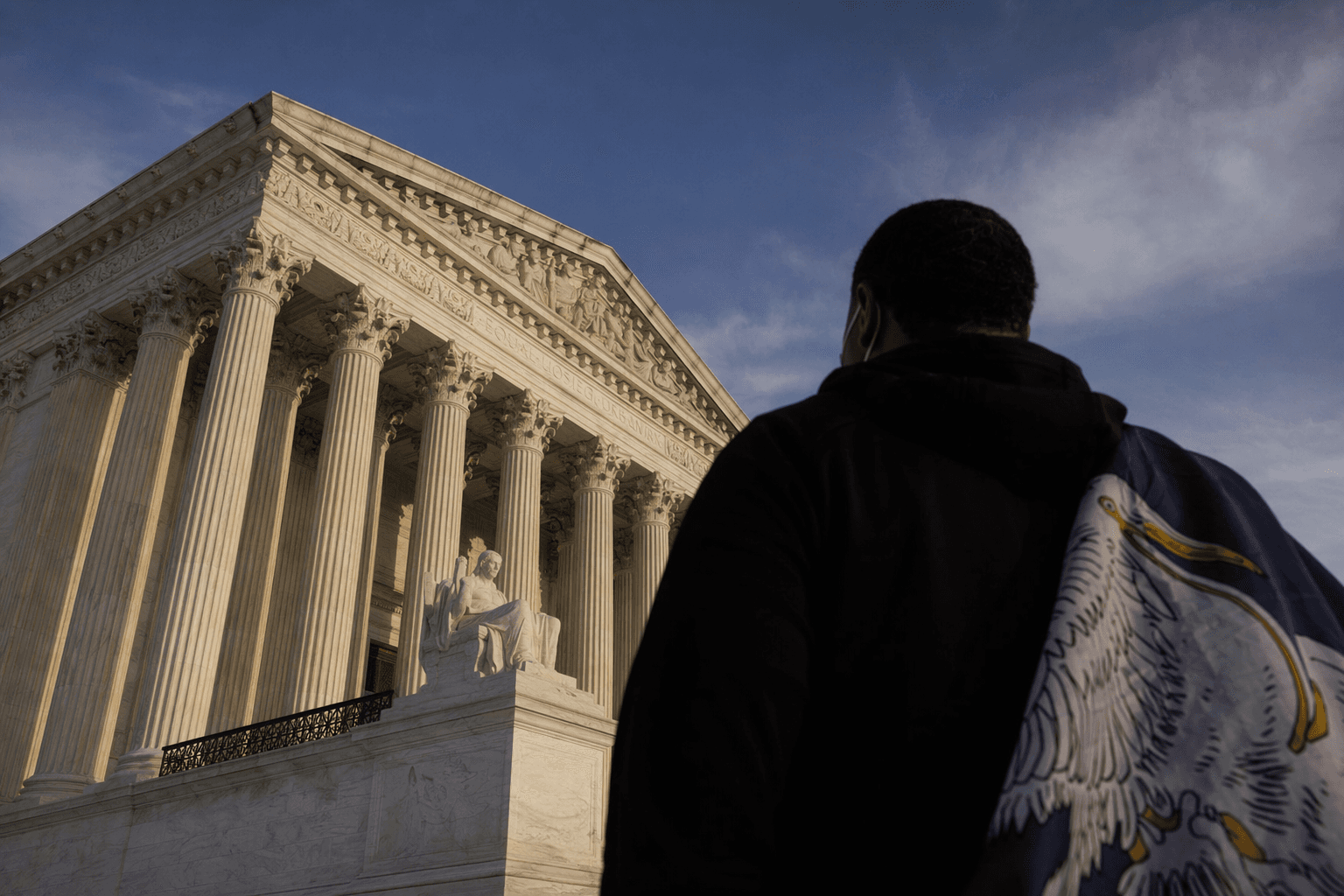
Supreme Court strikes down Louisiana voting map, narrows Voting Rights Act scope
Louisiana lost its second majority-Black congressional district as the Supreme Court narrowed Section 2, raising the bar for minority vote-dilution lawsuits nationwide.
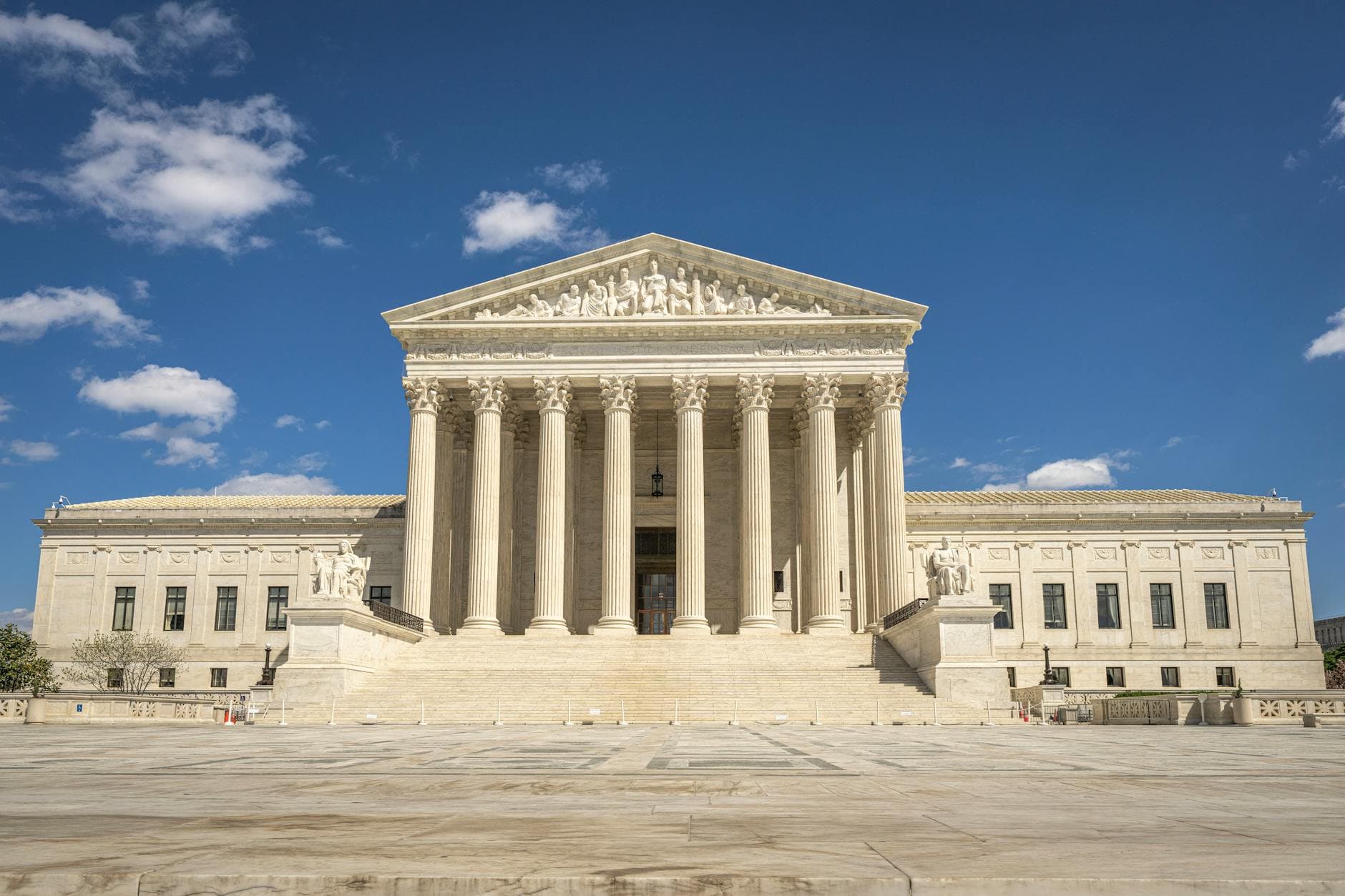
The Supreme Court’s ruling wiped out Louisiana’s SB8 congressional map and made it harder for minority voters to force race-conscious district lines in states far beyond Baton Rouge. In a 6-3 decision, the court held that the Voting Rights Act did not require Louisiana to create an additional majority-minority district, a conclusion that leaves the state’s six House seats and roughly one-third Black electorate at the center of a shrinking legal fight over representation.
Justice Samuel Alito wrote the majority opinion, with Justice Clarence Thomas concurring. Justice Elena Kagan dissented, joined by Justices Sonia Sotomayor and Ketanji Brown Jackson, and warned that the court had effectively “eviscerate[d]” Section 2 and turned it into an “all but dead-letter” protection.
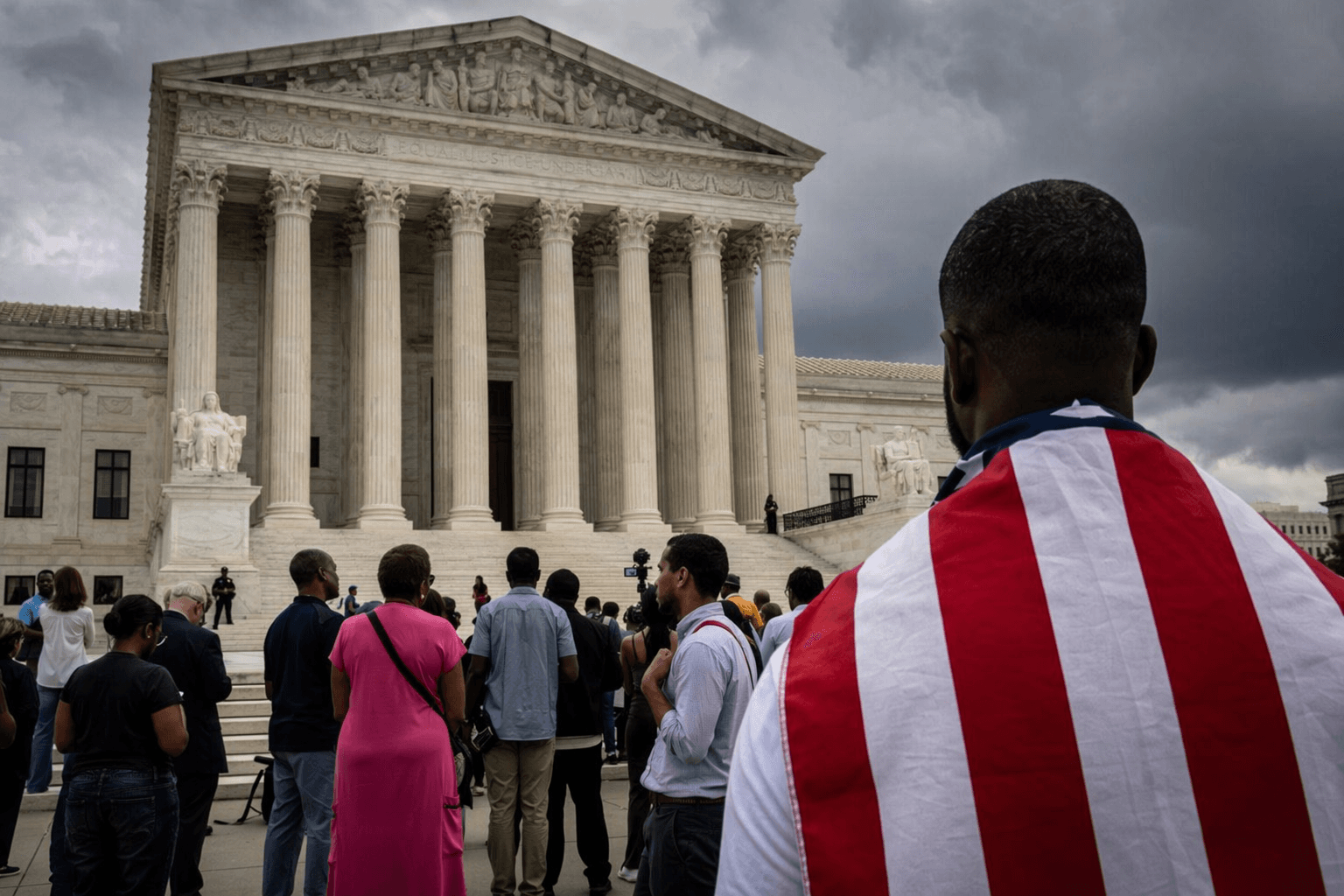
The case came out of a 2022 ruling in Robinson v. Ardoin, when a federal court found Louisiana’s earlier congressional map likely violated Section 2 because it did not include an additional majority-Black district. Louisiana redrew the map, but SB8 was then challenged as a racial gerrymander. The Supreme Court sided with that challenge and said compliance with Section 2 could not justify the state’s use of race in drawing the lines.
That ruling narrows the pathway plaintiffs have used to argue that maps dilute minority voting strength. It also raises the evidentiary bar for future challenges in Louisiana and in other states where majority-minority districts are central to Black and Latino representation in Congress, state legislatures and local election systems. Civil rights groups including the American Civil Liberties Union, the Leadership Conference on Civil and Human Rights and the Legal Defense Fund said the decision weakens the last major nationwide enforcement tool left after Shelby County v. Holder ended the Voting Rights Act’s preclearance system in 2013.
The dispute had already been argued once before the justices re-heard it on Oct. 15, 2025, a sign of how unsettled the court viewed the law around Section 2 and race in mapmaking. The outcome now gives states more room to resist creating extra minority districts, while giving voting-rights plaintiffs a narrower legal route and a harder fight in the redistricting battles that are likely to follow.
Know something we missed? Have a correction or additional information?
Submit a Tip