Supreme Court to weigh skinny-label patent fight over Vascepa
Supreme Court will hear Amarin v. Hikma over skinny-label liability, a decision that could reshape generic access and patent enforcement.
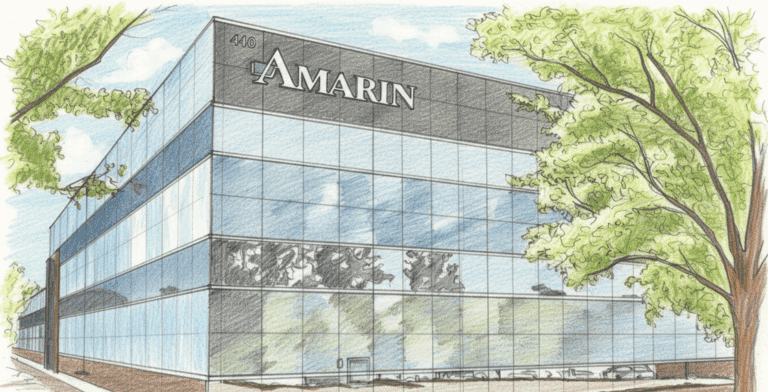
The U.S. Supreme Court agreed on Jan. 16 to hear an appeal in a sharply watched patent dispute between Amarin Pharma and generic maker Hikma Pharmaceuticals that centers on so-called skinny labels, generic approvals that exclude patented uses of a brand-name medicine. The case puts at issue how far a generic manufacturer can be held liable for induced infringement when its product label omits patented indications but public statements or promotion allegedly encourage off-label prescribing.
At the center of the litigation is Vascepa, Amarin’s cardiovascular drug derived from fish oil and approved by the U.S. Food and Drug Administration to lower so-called "bad" cholesterol and reduce the risk of cardiovascular disease. Vascepa is Amarin’s only product, and the company has accused Hikma of inducing infringement by encouraging physicians to prescribe Hikma’s generic version for uses Amarin says are covered by its patents. Law filings list two patents tied to the dispute: U.S. Patent No. 9,700,537, titled "Composition for preventing the occurrence of cardiovascular event in multiple risk patient," and U.S. Patent No. 10,568,861, titled "Methods of reducing the risk of a cardiovascular event in a subject at risk for cardiovascular disease."
The case reached the high court after the U.S. Court of Appeals for the Federal Circuit revived Amarin’s claims, permitting induced-infringement allegations to proceed. A lower district court had allowed Amarin to press its lawsuit, and Hikma then appealed the Federal Circuit ruling to the Supreme Court. The appeal raises both statutory and doctrinal questions about induced infringement, the legal effect of skinny labels, and the role that off-label promotion or other public statements should play in assigning liability.
Hikma has argued that the appeals court’s approach was overly expansive, warning of broad consequences for the generics market. "As a practical matter, any branded pharmaceutical company can now point to some public statement by the generic-drug manufacturer to justify a post-launch suit alleging induced infringement, even when the generic product is labeled only for unpatented uses," the company said in its filings. Hikma also welcomed the Supreme Court’s decision to review the matter, calling it "important to all Americans who need access to affordable high-quality generic medicines" and saying it was "pleased and encouraged" by the court’s agreement to hear the appeal.

The case has drawn attention beyond the commercial parties. The current U.S. administration filed a position supporting Hikma’s appeal, arguing that the Federal Circuit’s ruling "subverts Congress’s balance between competing interests." That intervention frames the dispute as a question of broader public policy: whether courts should allow expansive induced-infringement theories that could deter generic entry and affect drug prices and patient access.
The outcome will be watched by branded and generic manufacturers, health systems, and patient advocates. A decision for Amarin could empower patent holders to press post-launch suits based on public statements and other evidence of encouragement, potentially chilling some generic activity. A ruling for Hikma could reinforce the skinny-label framework that allows generics to enter markets for unpatented uses with reduced liability exposure.
The Supreme Court’s acceptance opens the usual briefing and argument schedule; the justices will determine the precise questions they will decide. Law firms representing the parties include Perkins Coie and Winston & Strawn, and the case implicates commercial and public-health interests across borders, given the international footprints of both Amarin and Hikma and the transnational dynamics of drug markets.
This article was produced by Prism’s automated news system from verified source data, official records, and press releases, then run through automated quality and moderation checks before publishing. The system is built and supervised by the people who set the standards it runs under. Read our full AI policy.
Did this article answer your question?

