Supreme Court weighs Trump bid to fire Fed governor Lisa Cook
Donald Trump’s bid to fire Lisa Cook put the Fed’s independence on trial, with mortgages, jobs and inflation hanging over the court fight.
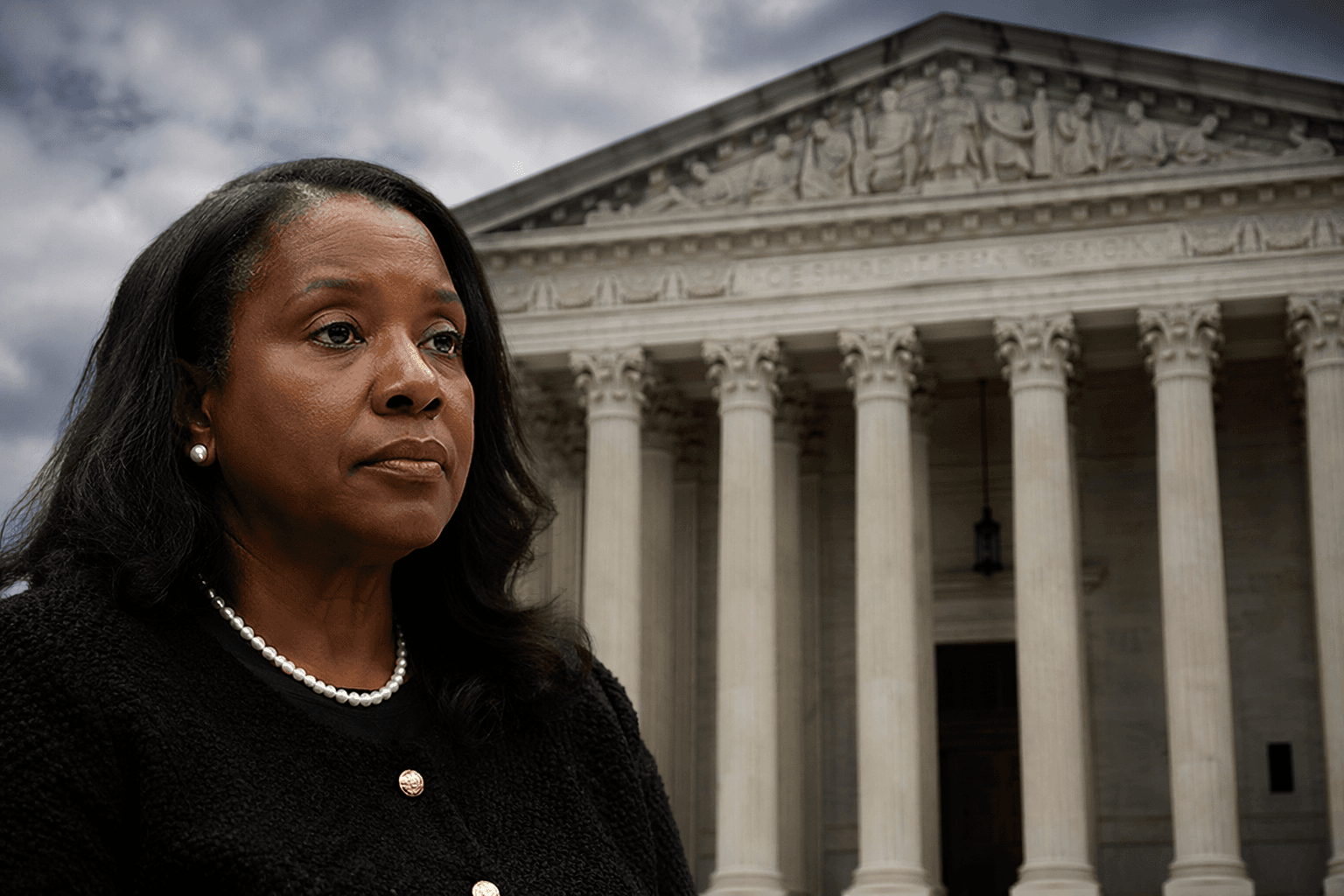
The Supreme Court is weighing whether Donald Trump can remove Federal Reserve Governor Lisa Cook before her 14-year term ends, a fight that reaches far beyond one seat on the central bank’s board. Trump tried to fire Cook in August 2025 over allegations that she misrepresented two properties as her primary residence on mortgage applications. Cook has denied wrongdoing and said the accusations were politically motivated.
The case, Trump v. Cook, reached oral arguments in the Supreme Court on January 21, 2026, after lower courts blocked the firing and the justices allowed Cook to remain in office while the litigation moved forward. The Federal Reserve Act says governors serve staggered 14-year terms and can be removed only “for cause,” but the law does not define that term. The D.C. Circuit rejected an emergency appeal before the September 2025 Fed meeting, leaving Cook in place as the dispute intensified.
At stake is whether a president can remove a Fed official over policy or other disagreements, a question that could reshape how independent the central bank really is. The answer matters in Washington and far beyond it: Fed decisions help set the cost of mortgages, shape hiring plans and influence inflation expectations. If the court opens the door to firings based on disputed cause, markets could begin pricing in political pressure long before any final legal doctrine settles.
Jerome Powell underscored that risk in Boston on May 31, 2026, when he said the Fed was undergoing a political “stress test” that could undermine public trust in the central bank and damage the U.S. economy. Speaking at the John F. Kennedy Library Foundation after receiving the Kennedy Profile in Courage Award, Powell said Congress wisely insulated monetary policy from political pressure and warned that if one administration finds a way to remove Fed officials over policy differences, future administrations will do the same. He also said other advanced economies use similar protections.

The pressure on the central bank has widened this year. In early 2026, the Justice Department opened a criminal investigation into Powell over his testimony to Congress about cost overruns in a Federal Reserve building renovation, described as the first criminal probe of a Fed chair in the central bank’s 113-year history. Powell denied wrongdoing and said the investigation was intended to influence Fed policy. He stepped down as Fed chair in 2026 but remains on the board of governors as the court considers whether the White House can reach into the Fed itself.
This article was produced by Prism’s automated news system from verified source data, official records, and press releases, then run through automated quality and moderation checks before publishing. The system is built and supervised by the people who set the standards it runs under. Read our full AI policy.
Know something we missed? Have a correction or additional information?
Submit a Tip