Suspected hantavirus outbreak kills three aboard cruise ship off Cape Verde
Three people died aboard the MV Hondius as a suspected hantavirus cluster left 147 passengers and crew confined off Cape Verde. Health crews raced to evacuate the critically ill.

How does a deadly outbreak unfold aboard a modern expedition cruise ship, and what protections for passengers and crew failed to hold? On the MV Hondius, the answer has become a grim lesson in how quickly a leisure voyage can turn into a containment operation when a rare virus appears in a confined, remote setting.
The ship was left drifting off Cape Verde with nearly 150 people largely confined to cabins, while medical crews in protective gear moved through deserted decks and empty common areas. The vessel carried 147 people in all, 88 passengers and 59 crew members from 23 nationalities, after departing Ushuaia, Argentina, on April 1 for a route that included Antarctica, South Georgia, Nightingale Island, Tristan da Cunha, Saint Helena and Ascension Island.
By May 4, health authorities had identified seven cases on board: two laboratory-confirmed hantavirus infections and five suspected cases. Three people had died, one patient was critically ill, and three others had mild symptoms. Illness onset among the cases fell between April 6 and April 28, suggesting the outbreak developed over the course of the voyage rather than in a single moment.
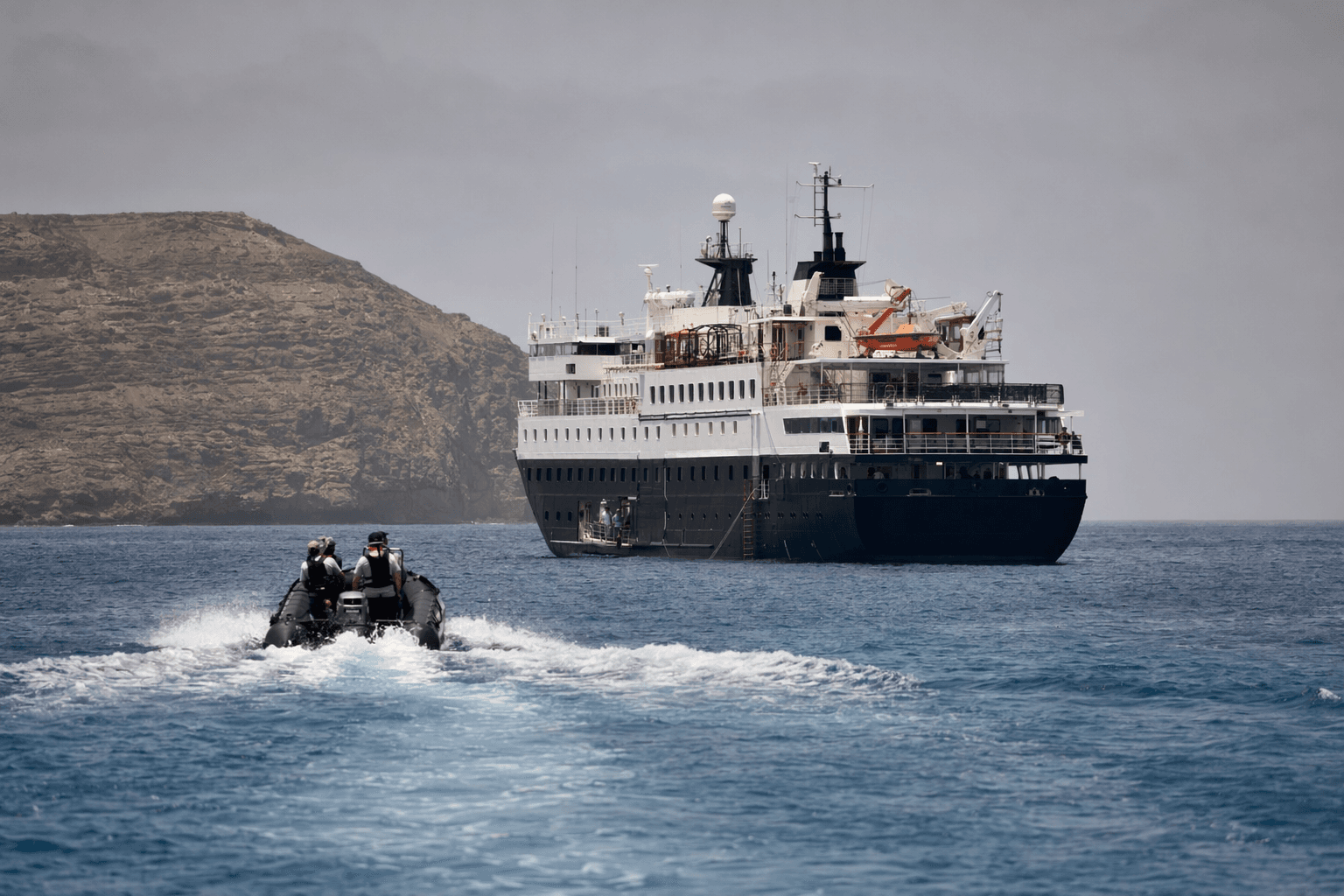
The World Health Organization said the global public-health risk remained low, but the event exposed how vulnerable shipboard travel can be when illness emerges far from a major port. Hantavirus is usually acquired through contact with infected rodents’ urine, feces or saliva, though limited person-to-person spread has been reported in previous Andes virus outbreaks. Investigators were still weighing whether the ship itself was the source of exposure or merely the place where the illness surfaced.
South Africa’s Department of Health said the first patient, a 70-year-old man, developed fever, headache, abdominal pain and diarrhea, then died after reaching St. Helena. The second, a 69-year-old Dutch woman, died after collapsing at OR Tambo International Airport in Johannesburg. The third, a British national, tested positive for hantavirus and remained in critical condition in isolation after being evacuated to a private hospital in Sandton.
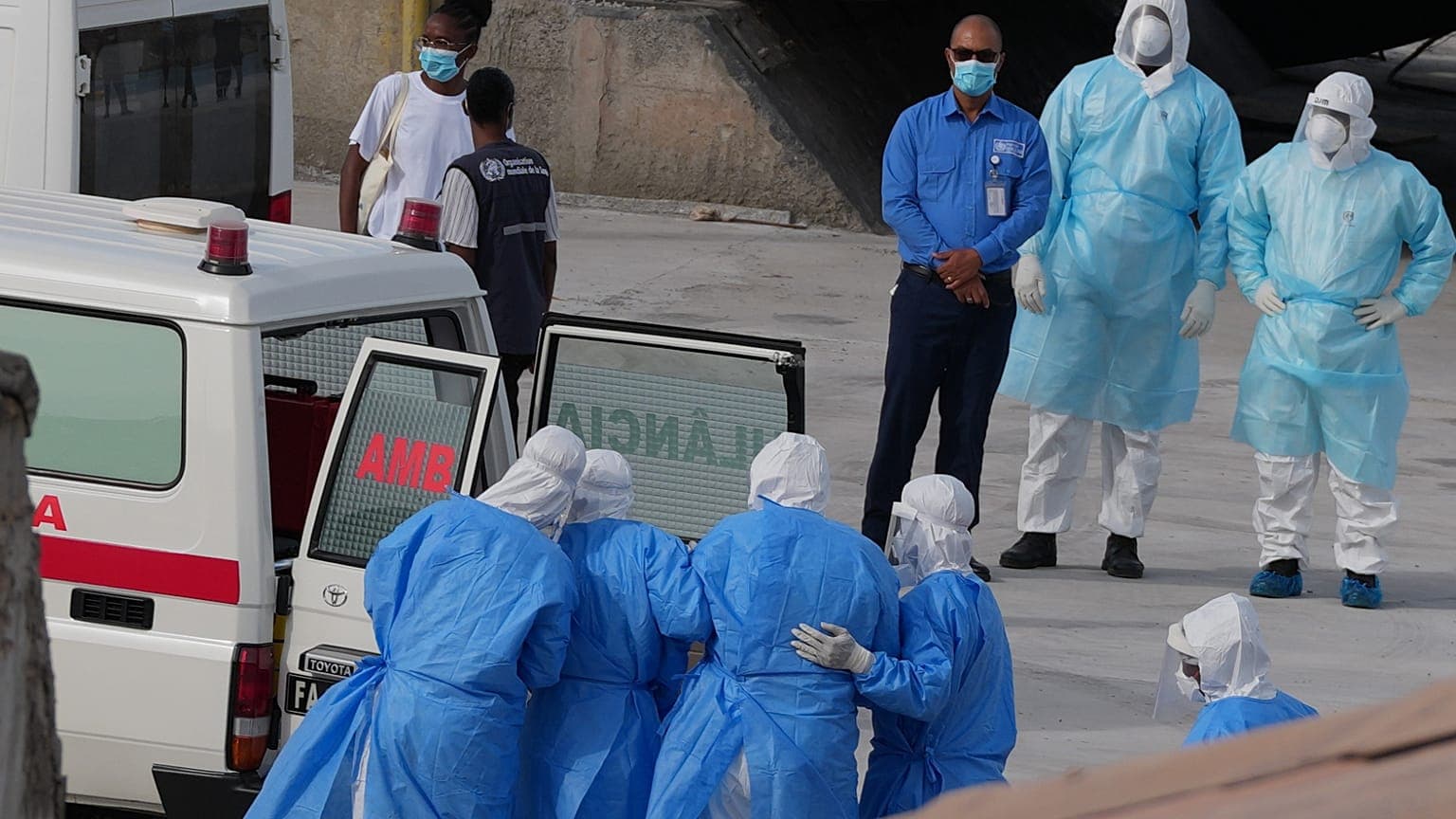
Oceanwide Expeditions said two crew members still required urgent medical care and that preparations for medical evacuation were underway. By May 6, three people, including the ship’s doctor, were being flown to the Netherlands for treatment, and the vessel was preparing to head toward Spain’s Canary Islands.
The broader public-health concern reaches beyond one ship. In 2025, the Pan American Health Organization recorded 229 hantavirus pulmonary syndrome cases and 59 deaths in the Americas through epidemiological week 47, with Argentina reporting the most cases. That backdrop has sharpened attention on rodent exposure, close-contact transmission risks and outbreak planning for remote maritime travel, where isolation can be immediate and help can be far away.
Know something we missed? Have a correction or additional information?
Submit a Tip