Suspected poisonings kill 18 wolves in central Italy park
Eighteen wolves and several other wild animals were found dead in one of Italy’s key wolf strongholds, in a suspected poisoning that may have wiped out an entire pack.
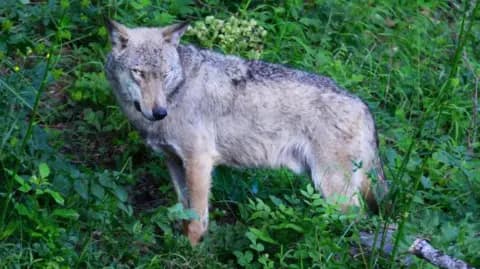
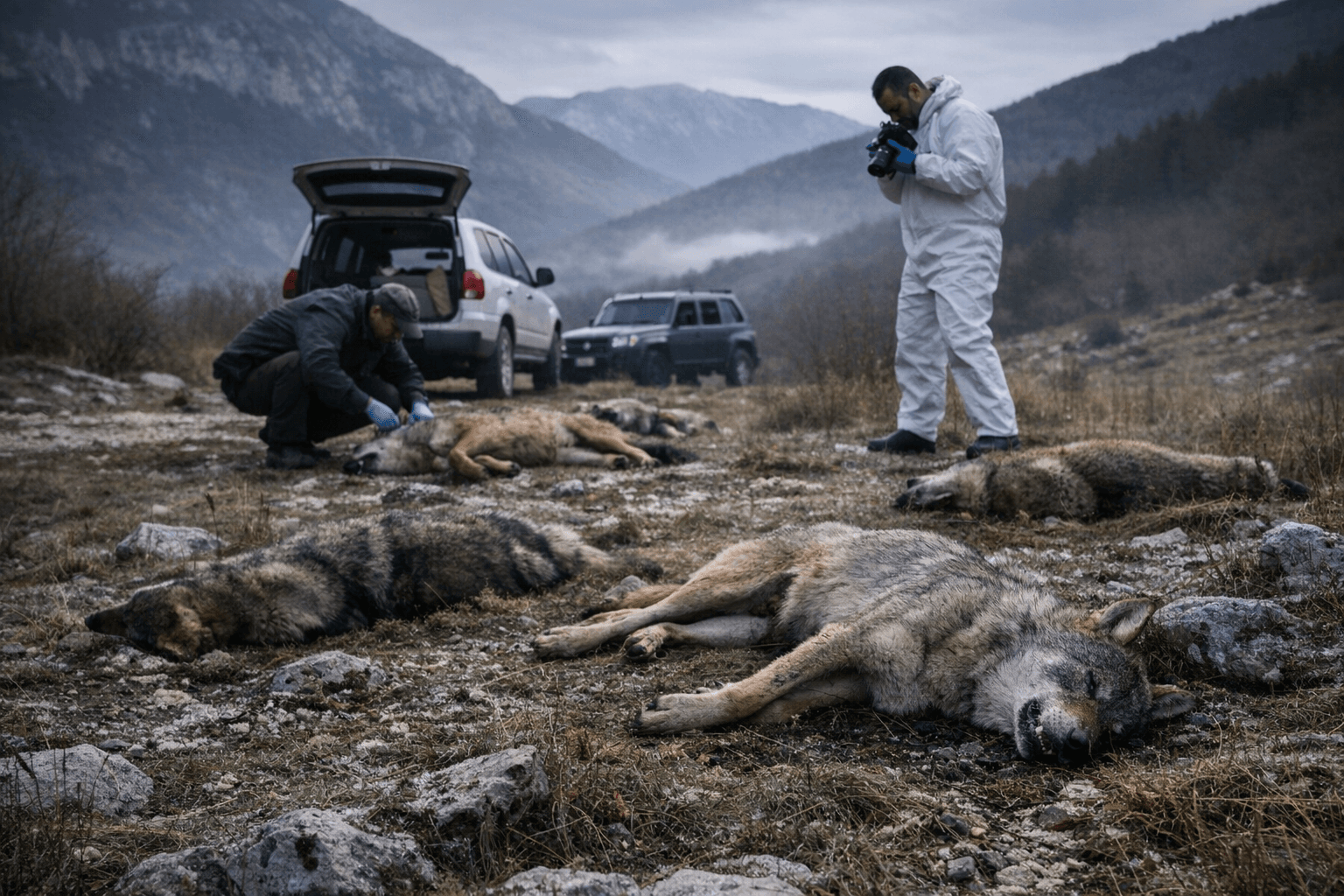
Carcasses of 18 wolves were found across the Abruzzo, Lazio and Molise National Park in central Italy, along with three foxes and a buzzard, in a case investigators are treating as suspected poisoning. The dead animals were discovered in a protected mountain area that stretches across Abruzzo, Lazio and Molise, a landscape that has become one of the country’s most important refuges for wolves after decades of decline.
The first 10 wolves were found last week, with five carcasses recovered in Alfedena and five in Pescasseroli. In the days that followed, another eight wolf carcasses were located in other parts of the park, including areas around Pescasseroli, Bisegna and Barrea. Italian prosecutors opened a case into the illegal killing of wild animals, and investigators said early studies pointed to poison while they worked to identify the substance used.
Park director Luciano Sammarone warned that if one of the dead groups was an entire pack, the ecological consequences would be wide-ranging. That concern goes beyond the immediate loss of individual wolves. Poisoned bait can kill far more than the intended target, turning carcasses into traps for foxes, birds of prey, domestic dogs and other protected species, and making these crimes especially hard to detect before the damage spreads.
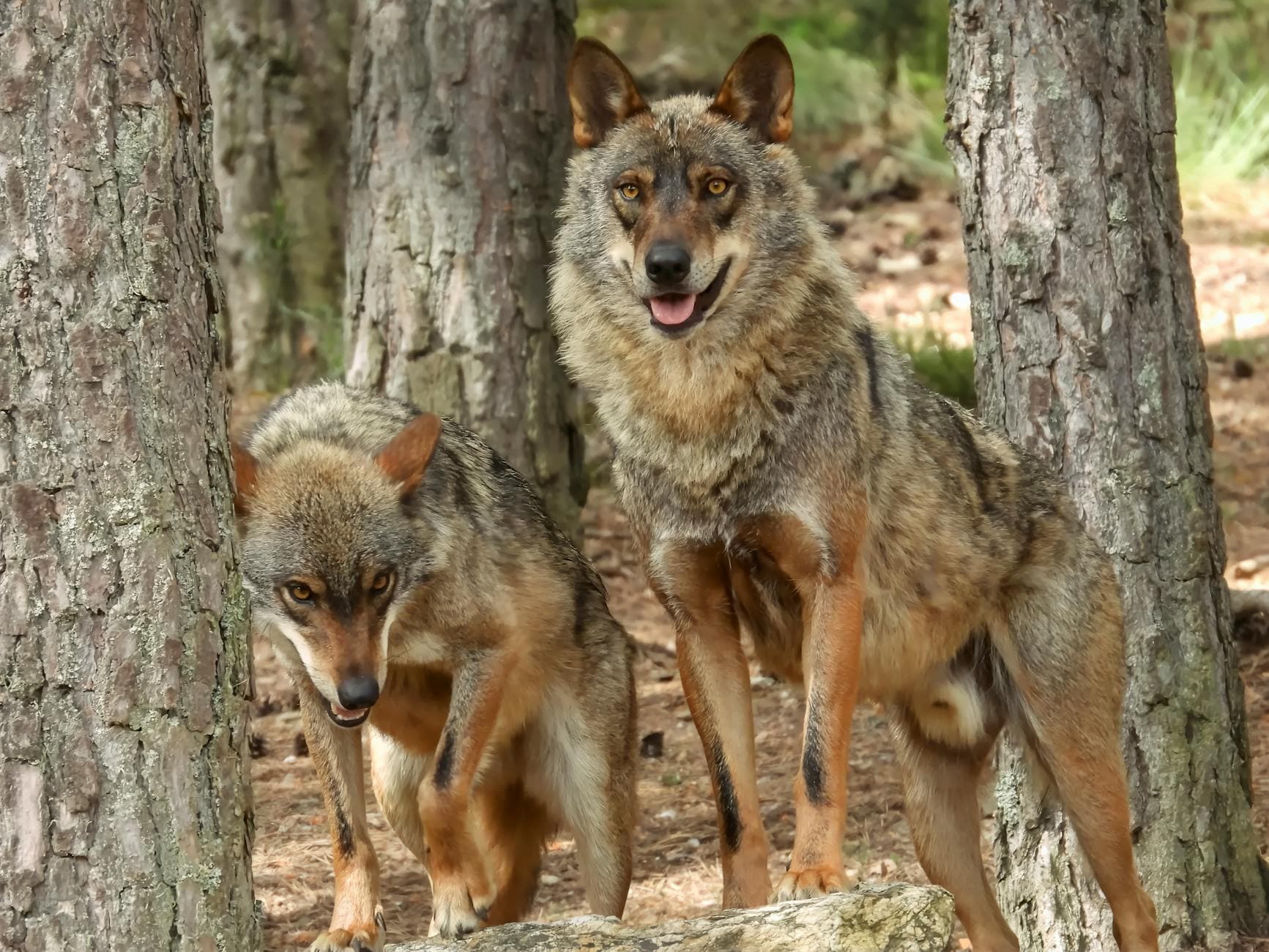
The killings carry particular weight in Italy, where wolves were hunted almost to extinction by the 1970s before receiving official protection. The national population is now estimated at about 3,500 animals, out of roughly 20,000 wolves across the European Union, according to Italy’s national environmental institute, ISPRA. That recovery has been built slowly in places like the Abruzzo, Lazio and Molise National Park, which is considered a key stronghold for the species in the Apennines.
Conservation groups have described the episode as one of the worst attacks on wildlife in Italy in years, and some have called it among the gravest in the country’s history. The scale of the losses has underlined how vulnerable predator recovery remains in areas where illegal poisoning can erase years of conservation work in a matter of days.
This article was produced by Prism’s automated news system from verified source data, official records, and press releases, then run through automated quality and moderation checks before publishing. The system is built and supervised by the people who set the standards it runs under. Read our full AI policy.
Did this article answer your question?


