Suspected Somali pirates hijack fuel tanker bound for Mogadishu
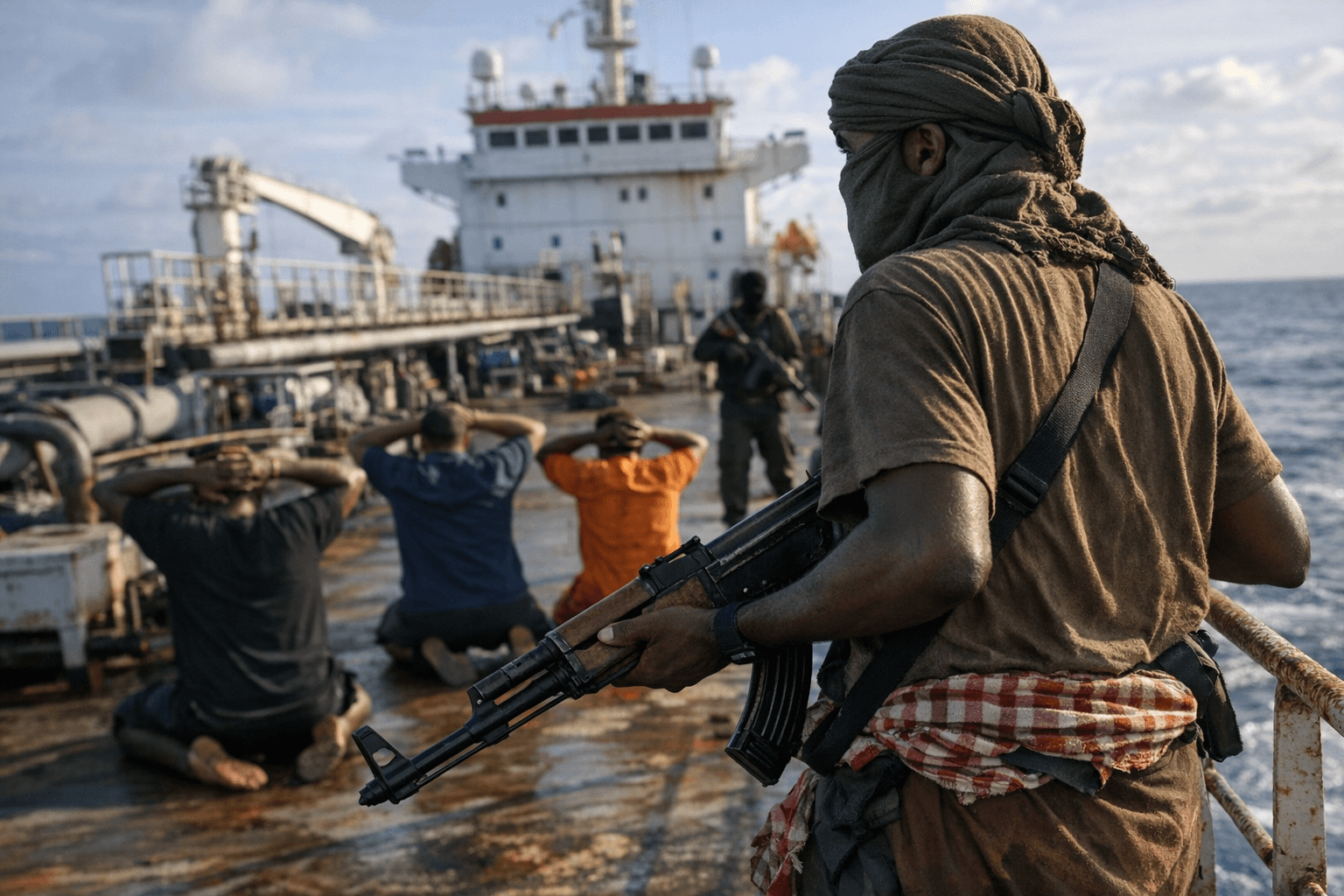
Suspected Somali pirates seized a fuel tanker on the Berbera-Mogadishu route, renewing fears that shipping security off Somalia is fraying again.
A fuel tanker bound for Mogadishu was seized in waters between Hafun and Bandarbeyla in Puntland, a reminder that one of the Horn of Africa’s oldest maritime threats can still interrupt fuel deliveries and rattle global shipping routes. A Puntland Maritime Police Force colonel said six armed men from the Bandarbeyla district carried out the hijacking. The vessel had left Berbera and was heading toward Somalia’s capital when it was intercepted.
The ship was described as owned by Pakistani interests and chartered by local businessmen, and it was carrying a large shipment of fuel. Authorities had not verified how many people were on board, and there was no immediate indication of ransom demands. The British military’s United Kingdom Maritime Trade Operations said unauthorized people had taken control of the tanker and were maneuvering it south within Somali territorial waters.
The route matters because vessels moving along Somalia’s coast connect the Indian Ocean, the Red Sea corridor and key trade lanes that feed regional ports and distant markets. A seizure off Puntland can quickly become more than a local security incident, because insurers, shipping firms and government officials all have to price in the possibility of delayed cargoes, crew danger and a prolonged standoff. If the tanker’s fuel cargo is not recovered quickly, the pressure will rise on local authorities in Puntland and Mogadishu to secure both ship and crew before negotiations or a wider security operation begins.
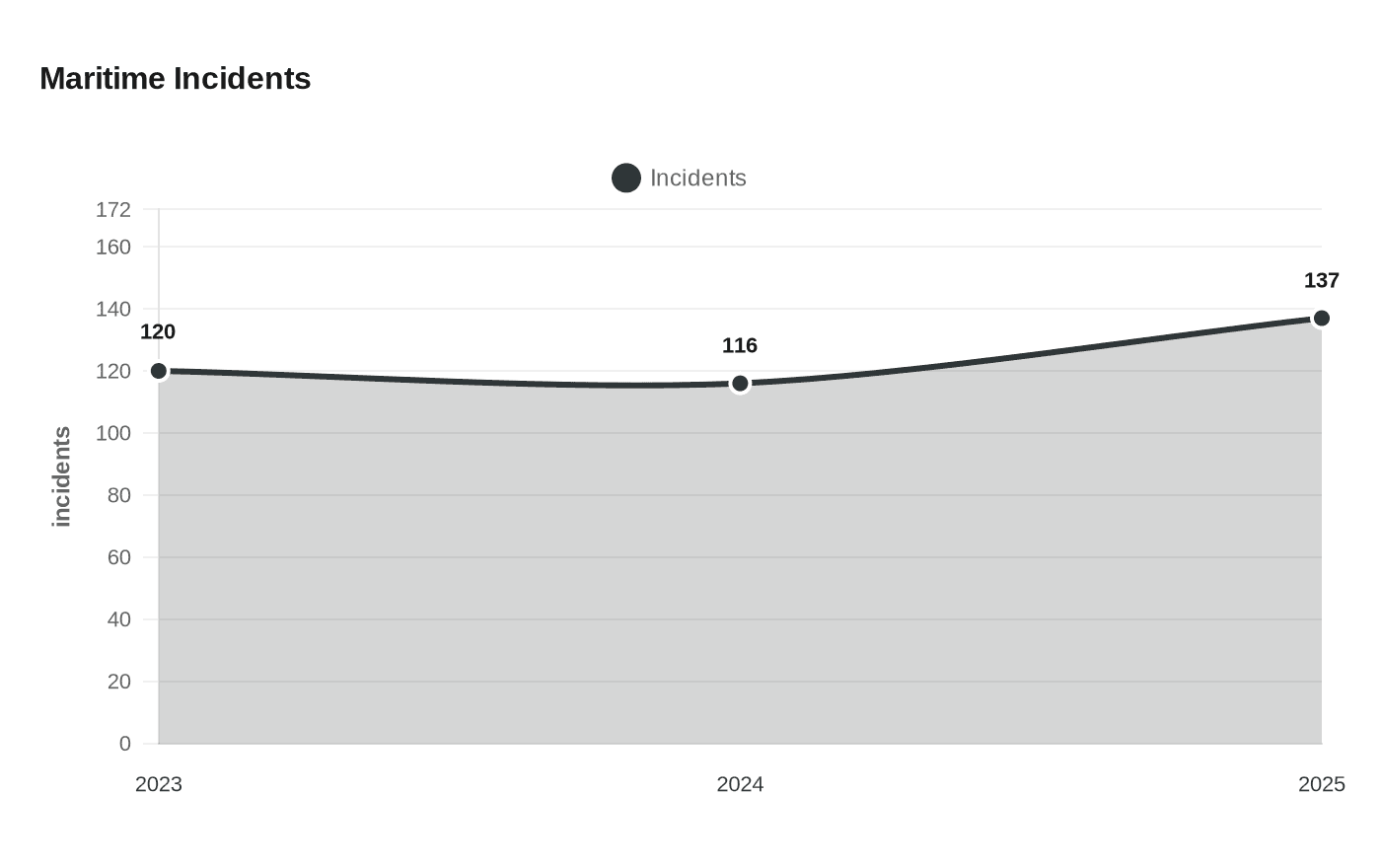
The episode also arrives as maritime security officials warn that piracy has not disappeared, even if it has been pushed back from the peak years off Somalia. The International Maritime Bureau said global maritime incidents rose to 137 in 2025, from 116 in 2024 and 120 in 2023, and that four vessels were hijacked worldwide. The bureau said only a small number of incidents were reported off Somalia in 2025, but two November cases occurred far from shore, showing that Somali pirate groups still had the ability to operate at range. It said sustained naval presence, vessel hardening and best management practices remained important deterrents.
The United Nations says piracy off Somalia requires a coordinated response under the law of the sea, and it established the International Contact Group on Piracy off the Coast of Somalia on 14 January 2009. The World Bank has estimated that more than $400 million was claimed in ransoms between April 2005 and December 2012, a period in which 179 ships were hijacked off Somalia and the Horn of Africa. That history left behind a pirate economy in some coastal areas, and this latest seizure suggests the conditions that once enabled it have not entirely vanished.
This article was produced by Prism’s automated news system from verified source data, official records, and press releases, then run through automated quality and moderation checks before publishing. The system is built and supervised by the people who set the standards it runs under. Read our full AI policy.
Did this article answer your question?