Sweden says Russia is weaker than it looks, warns of lasting threat
Sweden said Russia’s oil economy is strained, not broken, even as nearly half its March seaborne crude moved on sanctioned shadow tankers.
Sweden is warning allies against two mistakes at once: underestimating Russia’s ability to keep hurting Ukraine and NATO, and overestimating the Kremlin’s economic strength. In its 2025 Statement of Foreign Policy, Sweden said it, the EU and NATO were in a long-term confrontation with Russia, and said the government’s top foreign policy priority was support for Ukraine.
That support has already reached roughly SEK 70 billion since Russia’s full-scale invasion began in February 2022, spanning military, humanitarian and civilian aid. The message from Stockholm is blunt: Europe should keep backing Kyiv not because Russia is collapsing, but because Russia is still dangerous even as its economy shows signs of strain.
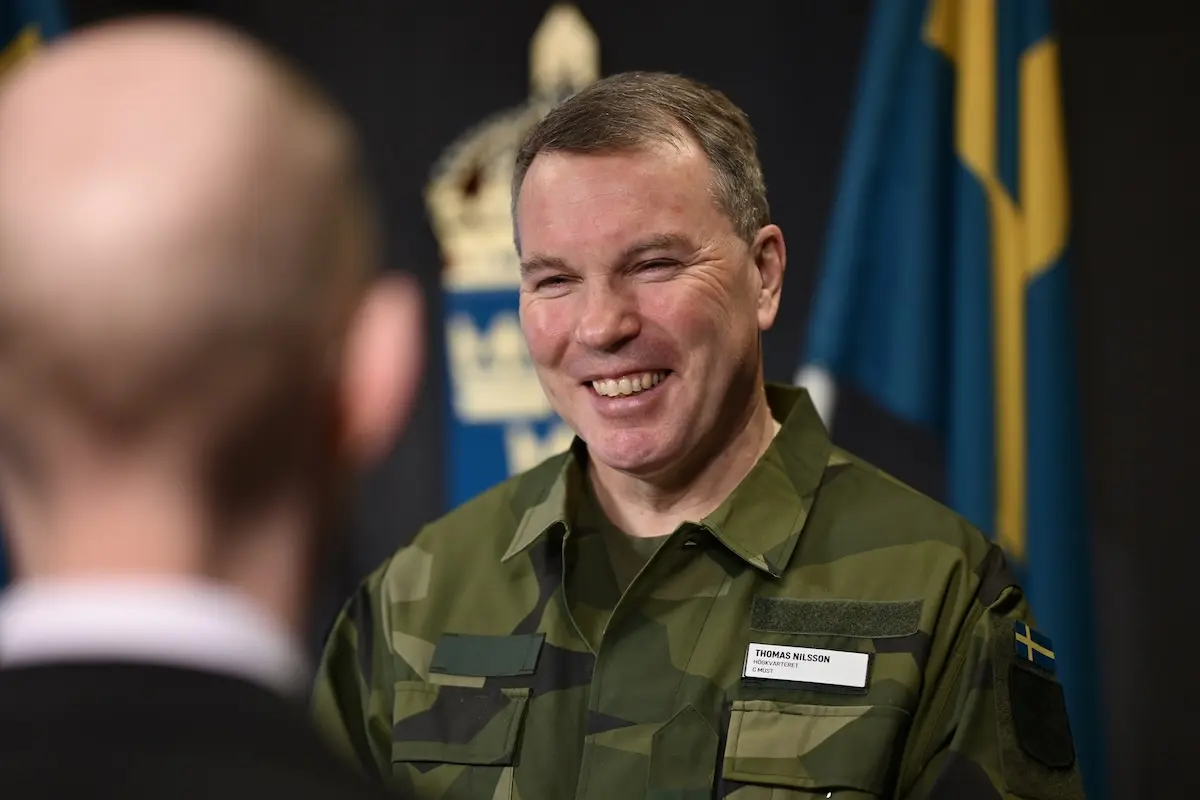
Thomas Nilsson, head of Sweden’s Military Intelligence and Security Service, said Russia’s economy is weaker than official figures suggest. He said the Kremlin faced either long-term decline or a shock, and that Moscow would need Urals oil prices above US$100 a barrel for a year just to cover its budget deficit, with longer pressure needed to solve wider economic problems. Sweden’s intelligence assessment says falling GDP and weak industrial production are being masked by official data to make Russia look more resilient than it really is.
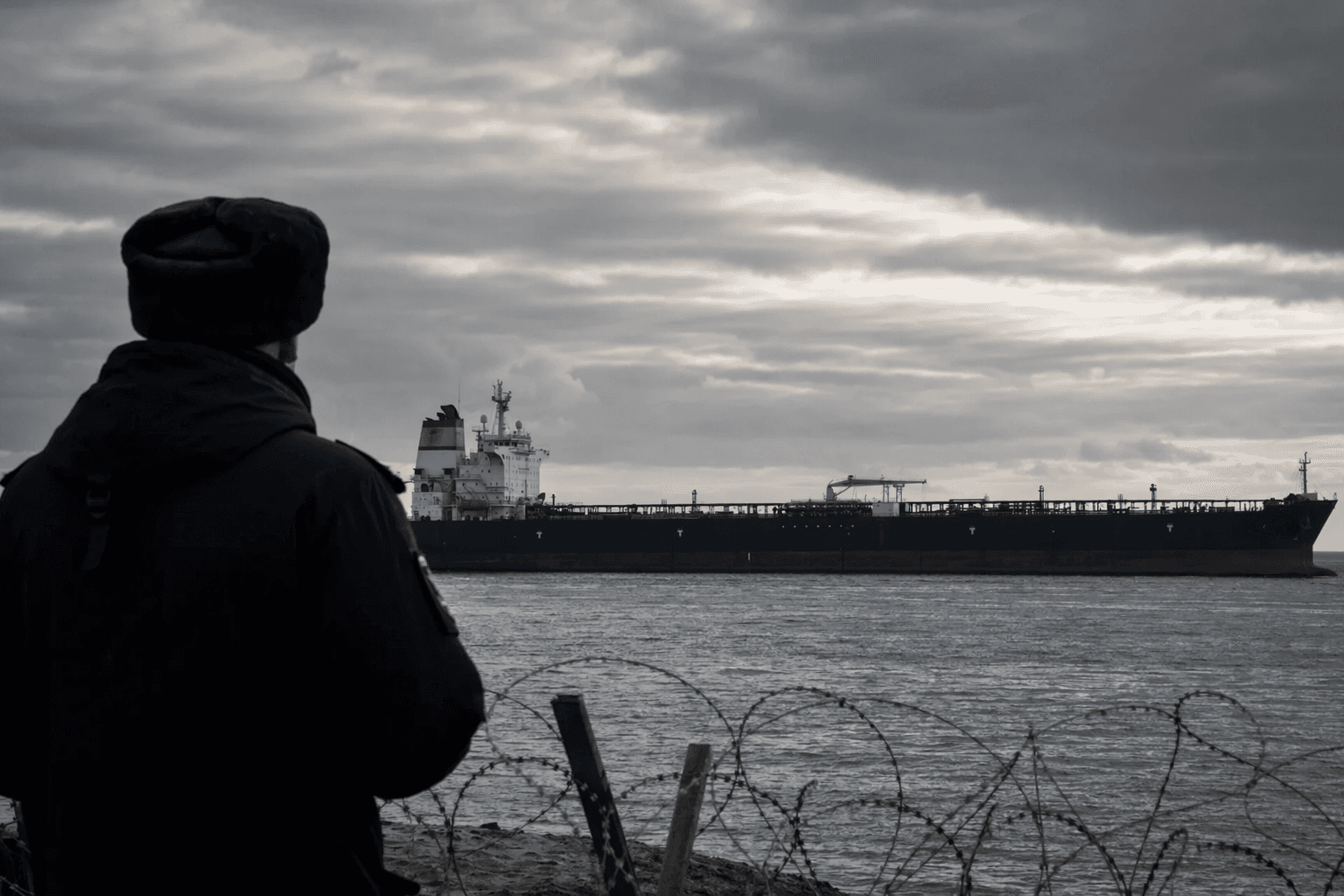
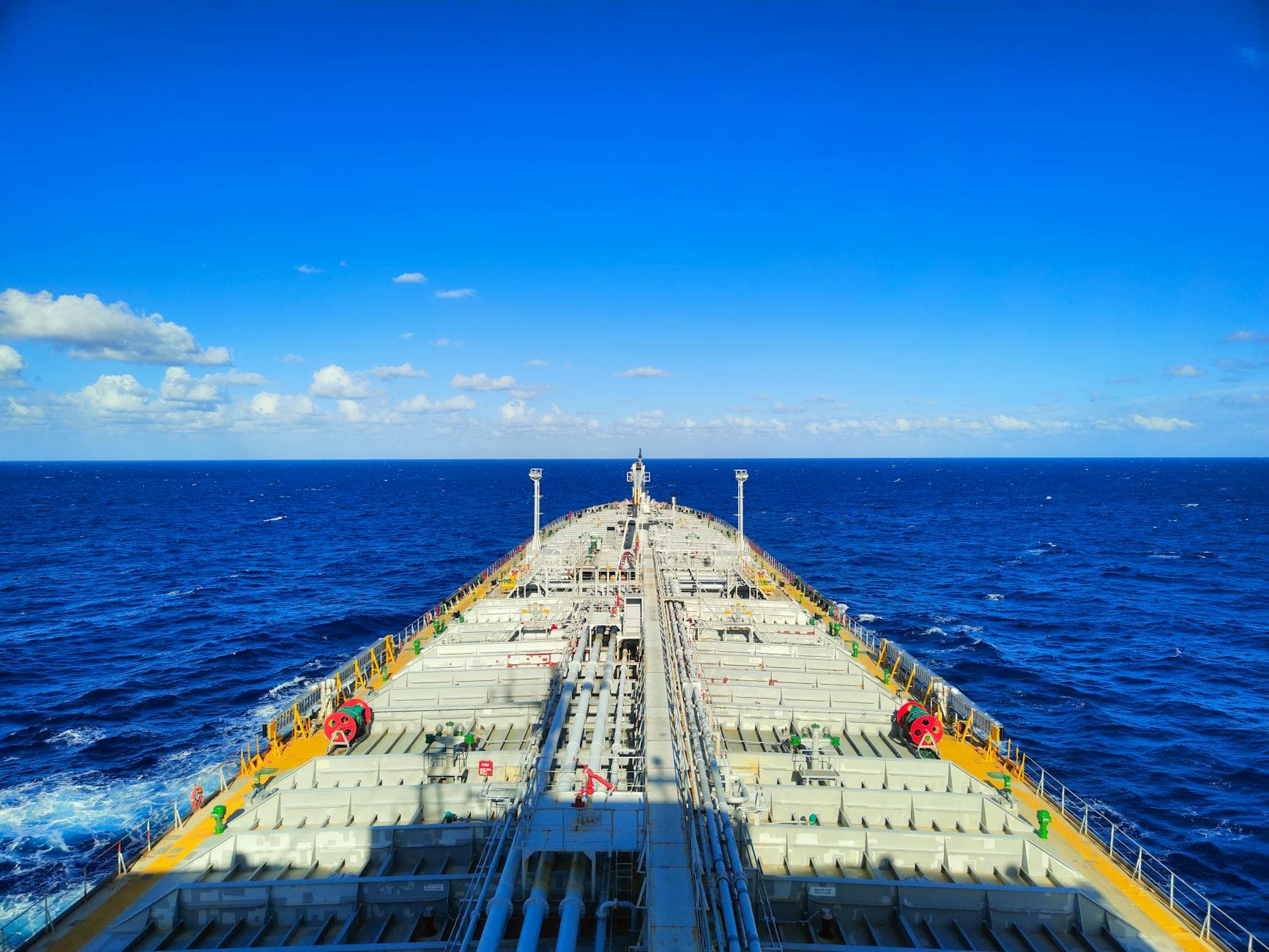
That distinction matters for NATO. A brittle economy can still fund war for a time, especially when energy exports continue to bring in money. In March 2026, almost half of Russia’s seaborne oil was carried by sanctioned shadow tankers, showing how Moscow has kept moving crude despite Western restrictions. The result is a state that is under pressure, but not yet deprived of the cash flow that helps sustain its military machine.
The European Union’s 20th sanctions package, adopted on 23 April 2026, tried to tighten that squeeze. The measures targeted Russia’s energy revenues, the shadow fleet, sanctions evasion, crypto services and sensitive battlefield technology, including additional energy-sector listings and vessel designations. Sweden has pushed for fresh sanctions and argued that Europe must keep increasing pressure on Moscow rather than assume the job is done.
For NATO planners, the policy choice is immediate. If Russia is merely strained, sanctions still matter because they can deepen the gap between military ambition and economic capacity. If Russia is brittle, then arms support for Ukraine and stronger Nordic and allied defense planning become even more urgent, because a cornered Kremlin may be more dangerous before it is weaker. Sweden’s argument is that both can be true at once, and NATO should act accordingly.
Know something we missed? Have a correction or additional information?
Submit a Tip