Taiwan warns China poses real threat as Trump-Xi summit looms
Taiwanese residents said they oppose Beijing’s government, not its people, as Xi warned Trump that mishandling Taiwan could trigger conflict.
In Taipei, the message from the street was blunt: many Taiwanese reject China’s government and its communist system, but not the Chinese people. That distinction now sits at the center of a fight over sovereignty and democratic legitimacy as Taiwan became a flashpoint in the Trump-Xi summit in Beijing, where Xi Jinping warned Donald Trump that mishandling the Taiwan issue could lead to clashes and conflict.
The summit on May 14-15, 2026 was Trump’s first trip to China as president since 2017 and the first U.S.-China leader meeting in Beijing in nearly a decade. Chinese state media said Xi called Taiwan the most important issue in China-U.S. relations. The warning underscored how the island, a self-governed democracy of roughly 23 million people, has become the sharpest test of whether Beijing or Washington will define the rules that govern Asia’s security.
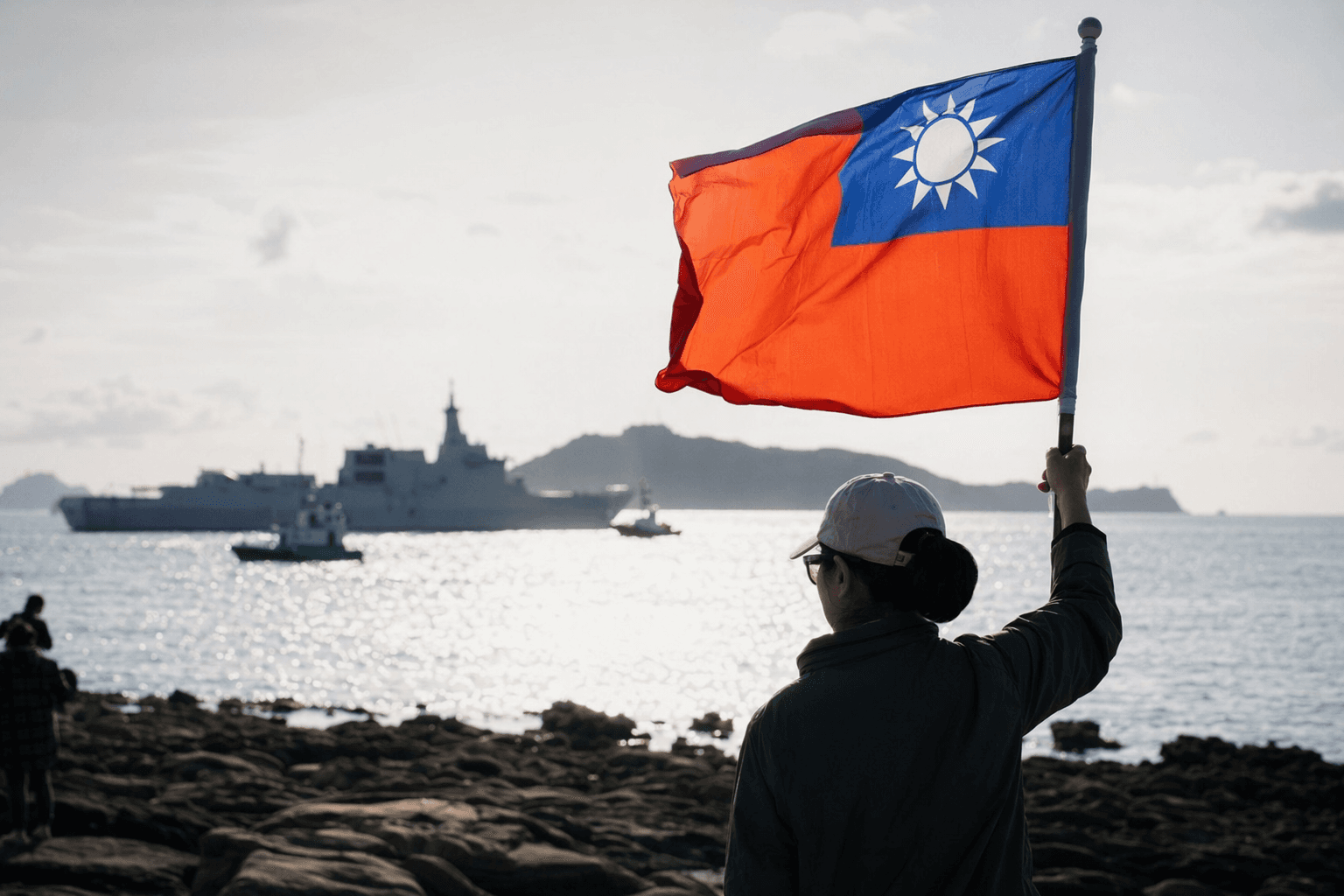
Taiwan’s government responded by saying nothing surprising came out of the talks, but it pushed back hard on Beijing’s actions. Officials in Taipei said China’s military pressure on the island remains the real threat to peace. Taiwan Foreign Minister Lin Chia-lung had earlier said Taipei hoped there would be no surprises on Taiwan-related issues during Trump’s China trip, a sign of how closely the island watched the summit and how little room it sees for ambiguity when Chinese forces and rhetoric keep building.
In Washington, U.S. Secretary of State Marco Rubio said Taiwan was discussed and that the United States restated its position before moving on. That calm public line did little to ease concern in Taipei, where ordinary people often describe democracy as something fragile and worth defending against coercion. In that view, the contest is not abstract ideology. It is about whether a small democracy can keep its voice when a far larger authoritarian power claims the right to decide its future.
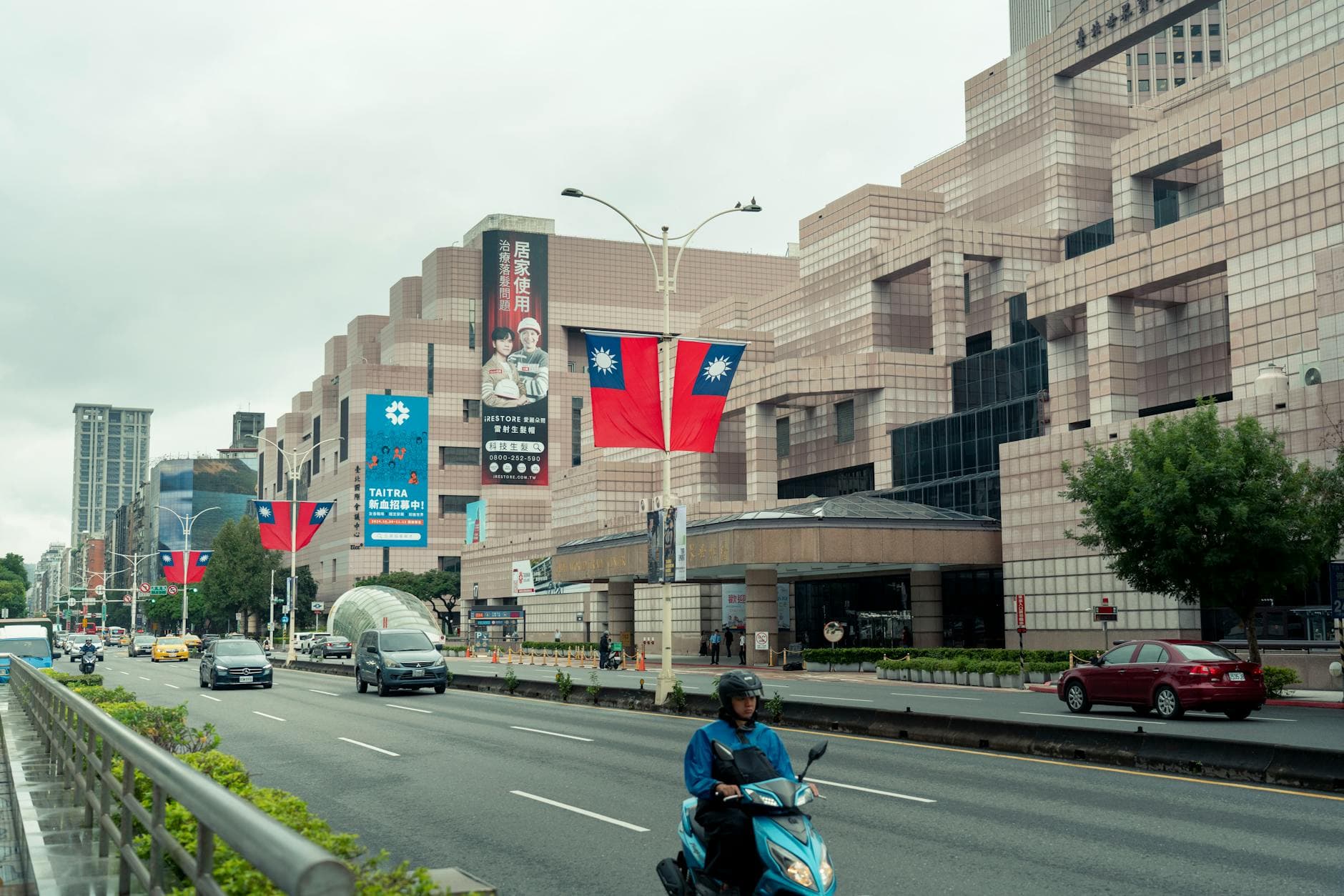
The stakes extend beyond Taiwan’s shores. Control of the Taiwan Strait, the balance of power across the Indo-Pacific, and the credibility of democratic governance all hang over the dispute. For Taiwanese families, workers and students, the fear is not only war. It is the steady pressure of living under a neighboring power that treats their political system as a problem to be solved, rather than a reality to be respected.
Know something we missed? Have a correction or additional information?
Submit a Tip