Taiwan’s woodworking machinery surge boosts efficiency, sustainability for turners
Taiwan logged USD 424 million in woodworking machinery exports for 2024, ranking fourth worldwide and signaling new energy-efficient, data-driven tools that matter to woodturners and small shops.

Taiwan’s woodworking machinery industry reached a turning point in 2024, exporting USD 424 million and claiming the position of the world’s fourth-largest exporter. That scale reflects decades of precision machining know-how in central Taiwan and a shift toward tightly integrated production across forestry, automation, and furniture making. For woodturners, the result is more efficient mills, smarter supply chains, and machinery choices that reduce waste and shop energy use.
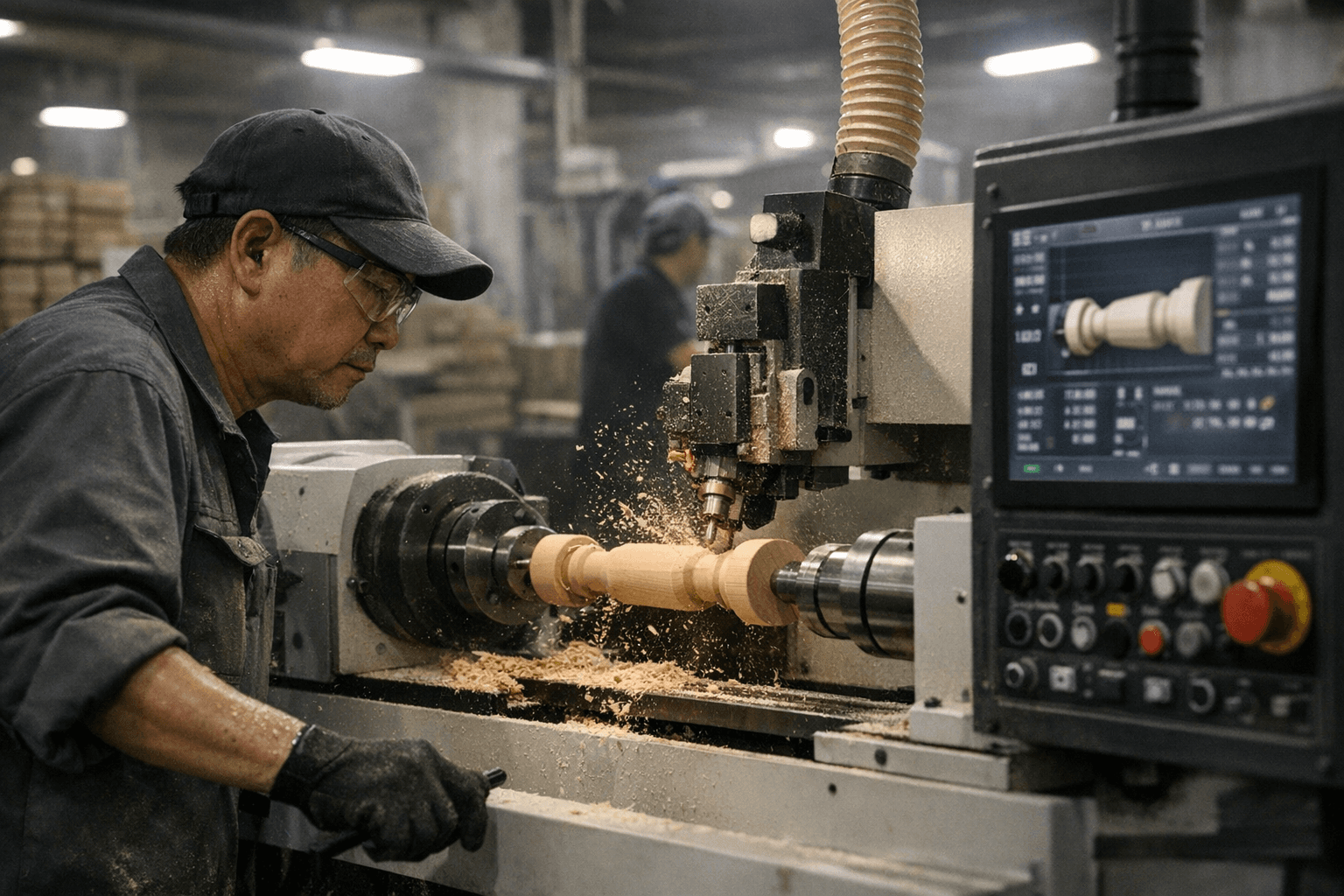
Manufacturers are centering new development on three drivers: digital connectivity, sustainable production, and engineered wood. Anderson Group’s response to market pressure for flexibility and speed is the EXXACT PRO IPT, a 4-axis CNC machining router built around a dual-spindle integrated architecture. The two spindles can run independently or in sync, and Anderson’s AGMVP interface enables automatic positioning to cut setup and pre-production time. Ergonomic touches matter to turners too: the raised worktable at 880 mm makes loading blanks and billets easier, while a visualized interface shortens the learning curve for latheside allies moving into CNC-assisted hollow forms and complex turning projects.
Energy efficiency is a practical headline. Anderson put a DC permanent-magnet spindle and a high-efficiency servo system into the EXXACT PRO IPT and reports up to 20 percent energy savings in processing. Those gains contributed to Anderson becoming Taiwan’s first company to obtain ISO 14955 Green Machine Tool Certification in 2025. For a small-shop turner, that translates into lower operational costs when sourcing millwork, and a clearer path to buying blanks from suppliers focused on greener production.
Data-driven systems are changing mill workflows, not just machinery. Joe Chang, honorary chairman of the Taiwan Woodworking Machinery Association and chairman of Kuang Yung Machinery, points to real-time production data as the enabler of measurable gains in material yield and process control. Kuang Yung’s MRS series rip saws use scanning optimization with sensors and image processing to map wood contours, and laser-guided adjustment positions cuts to avoid defects. The CFS series cross-cut saws detect marked defects and calculate layouts that maximize usable length. Combined, these systems raise yield, stabilize quality, and reduce waste - practical advantages that mean better-priced, higher-quality turning blanks and less lost grain.
The next place to see these developments in person will be WOOD TAIWAN, held April 23–26, 2026 at the Taipei Nangang Exhibition Center. Anderson, Leadermac, Jun Shiau, and Kuang Yung will show integrated systems that matter to studio turners and small mills alike.
What this means for you: expect a steady flow of better-optimized blanks, more energy-conscious suppliers, and machines with ergonomics and interfaces that lower the barrier to CNC-assisted turning. Watch for adoption of engineered-wood solutions and data-driven yield tools at the show and in your local supply chain - those trends will shape what you can buy and how much wood you get from each log.
Sources:
Know something we missed? Have a correction or additional information?
Submit a Tip