Takaichi eyes suspension of 8% food tax as election sweetener
Japan’s prime minister is weighing a temporary suspension of the 8% consumption tax on food to bolster support ahead of a likely February snap election; the plan carries a multibillion-dollar fiscal cost.

Prime Minister Sanae Takaichi is weighing a campaign pledge to suspend the 8 percent consumption tax on food, a move designed to shore up voter support ahead of a likely February snap general election. The proposal, still under consideration, would either temporarily suspend or exempt food purchases from the levy and could extend to beverages under some formulations of the plan.
The measure is estimated to reduce government revenue by roughly 5 trillion yen annually. Reported currency equivalents place that shortfall at about $30 billion, S$40.6 to S$40.7 billion, or roughly RM150 billion. The government and ruling Liberal Democratic Party will assess market impacts and fiscal trade offs before deciding whether to adopt the pledge and how long any exemption would run; some versions under discussion call for a two-year exemption while others frame it as a shorter suspension tied to the election period.
Takaichi, who became prime minister after an overhaul of the governing coalition in October 2025, has previously supported cutting the sales tax on food. Her ascent followed a coalition pact with the Japan Innovation Party, and the tax proposal is being viewed inside political circles as a central element of an effort to build a fresh electoral mandate for what she has described as aggressive but responsible fiscal policy.
Preparations for a snap dissolution of the lower house are under way, with two lawmakers in the ruling party indicating a potential election date of February 8. The timing and exact legislative design remain fluid, and officials said market reactions will factor heavily into the government’s decision making.
Financial markets have already shown sensitivity to speculation about the tax move and the election. The yen weakened against the U.S. dollar in early January, Japanese government bond yields rose, and equity indices climbed to record levels on heightened expectations of near-term fiscal expansion. Those price moves reflect investor assessments of the scale and permanence of any spending or tax relief, and raise the prospect that a formal pledge could further test conditions in currency and sovereign bond markets.
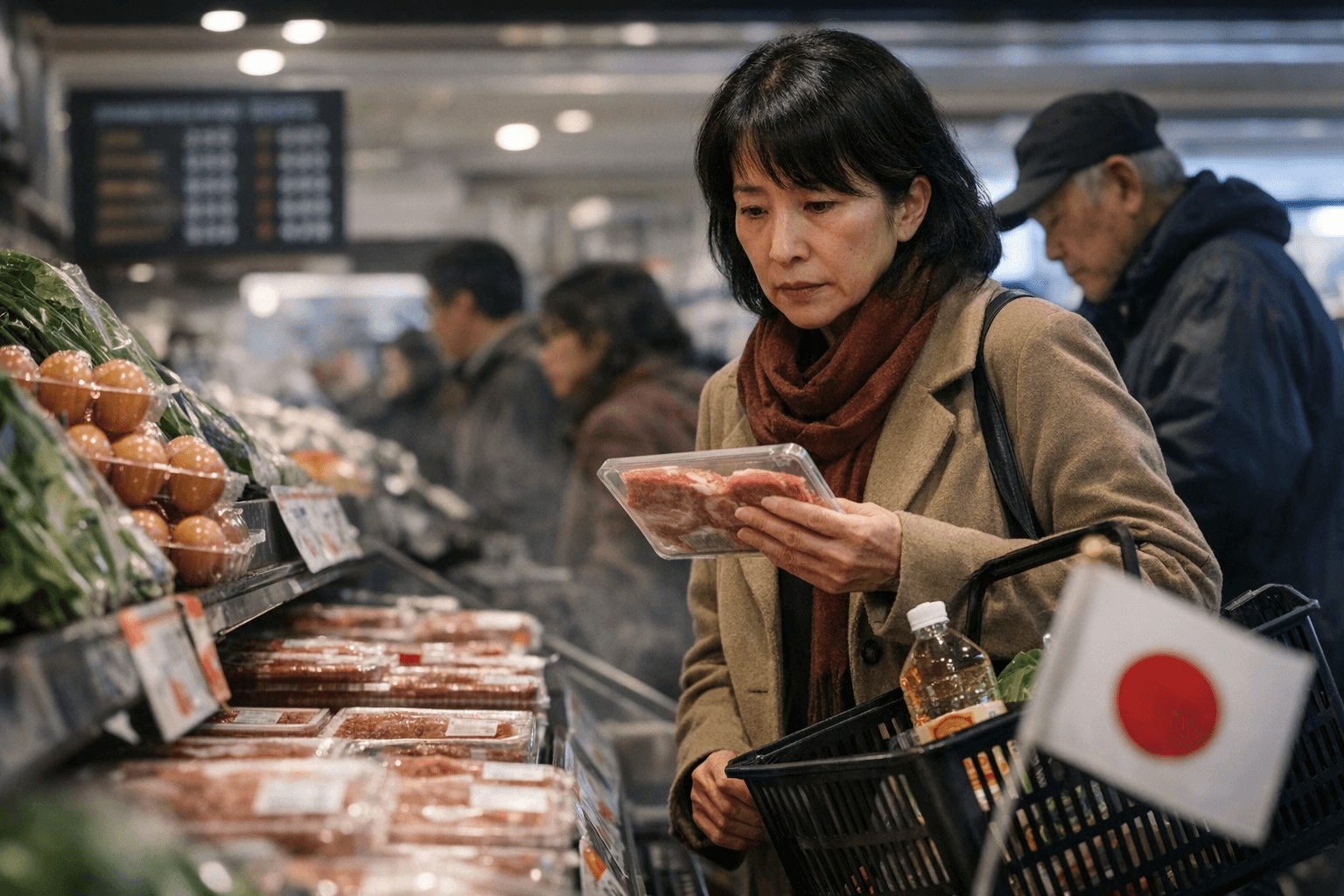
Economically the proposal offers immediate stimulus to consumer spending by lowering out of pocket prices for households, particularly lower income and retired households who spend a larger share of income on food. But it also presents a clear fiscal dilemma. A 5 trillion yen annual hit is large relative to discretionary spending envelopes and comes against the backdrop of Japan’s heavy public indebtedness, which exceeds 250 percent of gross domestic product. Sustaining permanent revenue losses at that scale would complicate medium term debt management and could force adjustments elsewhere in spending or taxation.
The policy would also interact with Bank of Japan strategy. A sustained loosening of fiscal balance could put upward pressure on yields and test whether the central bank tightens policy or maintains current monetary settings to support the economy. That dynamic will be central to market assessments as the government weighs whether the political gains of a tax suspension outweigh the fiscal and financial risks.
For now the plan remains a live option rather than a formal pledge, and officials have not announced legislation. Final decisions on scope, duration and timing will hinge on internal deliberations within the government and the LDP and on assessments of market reaction.
This article was produced by Prism’s automated news system from verified source data, official records, and press releases, then run through automated quality and moderation checks before publishing. The system is built and supervised by the people who set the standards it runs under. Read our full AI policy.
Did this article answer your question?


