Takaichi tours Vietnam and Australia to bolster Japan’s regional security role
Takaichi used stops in Hanoi and Canberra to cast Japan as a steadier regional partner, as trade, minerals and security ties tightened.
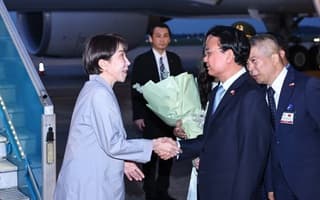
Sanae Takaichi used a five-day swing through Vietnam and Australia to cast Japan as a steadier regional partner at a moment when China’s reach is widening and doubts about U.S. reliability are sharpening. The Japanese prime minister leaned on economic security, critical minerals and a revamped Free and Open Indo-Pacific strategy as she met leaders in Hanoi and Canberra and tried to show that Tokyo can help anchor the region without depending entirely on Washington.
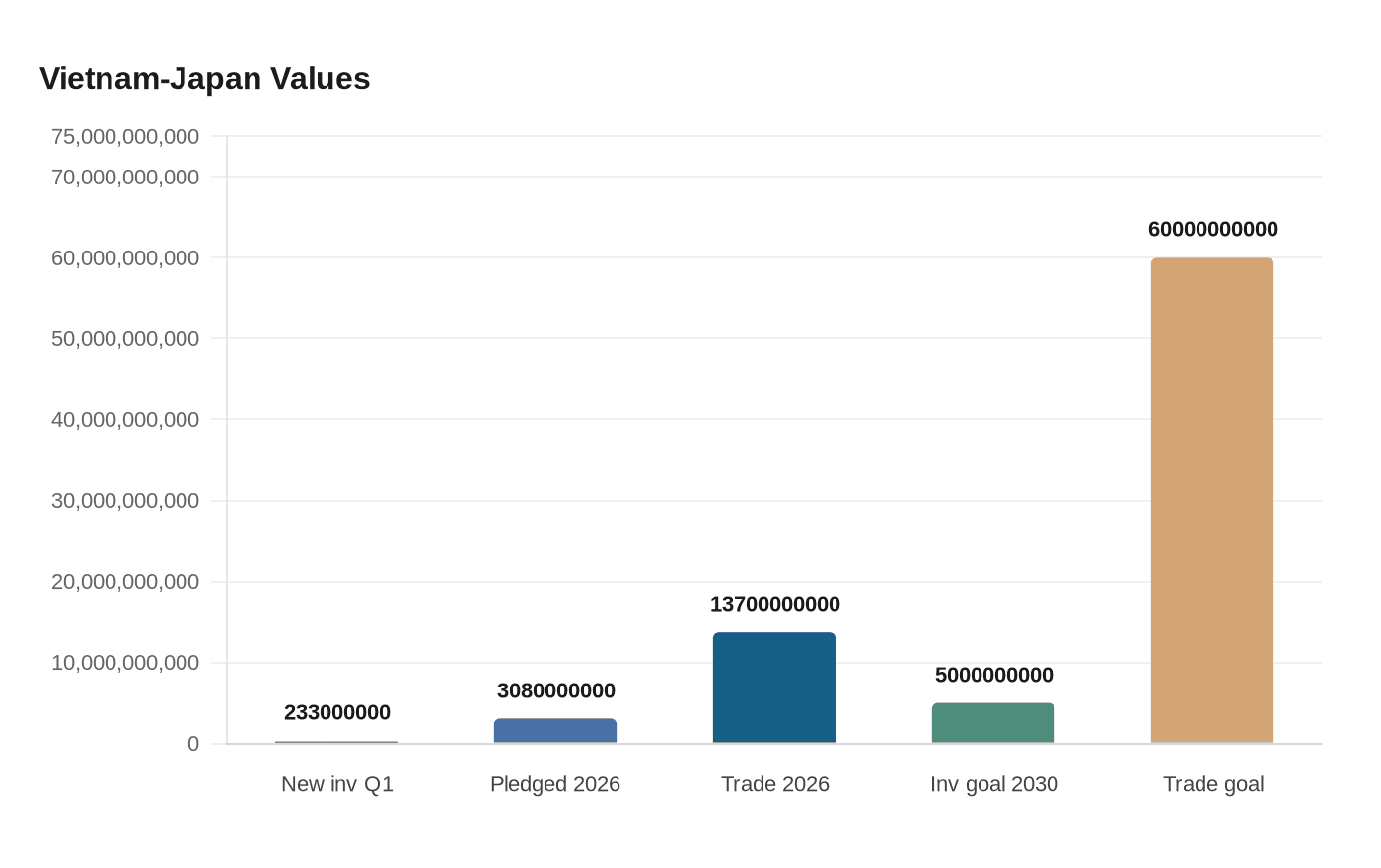
In Hanoi, Takaichi met Communist Party General Secretary and President To Lam and Prime Minister Le Minh Hung, as Japan moved to deepen its 2023 Comprehensive Strategic Partnership with Vietnam. Tokyo said the talks would cover energy, critical minerals, science and technology, and Takaichi later said Japan and ASEAN should work together to strengthen regional supply chains for stable petroleum supplies. That message landed against a fragile commercial backdrop: new Japanese investment in Vietnam fell 75% year on year to $233 million in the first quarter of 2026, even as pledged Japanese investment for the year rose 19.4% to $3.08 billion and bilateral trade climbed 12.3% to $13.7 billion. Vietnam and Japan also set a goal of lifting Japanese investment to $5 billion a year and bilateral trade to $60 billion by 2030.
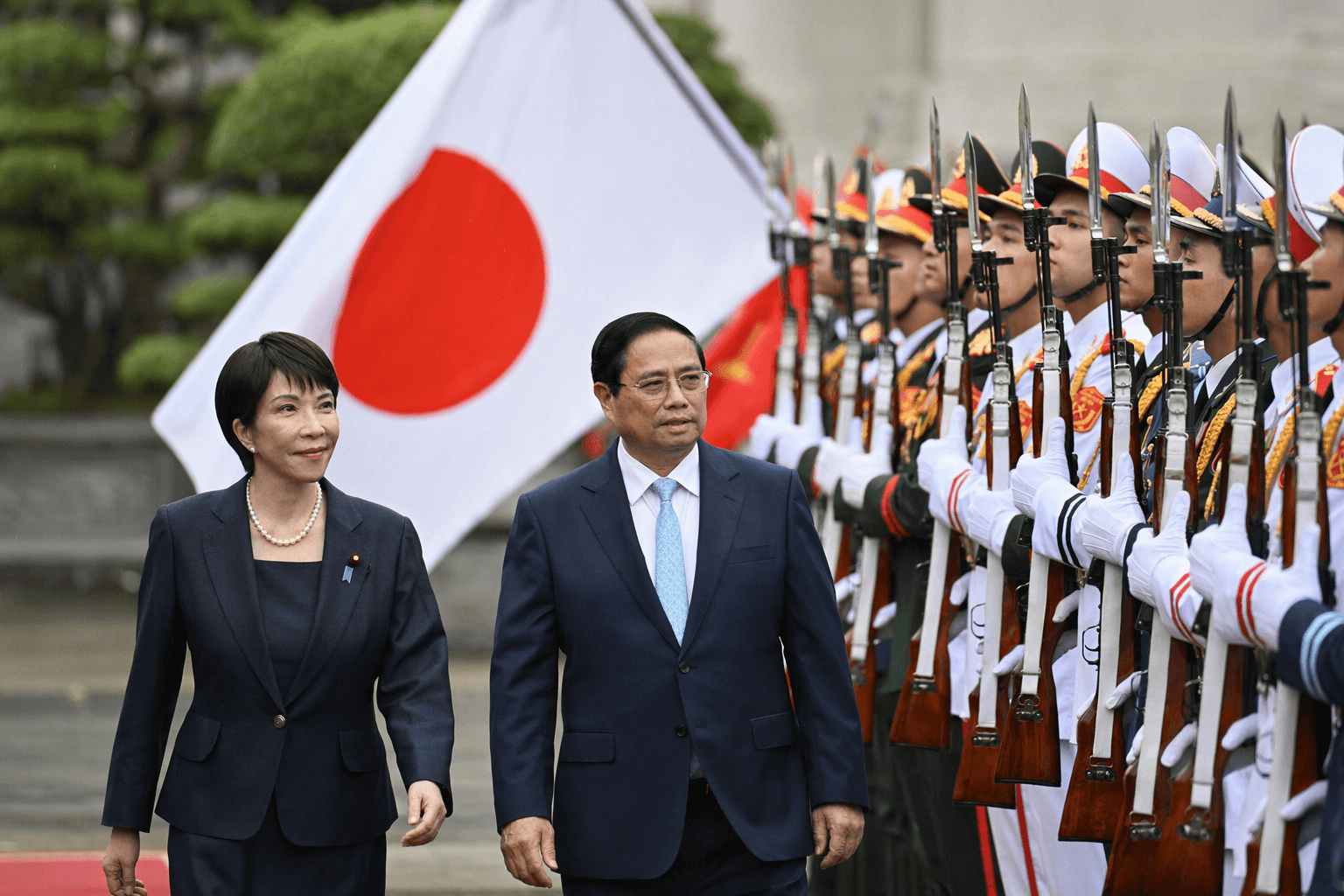
The Vietnam stop underscored how economic security has become central to Tokyo’s regional diplomacy. Vietnamese officials sought Japanese help with oil supplies as conflict in the Middle East pushed up prices and disrupted supply chains, while Takaichi stressed Vietnam’s role as both a manufacturing hub and a supply-chain node. She also linked the trip to an updated FOIP doctrine, saying the strategy needed upgrading 10 years after Shinzo Abe first proposed it. For Hanoi, the alignment with Japan’s Indo-Pacific vision offered an additional hedge as trade routes and energy markets remain exposed to pressure far beyond Southeast Asia.
In Australia, Takaichi met Prime Minister Anthony Albanese in Canberra and paid a courtesy call on Governor-General Samantha Mostyn as the two countries marked the 50th anniversary of the Basic Treaty of Friendship and Cooperation. Japan and Australia signed a Joint Declaration on Economic Security Cooperation and a Joint Statement on Enhanced Defence and Security Cooperation, while Canberra said critical minerals were becoming a core pillar of the bilateral relationship. The two governments said they would deepen cooperation on energy security, defense, critical minerals and advanced manufacturing, and Australia said it would provide A$1.67 billion in support for the critical minerals sector under the new package, building on the Australia-Japan Critical Minerals Partnership launched in 2022.
Takaichi called Japan and Australia “quasi-allies” and said their cooperation was stabilizing for the region. That framing captured the balance she was trying to strike: Japan is presenting itself not just as a U.S. ally, but as an independent source of strategic weight, one that Vietnam and Australia may increasingly use as a hedge against coercion, even if both still see Tokyo as a partner working beside, rather than replacing, the larger security role of the United States.
This article was produced by Prism’s automated news system from verified source data, official records, and press releases, then run through automated quality and moderation checks before publishing. The system is built and supervised by the people who set the standards it runs under. Read our full AI policy.
Did this article answer your question?