Tamil Nadu firecracker factory blast kills 25, safety concerns deepen
Mostly women workers died as a blast tore through a licensed fireworks unit near Virudhunagar, reviving questions about crowded workrooms and weak safety enforcement.
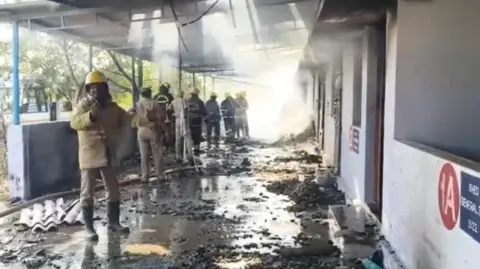
The deadliest question in Tamil Nadu’s fireworks belt is not only how 25 people died, but why a dangerous manufacturing line still relied on a packed room of low-paid workers, mostly women, to handle chemicals with a blast risk that appears to have been known. At the Vanaja Firecracker Factory in Kattanarpatti near Virudhunagar, an explosion ripped through the unit on Sunday, leaving a trail of bodies, serious injuries and a firefighter hurt during rescue efforts.
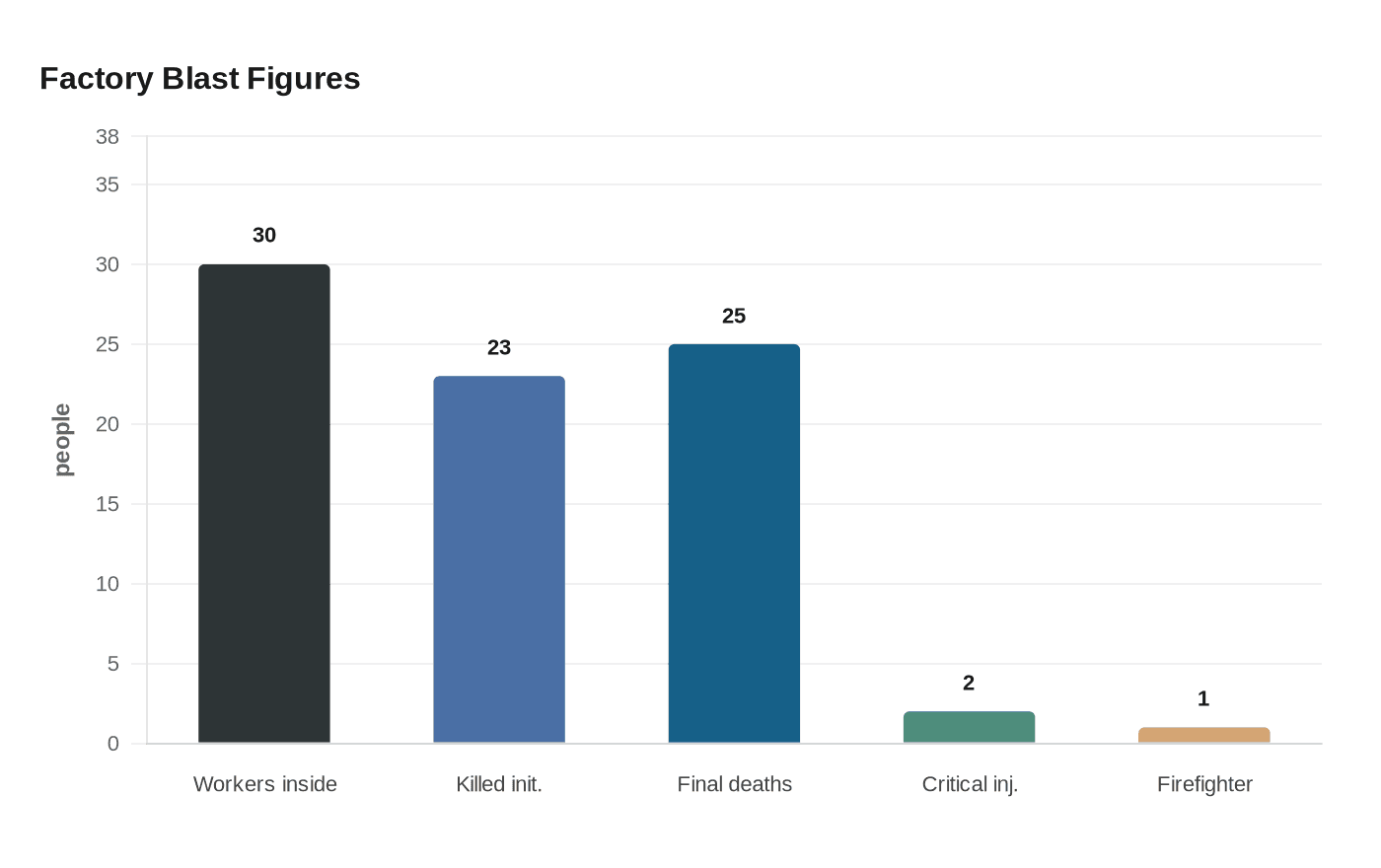
At least 23 workers were killed initially, and the toll rose to 25 after two injured people later died. About 30 workers were inside the unit when the blast happened. Several others were injured, including two who were reported to be in critical condition. Early accounts said workers were mixing chemicals when friction may have triggered the explosion, a detail that points directly to the hazards of the production process itself.
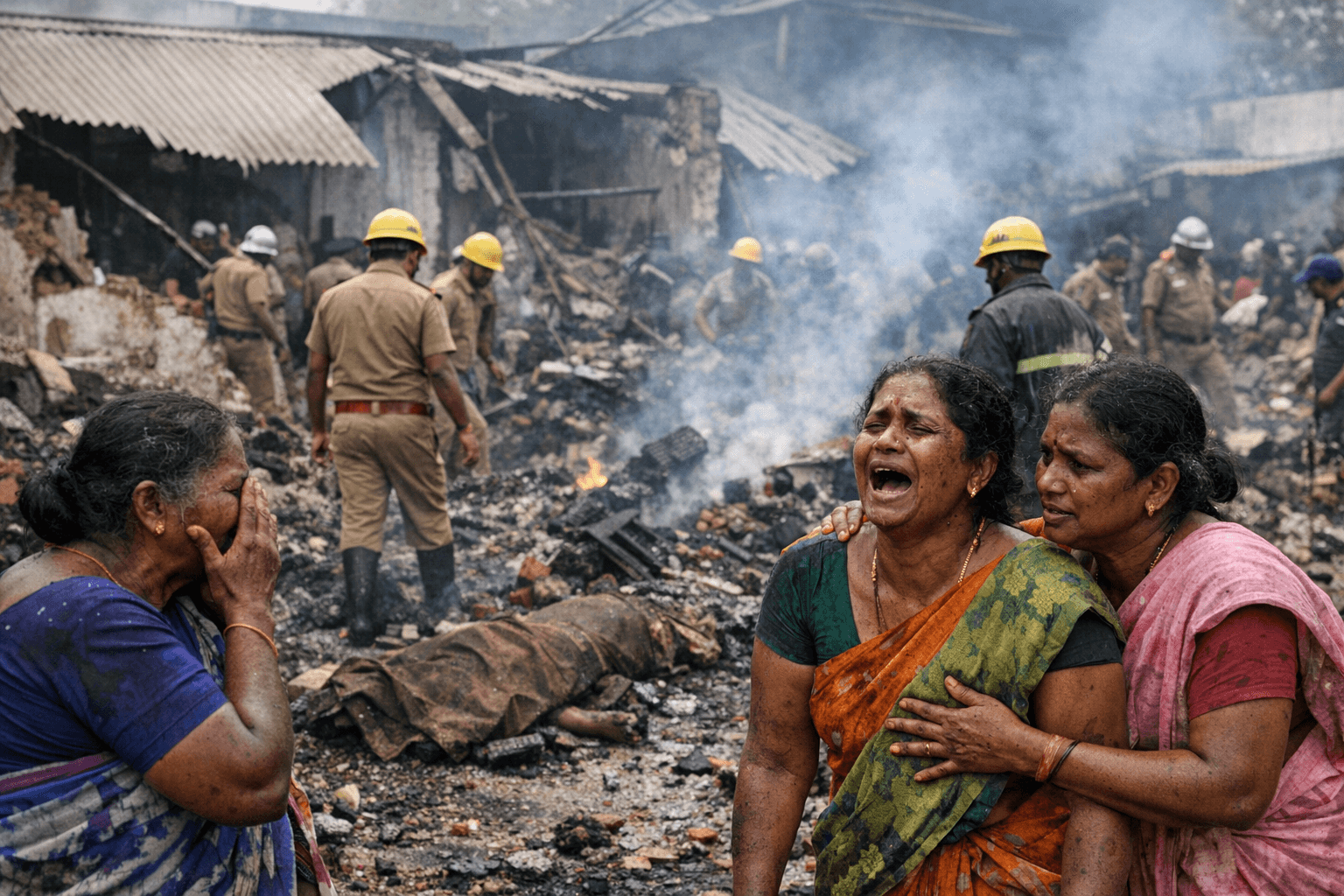
The factory had a valid licence, officials said, but investigators were also examining whether basic safety rules were ignored. Among the concerns were overcrowding in a production room and inadequate emergency exits, two failures that can turn a routine industrial mishap into a mass-casualty disaster. The Fire and Rescue Services Department battled the aftermath as one firefighter was injured in the response, underscoring how quickly the scene became dangerous for everyone inside and outside the plant.
Virudhunagar district is one of India’s best-known fireworks hubs, and the latest blast fits a grim pattern that has repeated across Tamil Nadu’s firecracker belt. A separate fireworks factory explosion was reported in Madathupatti near Sattur on April 13, and earlier accidents in 2024 and 2025 killed multiple workers. In the first six months of 2025 alone, eight accidents in the sector left 26 people dead and 20 injured, a toll that suggests the industry’s safety problem is structural, not accidental.
Tamil Nadu Chief Minister M.K. Stalin expressed condolences and ordered ministers to monitor the rescue and investigation. But the larger test is whether this latest blast leads to more than mourning. If a licensed factory can still pack workers into a chemical-mixing room, leave exits inadequate and operate in a district where deadly accidents keep recurring, then the disaster was not unavoidable. It was preventable, and it exposed how fragile workplace protection remains in one of the state’s most hazardous industries.
This article was produced by Prism’s automated news system from verified source data, official records, and press releases, then run through automated quality and moderation checks before publishing. The system is built and supervised by the people who set the standards it runs under. Read our full AI policy.
Did this article answer your question?


