Tanker traffic falls in Strait of Hormuz as U.S.-Iran attacks escalate
Tanker traffic through Hormuz hit a multi-week low as four oil and gas ships turned back, with insurers warning shipowners to stay away.
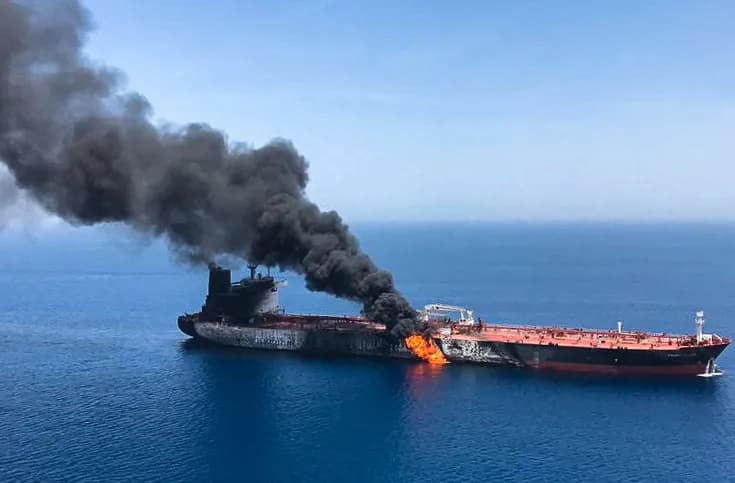
Tanker traffic through the Strait of Hormuz fell to a multi-week low as renewed U.S. and Iran strikes lifted safety risks, and four oil and gas tankers turned back after vessel attacks. An industry analyst captured the mood in one line: "nobody is willing to move" through the waterway.
The slowdown matters because the Strait of Hormuz links the Persian Gulf with the Gulf of Oman and the Arabian Sea, and about 20% of the world’s oil and liquefied natural gas consumption passes through it. When shipowners hesitate, the first costs show up in war-risk insurance, freight rates and delays; some war insurers advised shipowners to pause Hormuz voyages after the attacks, and war-risk premiums and tanker operating costs surged across the region. In some coverage, shipping costs for supertankers in the Middle East hit all-time highs.
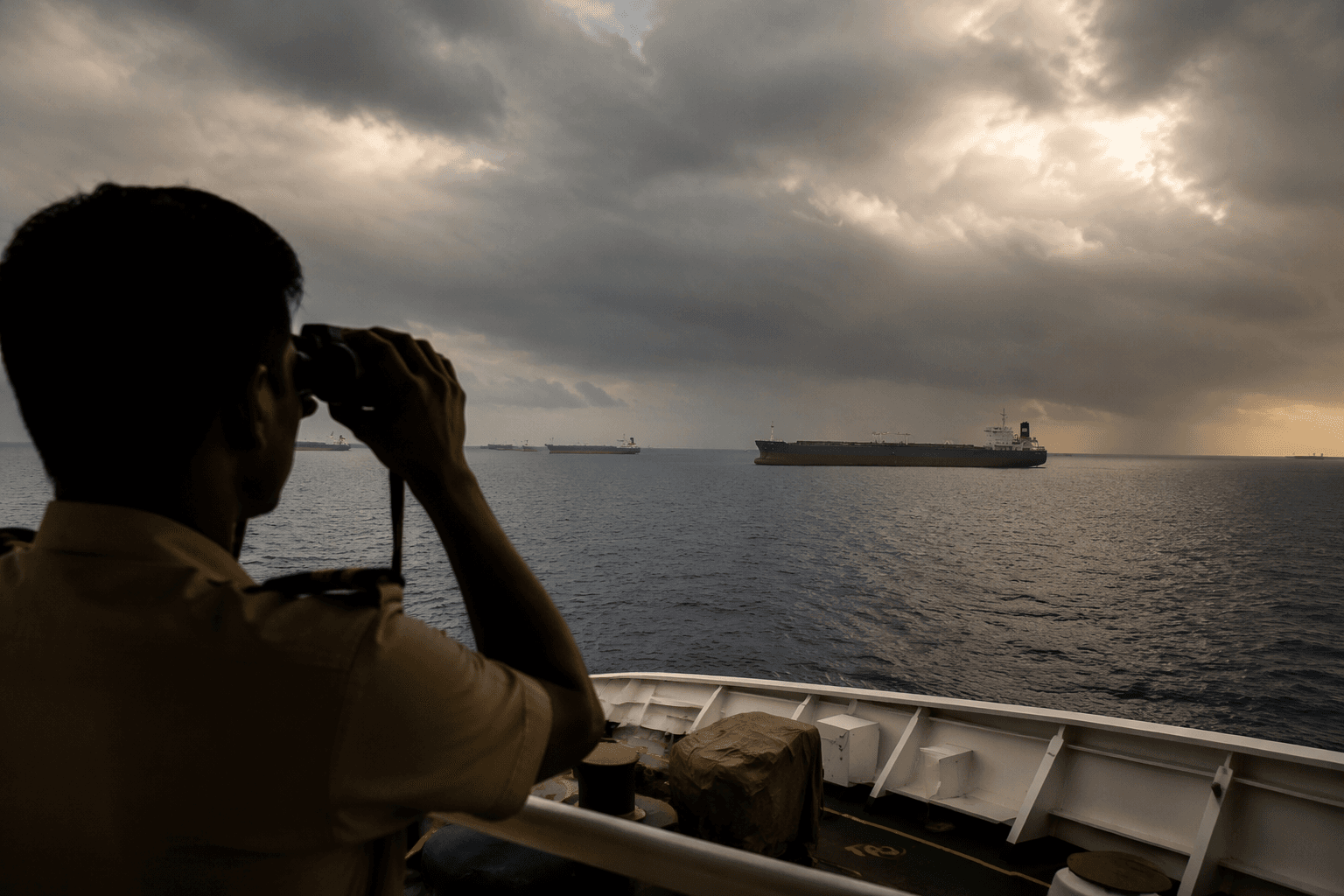
The economic threat reaches far beyond one narrow channel. UN Trade and Development has warned that disruption in the strait would affect global trade and development, while the Congressional Research Service has a standing analysis, titled Iran Conflict and the Strait of Hormuz: Impacts on Oil, Gas and Shipping, that tracks the chokepoint’s role in energy markets and shipping. If tankers keep avoiding the route, the pressure will spread through fuel prices, refining margins and supply chains that depend on steady oil and LNG flows from Gulf states.
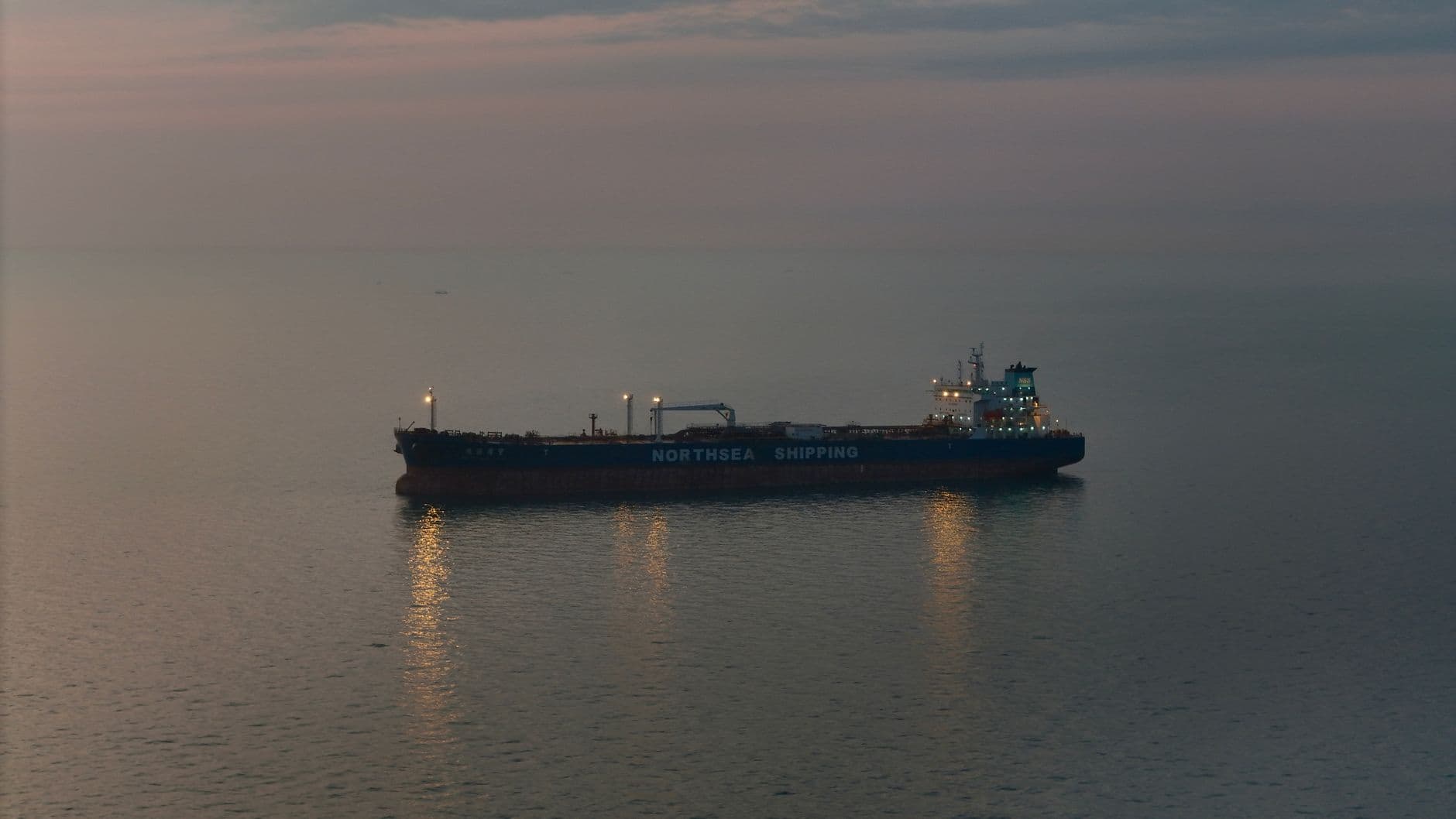
The security standoff is widening at the same pace. The U.S. has insisted Iran commit to stopping attacks in the strait, while Iran has called the waterway a "red line" and said it would "resist to the end." Reuters also reported that the U.S. resumed a naval blockade of Iranian ports during the escalation, underscoring how quickly the confrontation is moving from sporadic attacks into a wider maritime crisis.

The last time the region faced sustained danger on this scale was the Tanker War during the Iran-Iraq conflict, when more than 400 commercial vessels were attacked in the Gulf. That history now hangs over every rerouted tanker and every new insurance advisory, because the path from gunfire to higher fuel bills is short when one of the world’s busiest energy arteries starts to freeze.
This article was produced by Prism’s automated news system from verified source data, official records, and press releases, then run through automated quality and moderation checks before publishing. The system is built and supervised by the people who set the standards it runs under. Read our full AI policy.
Did this article answer your question?