Why romance scam victims keep falling for fake relationships
Victims often stay hooked because the relationship feels real before the money does. Loneliness, shame and relentless manipulation keep the fraud alive.
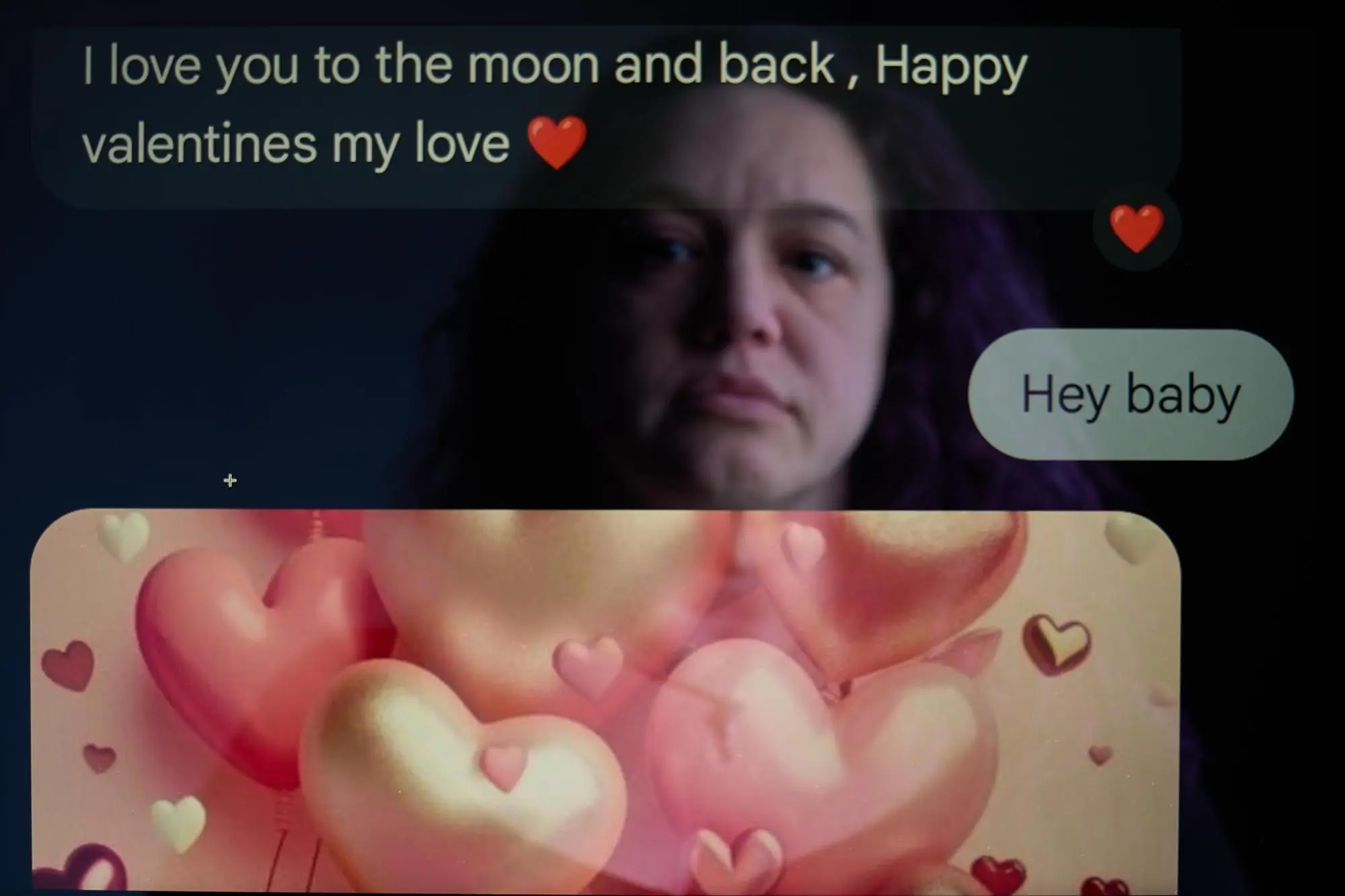
Jean Booth knew Donnie was not real on some level, yet she kept reaching for the relationship anyway. In Westlake, Ohio, that contradiction carried a brutal cost: she lost more than $90,000 over 237 days. That is the emotional engine of romance scams, where attachment can outlast suspicion and red flags start to feel negotiable.
Why the fraud keeps working
Romance scams are built to exploit loneliness, grief and hope, not just naivety. Scammers often begin on dating apps, social media platforms or messaging services, then spend time creating the sense of intimacy that makes a stranger feel safe enough to trust. Once that bond is set, embarrassment becomes part of the trap: if you have already invested months of attention, admitting the relationship is fake can feel almost as painful as the loss itself.
Janet Gray lost hundreds of thousands of dollars over roughly two years.
How scammers turn attention into money
The method is usually slow at first. Fraudsters build trust with constant communication, then introduce a crisis that requires cash, personal information or access to accounts. In Booth’s case, the scammer used fake military and family stories to keep asking for money, a pattern that fits the broader playbook: believable detail, urgent need, and just enough tenderness to keep the victim hopeful.
That same pressure often rides on platform design. Dating apps and social platforms make it easy to move from public profiles into private chats, where there is less friction, fewer checks and more room for manipulation. Scammers also use stolen images, better-written scripts, multiple fake personas and, increasingly, artificial-intelligence tools to maintain the illusion that the relationship is real.
The scale is bigger than most people realize
The Federal Trade Commission says U.S. consumers lost $1.14 billion to romance scams in 2023, with more than 64,000 reported romance-scam cases. Those losses sit inside a much larger fraud problem: FTC data shows nationwide fraud losses topped $10 billion in 2023.
The pattern has been building for years. In 2018, the FTC’s Consumer Sentinel Network logged more than 21,000 romance-scam reports, with reported losses of $143 million, making romance scams the top category for total reported losses that year.
Warning signs that deserve immediate attention
A romance scam is often easiest to spot once you know what to watch for, especially when the relationship starts to feel urgent or unusually intense. The most reliable warning signs include:

- A person you have never met in person quickly becomes emotionally central and pushes for constant contact.
- The conversation shifts to a private messaging app or off a dating platform before trust has been earned.
- Money requests arrive through a crisis story, such as a military problem, a family emergency, a business setback or a travel obstacle.
- The person keeps asking for more after one payment, then adds new details to justify the next request.
- You are discouraged from telling friends or family, which increases secrecy and shame.
- The profile or photos feel polished but thin, and the person avoids independent verification.
- The relationship keeps moving forward in words, but never in verifiable reality.
What to do if the relationship feels off
The FBI’s guidance is blunt: stop all contact with the scammer and report the crime to the Internet Crime Complaint Center. Cutting contact matters because these schemes depend on ongoing emotional access, and every new message gives the fraudster another chance to reassert control. If you are unsure whether the relationship is real, independent verification is the test that matters, not the strength of the connection you feel.
The same applies if you are helping someone else. Shame often keeps victims silent, so ridicule only deepens the hold. A calmer response is more effective: name the pattern, ask what has been requested, and focus on the concrete facts such as money sent, accounts shared or personal information disclosed.
The practical reporting path is straightforward. Document messages, screenshots and payment details, then report to the FBI’s Internet Crime Complaint Center and the FTC’s fraud reporting system. Those reports feed the Consumer Sentinel Network, which is one reason the FTC can track romance scams alongside other consumer fraud losses.
This article was produced by Prism’s automated news system from verified source data, official records, and press releases, then run through automated quality and moderation checks before publishing. The system is built and supervised by the people who set the standards it runs under. Read our full AI policy.
Did this article answer your question?