Target Settles $4.6M NJ Distribution-Center Lawsuit Over Unpaid Time
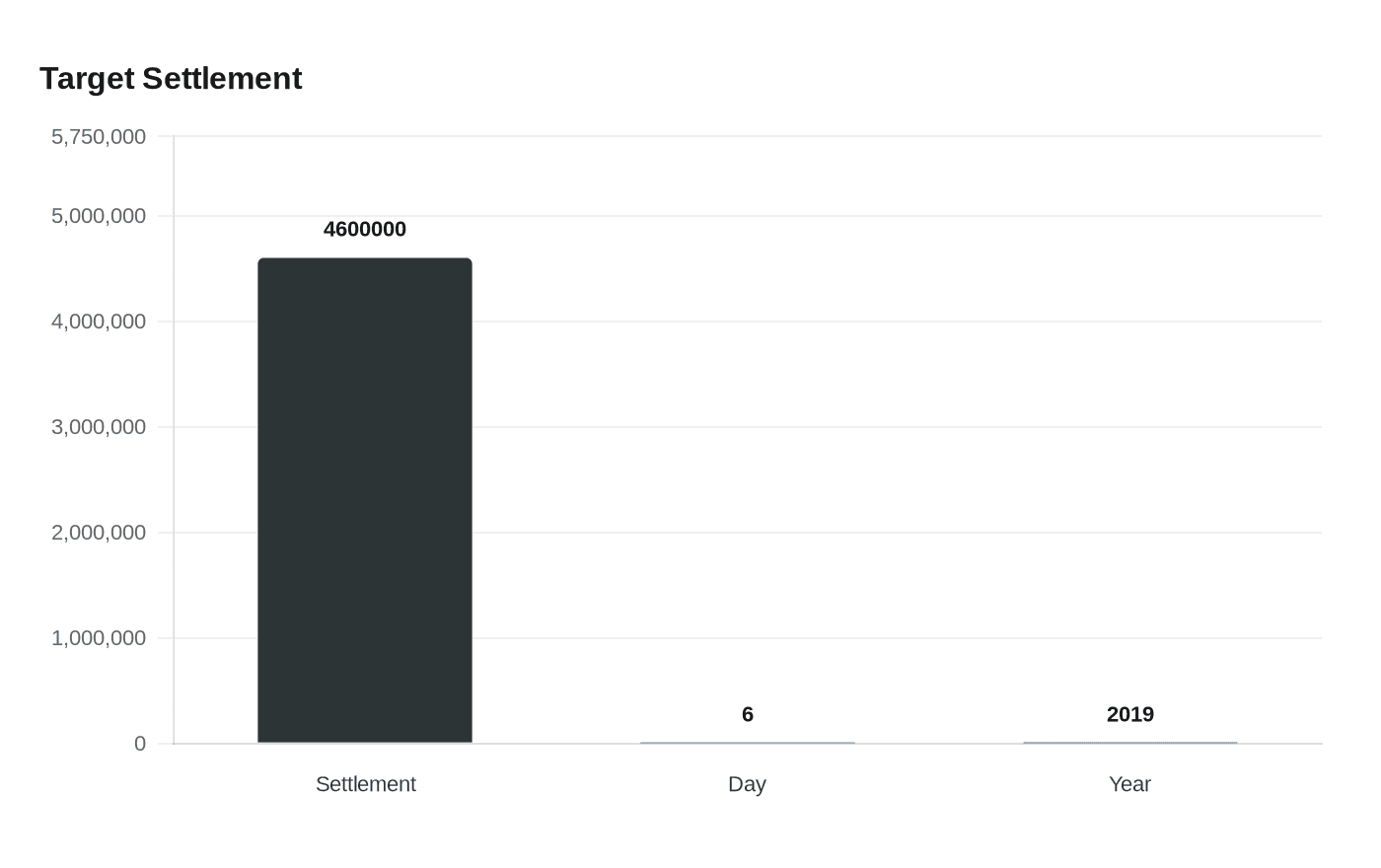
Target agreed to a $4.6 million settlement resolving claims that NJ distribution-center progression team members were not paid for pre- and post-shift walking and activities.

Target has agreed to a proposed $4.6 million settlement to resolve a class-action wage-and-hour lawsuit alleging unpaid time for progression team members at its New Jersey distribution centers. The case, Sadler v. Target Corp., D.N.J., covered claims that workers were not paid for all time worked, including pre-shift and post-shift walking and related activities.
Under the terms outlined in the settlement notice, the fund would apply to employees who worked at the specified New Jersey distribution centers on or after Aug. 6, 2019. The notice identifies who is eligible, provides contact information for the settlement administrator, and lists deadlines for exclusion or objection as well as the date of the scheduled final approval hearing. Target has denied wrongdoing while agreeing to the settlement fund.
For eligible distribution-center workers, the settlement represents a potential recovery for time alleged to have gone unpaid. Class-action settlements commonly require an administrative process to confirm eligibility and calculate individual shares; the settlement notice governs how affected workers can determine whether they are included and how to submit claims, opt out, or file objections. Those procedures and deadlines will determine who ultimately receives payment and how quickly distributions move forward.
The agreement also has immediate workplace implications. Timekeeping and compensation practices at high-volume logistics operations have been the focus of litigation and scrutiny in recent years, and this settlement could prompt employers to review clock-in and off-the-clock policies, walking-time rules, and progression-team procedures to limit future disputes. For workers, the case underscores the importance of tracking hours, raising concerns through internal channels, and reviewing pay stubs for unexplained gaps between recorded time and actual work.
Legal counsel for both sides and the settlement administrator are identified in the notice, which is intended to be the primary source for class members seeking specifics about claim deadlines, distribution mechanics, and the final approval hearing. The final approval hearing will determine whether the proposed settlement is accepted and how the $4.6 million fund will be allocated.
Distribution-center employees affected by the suit should review the settlement notice, note the listed deadlines for exclusion or objection, and use the settlement administrator contact information to get answers about eligibility and next steps. The outcome will affect payouts to eligible workers and may influence how Target and other warehouse operators manage timekeeping and progression-team duties going forward.
Know something we missed? Have a correction or additional information?
Submit a Tip