Teen builds rapid-assembly tiny home to shelter people experiencing homelessness
An Ontario engineering student built a rapid-assembly modular home and will live in it for a year to test durability and livability. The prototype aims to offer affordable temporary housing amid rising costs.
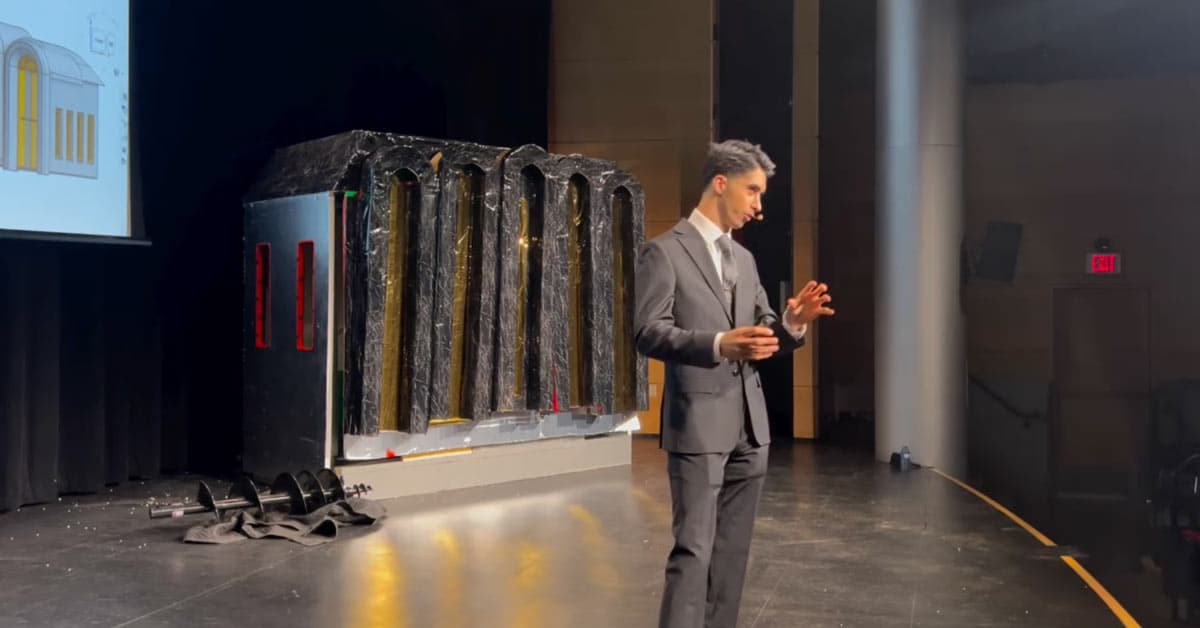
An 18-year-old engineering student in Ontario, Ribal Zebian, has developed a rapid-assembly modular home prototype intended as affordable, deployable temporary housing for people experiencing homelessness. Zebian completed the prototype with design goals focused on a one-day build, low cost, and architectural quality, and he plans to live in the structure for a full year to test real-world durability and livability.
Zebian cites local pressure from homelessness and rising housing costs as the motivation. The prototype is presented as a proof-of-concept: compact, transportable, and fast to assemble so communities could use it for emergency shelter, transitional housing, or as part of temporary site solutions. The hands-on yearlong occupancy is meant to generate practical data on wear, comfort, systems integration, and daily life in a rapid-assembly tiny home.
Local advocates reacted with cautious optimism, noting tiny and modular units can be a pragmatic tool but are not a standalone solution to homelessness. They emphasized that units like Zebian’s work best when paired with services, pathways to permanent housing, and supportive programming. That framing puts the project in the familiar tiny house conversation: scalable prototypes can buy time and provide dignity, but they require wraparound supports to move people from temporary shelter to stable homes.
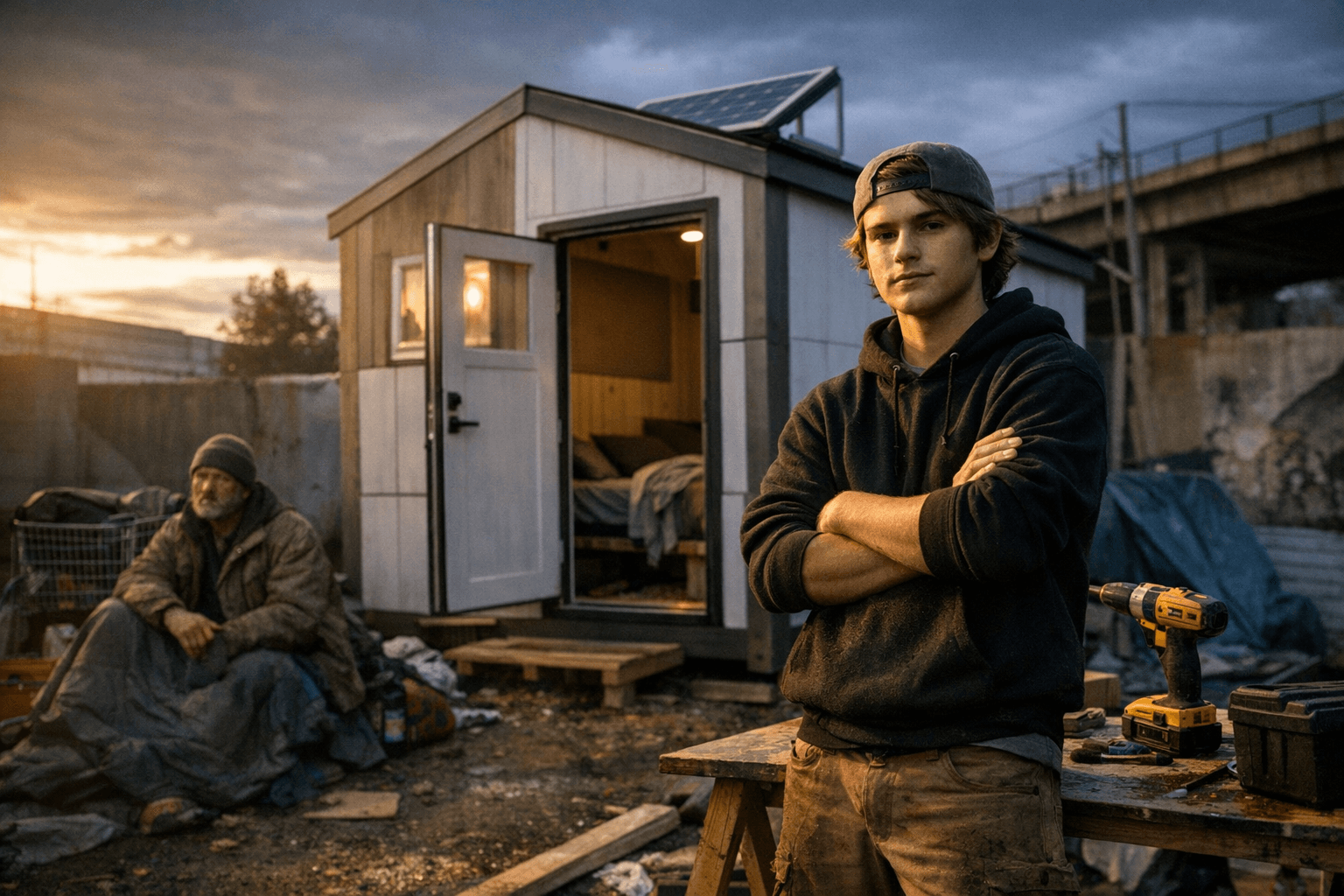
For the tiny house community and local groups working on shelter solutions, the project has direct practical value. A verified one-day assembly could make rapid deployment to encampment relief sites, overflow shelters, or disaster-response locations more feasible. Living-in testing will highlight durability issues, heating and cooling needs, water and waste hookups, and interior layout trade-offs that matter to future builders and service providers. Zebian’s stated interest in licensing the design signals a route to wider use, if municipalities, service agencies, and manufacturers align on permitting, standards, and production.
The prototype also spotlights the iterative nature of social-innovation in housing. This is not a finished system-level fix but a field test that can inform policy and practice: what works on the build site, what residents need for stability, and what local partners must provide for a modular solution to succeed. Watch for the results of Zebian’s year of occupancy; those real-life lessons will matter to builders, outreach teams, and local governments deciding whether tiny, modular, rapid-assembly units can fit into a broader strategy for reducing homelessness.
Sources:
Know something we missed? Have a correction or additional information?
Submit a Tip