Teenage Engineering's EP-133 KO II gets major OS 2.5 update
Teenage Engineering’s $329 EP-133 KO II just gained USB audio, reverse playback and 40-second mono samples in OS 2.5.
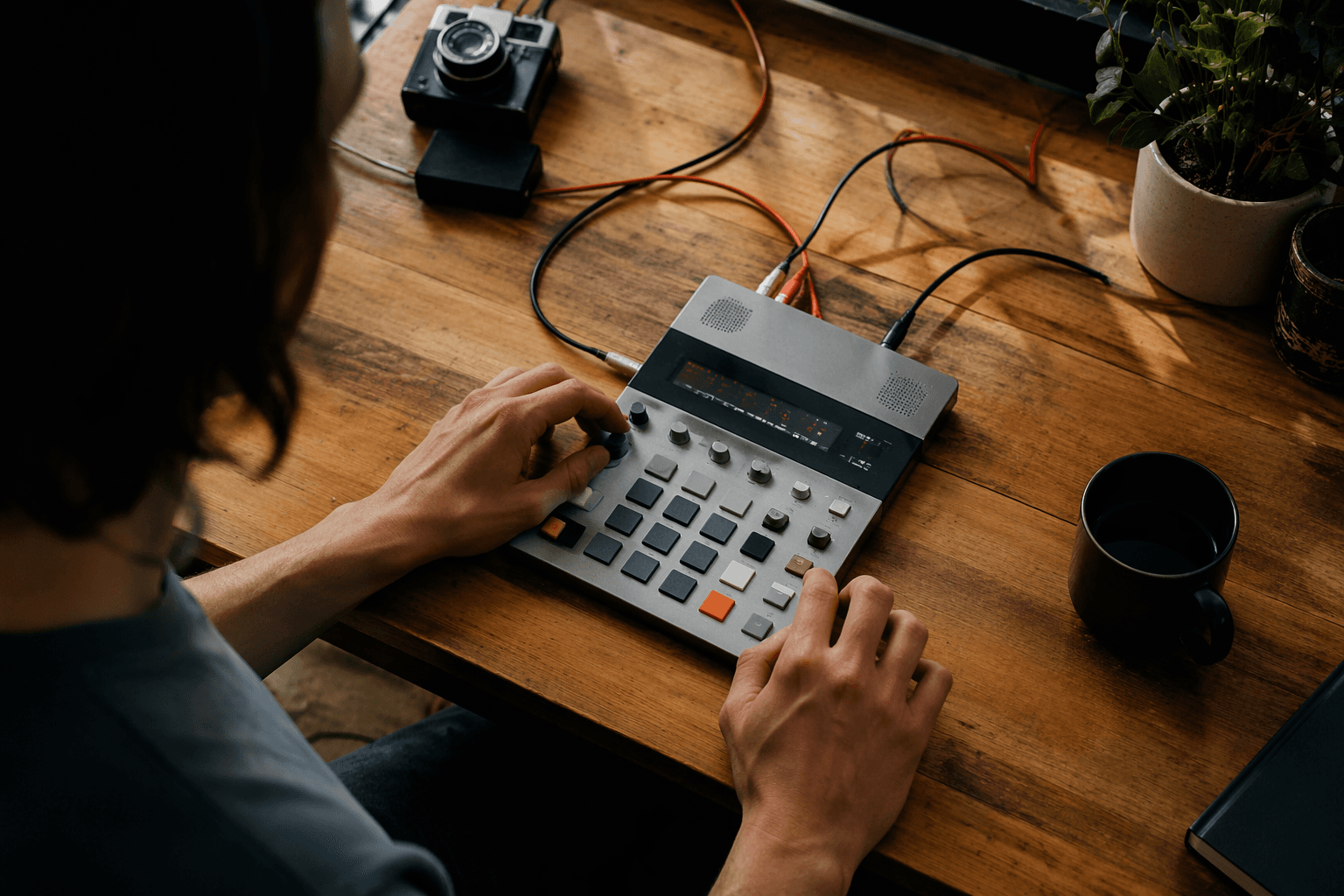
Teenage Engineering pushed a major OS 2.5 update to the EP-133 KO II, adding USB audio recording and monitoring, reverse sample playback, adjustable sample-rate recording for lo-fi textures, equal-length auto-chop, a faster shortcut for keys and scales, improved timestretching and a longer mono-sample ceiling that now reaches 40 seconds, up from 20. The update is listed as a June 24, 2026 release on the company’s downloads page.
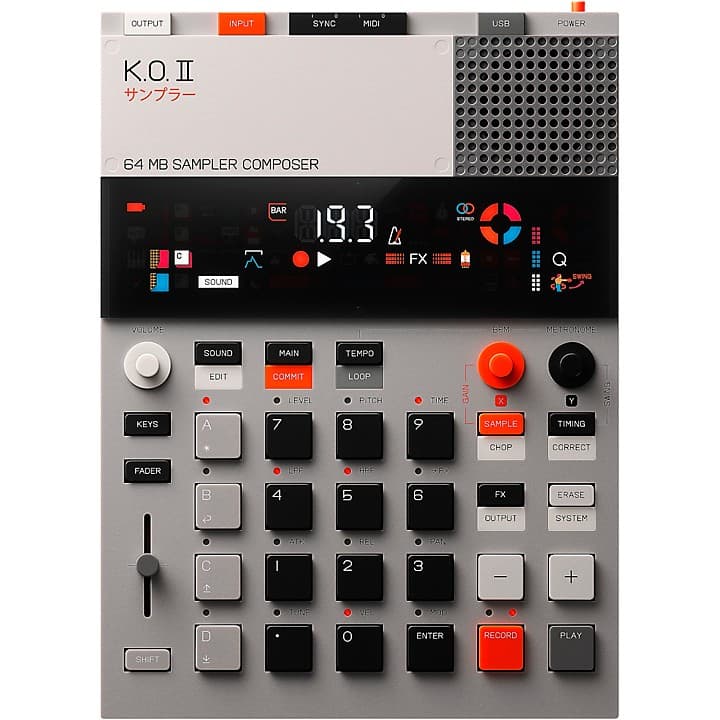
At $329, the EP-133 KO II sits in the middle of the consumer music-gear market, but Teenage Engineering keeps loading it with features that make it feel less like a fixed hardware box and more like a platform. The company describes it as a 128 MB sampler and composer with a built-in mic and speaker, 12 stereo or 16 mono voice polyphony, six built-in master FX, 12 punch-in FX, pressure-sensitive keys, a multifunctional fader, stereo in and out, sync in and out, MIDI in and out, USB-C power and 4x AAA battery power. Teenage Engineering also lists its recording resolution at 46 kHz/16-bit.
The EP-133 KO II is positioned as the successor to the PO-33 K.O!, extending Teenage Engineering’s pocket-size sampling line into a machine that can absorb new capabilities long after purchase. The OS 2.5 release sits alongside earlier firmware entries on the company’s downloads page, including OS 2.0.2, 2.0.1 and 2.0, which shows a steady cadence of post-launch software support rather than a one-time patch cycle.
For everyday creators, the update changes how far a $329 standalone sampler can go before a laptop has to take over. USB audio recording and monitoring make the box easier to drop into a modern setup, while reverse playback, selectable sample rates and longer mono captures widen the range of sounds it can shape on its own. The practical result is a device that keeps gaining utility after the sale, narrowing the gap between dedicated hardware and the upgrade habits users usually expect from phones and game consoles.
This article was produced by Prism’s automated news system from verified source data, official records, and press releases, then run through automated quality and moderation checks before publishing. The system is built and supervised by the people who set the standards it runs under. Read our full AI policy.
Did this article answer your question?