Tehran vows retaliation after U.S. seizes Iran-flagged cargo ship near Hormuz
U.S. forces seized the Touska near Hormuz, and Tehran called it piracy, raising the risk of retaliation across shipping lanes and energy routes.
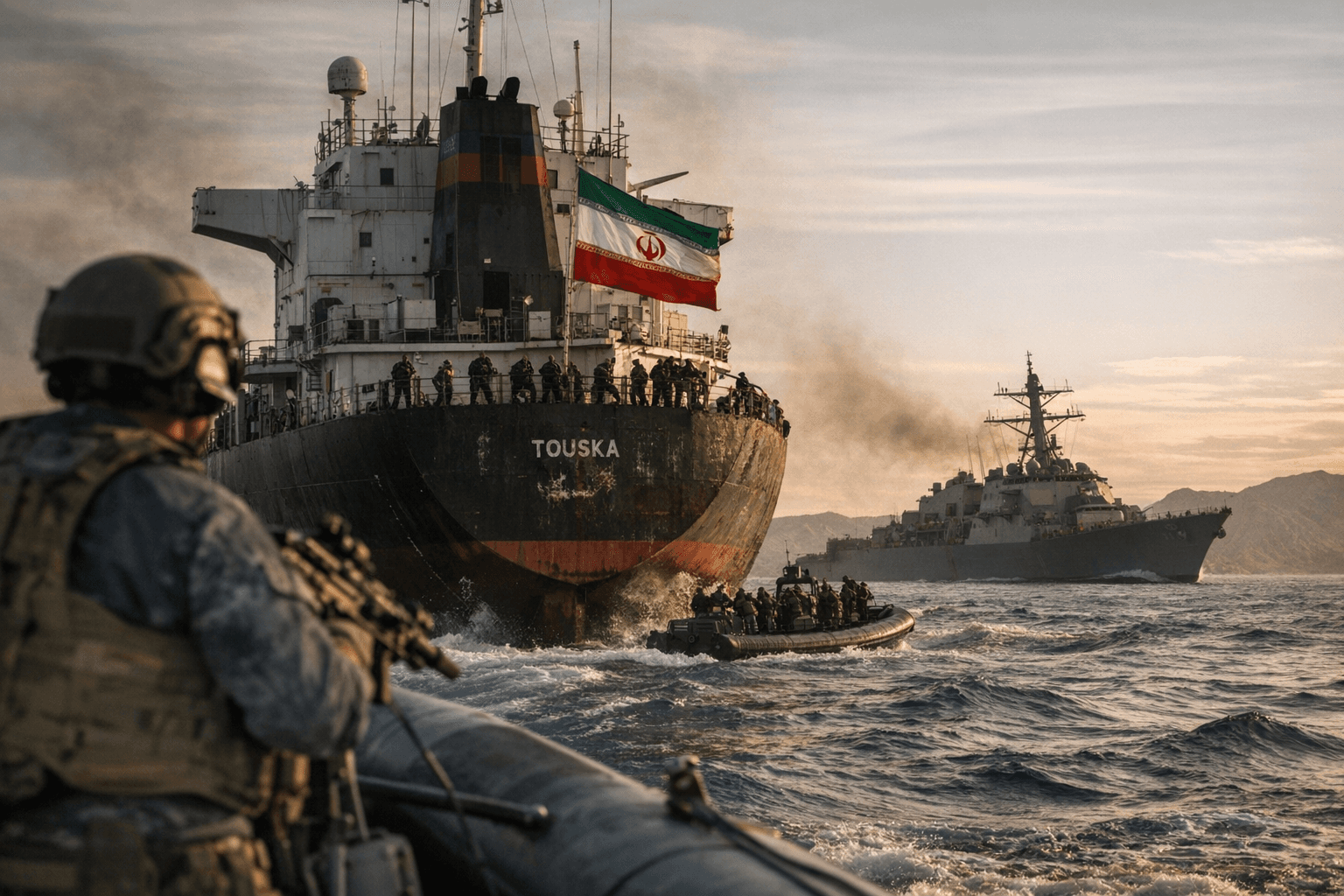
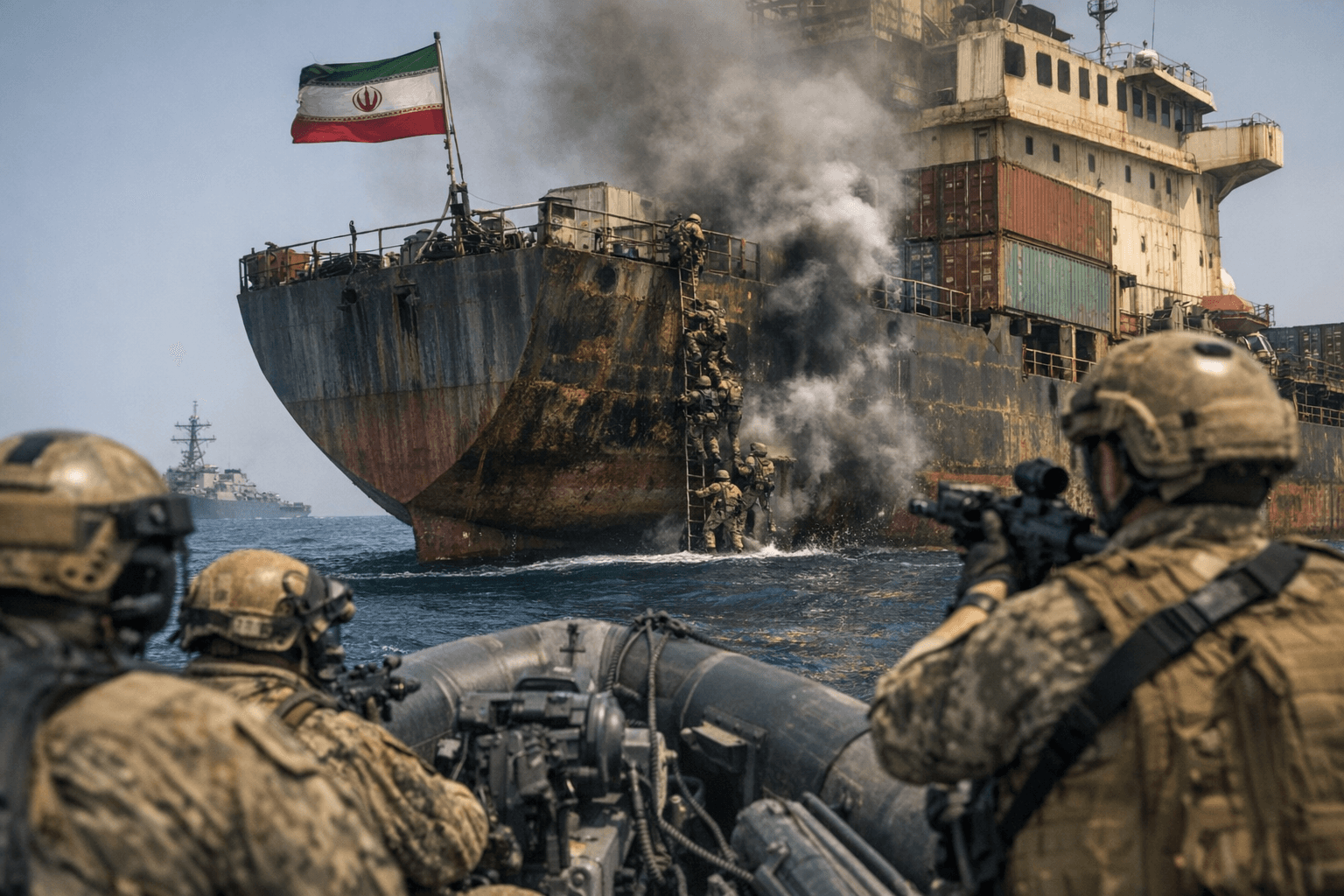
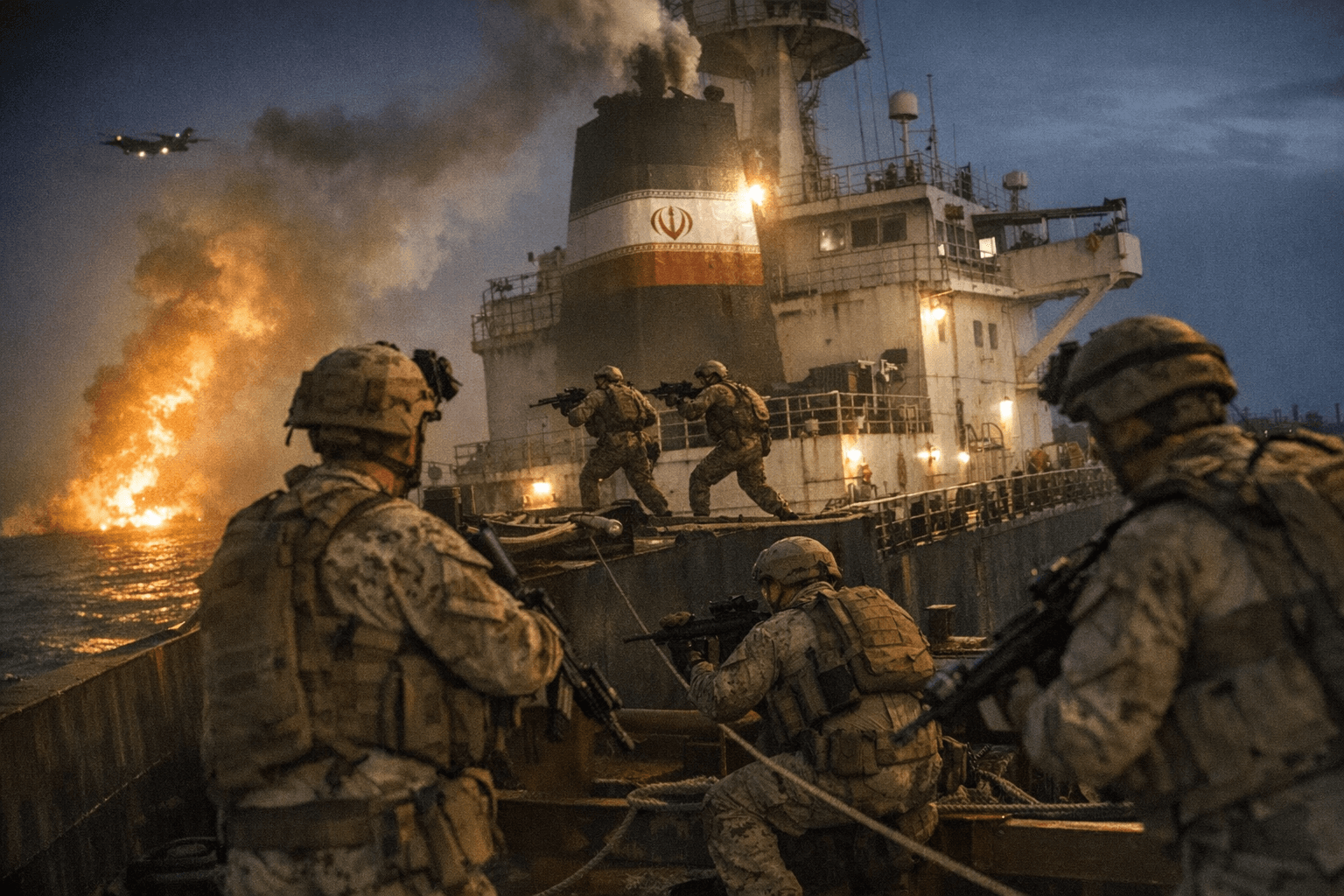
The U.S. seizure of the Iran-flagged cargo ship Touska near the Strait of Hormuz turned a blockade into a direct confrontation at sea. Iran’s joint military command denounced the armed boarding as piracy and a ceasefire violation, and Tehran warned it would retaliate.
The operation involved the USS Spruance, according to U.S. military reporting, and Reuters-syndicated coverage said it was the first interception since the U.S. blockade of Iranian ports began last week. That makes the episode more than a single maritime stop. It shows Washington is prepared to enforce the blockade with naval power, not just warnings, and it gives Tehran a new grievance to fold into its response.
President Donald Trump publicly announced the blockade on April 17, saying it was meant to pressure Iran over shipping through the Strait of Hormuz. Iranian officials had already signaled defiance. On April 17, Iran’s foreign minister said shipping through the strait would remain open for the rest of the ceasefire period. The seizure of the Touska now tests that claim and pushes the ceasefire closer to collapse.
The stakes are unusually high because the Strait of Hormuz normally carries about 20% of global oil supply. Any retaliation that targets commercial shipping, threatens tankers, or disrupts traffic through the Gulf of Oman and the Persian Gulf could quickly move beyond a bilateral clash and into a global energy shock. Bandar Abbas, the key Iranian port on the strait, sits at the center of that risk.
The more immediate danger is not only a second interception. It is a wider escalation ladder that could include attacks on shipping, proxy action, or pressure on energy infrastructure and maritime traffic. Iran has often relied on layered responses when it wants to raise costs without declaring open war, and the seizure gives Tehran a fresh pretext to do so.
The broader conflict, which CNN says began on February 28, is now in its 51st day. What began as a regional war of strikes and counterstrikes has now moved into the world’s most sensitive chokepoint, where a single boarding can carry legal, military and diplomatic consequences far beyond one cargo ship.
Know something we missed? Have a correction or additional information?
Submit a Tip