Telegram challenges India ban over alleged NEET-UG cheating links
India’s Telegram block, set to last until June 22, has turned a NEET-UG cheating probe into a fight over digital rights for 150 million users.
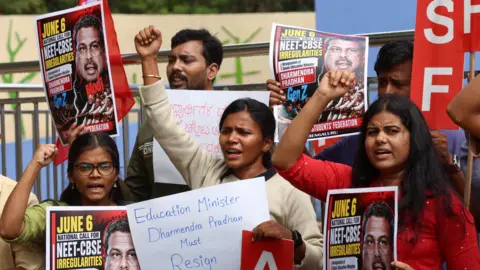
Telegram has challenged India’s temporary block over alleged links to NEET-UG cheating networks, turning an exam-integrity crackdown into a broader test of how far the state can go in restricting a mass platform. The company said the move would punish more than 150 million users in India, while the government said the restrictions were needed to curb fraud and false claims around leaked papers ahead of the June 21 re-examination.
The Ministry of Electronics and Information Technology ordered Telegram access in India restricted until June 22, 2026, and separately directed the app to disable its message-editing feature in the country until June 30, 2026. The National Testing Agency said the time-bound measures were aimed at cheating rackets and misinformation tied to the re-test for the National Eligibility cum Entrance Test, or NEET-UG, the country’s main medical entrance exam.
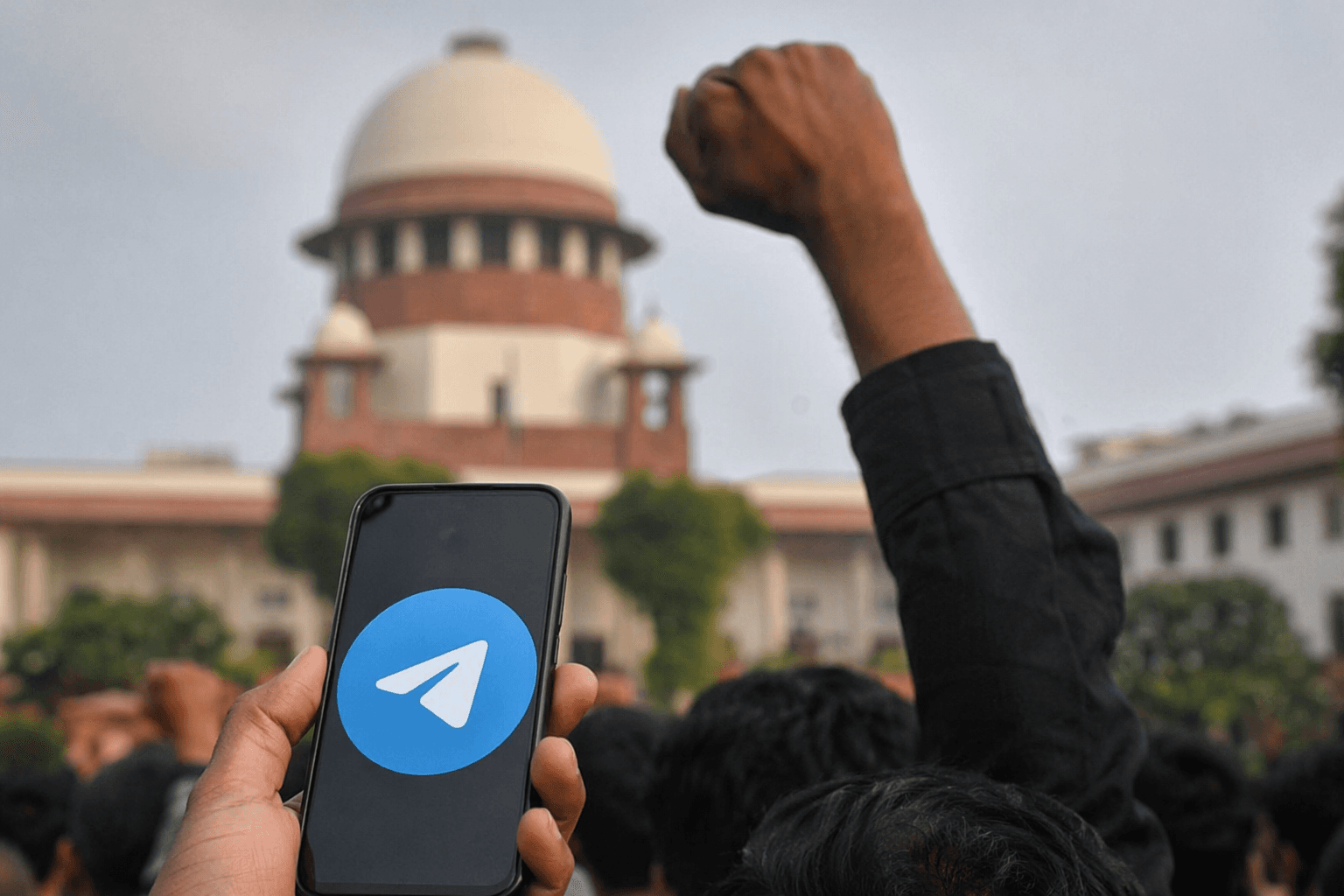
Telegram moved the Delhi High Court to fight the ban, arguing that the shutdown hurt legitimate users across the country. The case was mentioned before a bench led by Justice Tejas Karia, which agreed to hear it. Pavel Durov called the ban a “mistake,” saying it would sweep up millions of ordinary users in the process.
The government’s case rests on allegations that Telegram was used by organized cheating networks and on claims that the platform helped fabricate after-the-event “paper leak” evidence. The action came as authorities tried to prevent a repeat of the turmoil that followed the 2024 NEET-UG paper leak allegations, which triggered nationwide protests, a Supreme Court review and heavy scrutiny of the National Testing Agency’s handling of the exam.
The Supreme Court later said the 2024 leak had not been shown to be systemic, but it also found that at least 155 students had directly benefited. That ruling did not end the pressure on the testing agency, which has been under intense scrutiny to prove it can protect exam integrity without overreaching into the digital habits of tens of millions of Indians. The Telegram fight now adds a new layer to that struggle: whether a government can throttle a platform in the name of fairness, and what happens when the cost lands on millions who had nothing to do with the cheating.
This article was produced by Prism’s automated news system from verified source data, official records, and press releases, then run through automated quality and moderation checks before publishing. The system is built and supervised by the people who set the standards it runs under. Read our full AI policy.
Know something we missed? Have a correction or additional information?
Submit a Tip