Tesla’s 14A deal gives Intel a major foundry vote of confidence
Tesla’s choice of Intel’s 14A process is less a Musk headline than a public endorsement of Intel’s turnaround, and it lifted Intel shares 3.6% after hours.
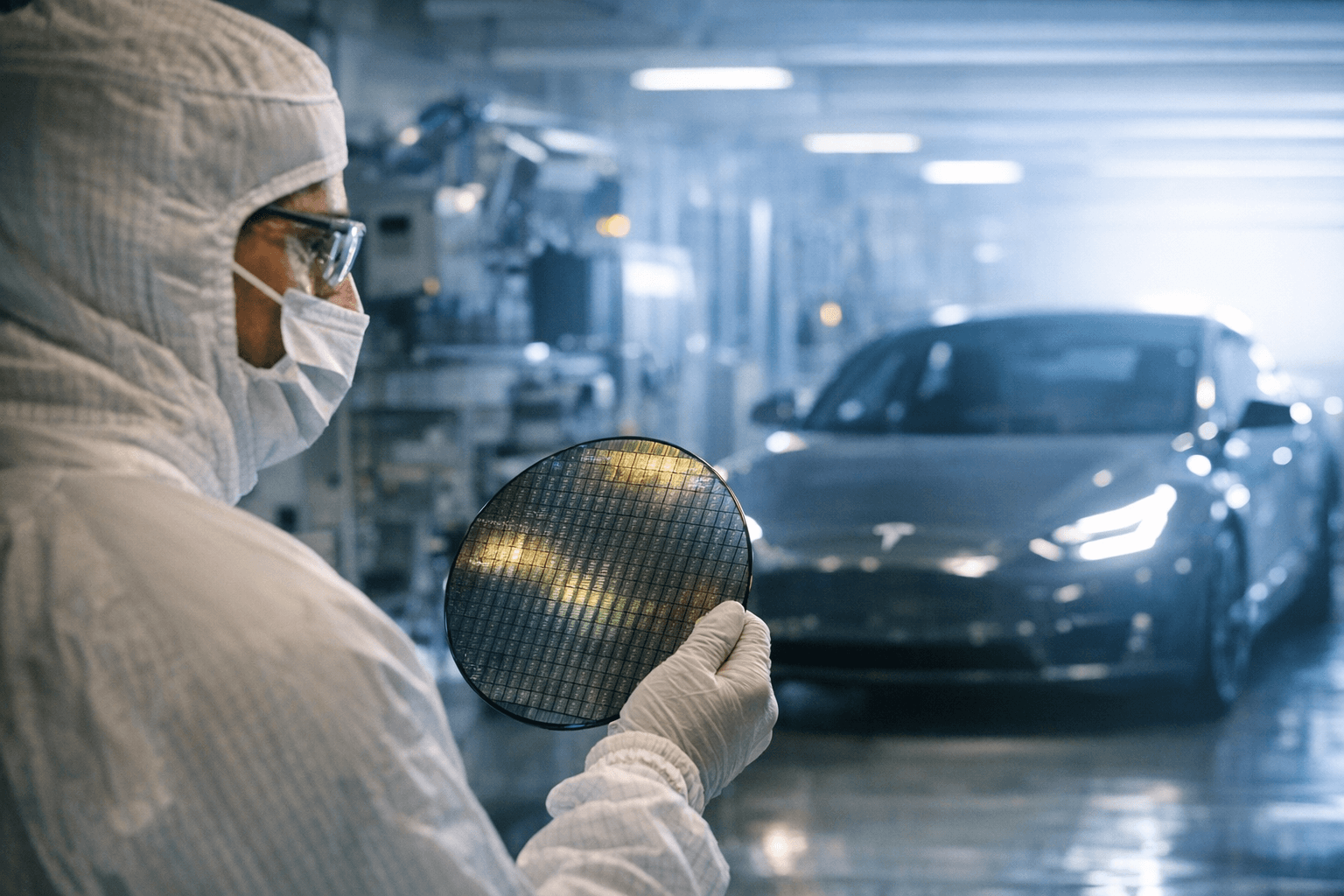
Tesla’s plan to use Intel’s next-generation 14A process for its Terafab project gave Intel something it has spent years chasing: a visible outside customer for a future manufacturing node that is still being pitched, not yet broadly commercialized. Elon Musk said Tesla expects 14A to be mature by the time Terafab scales up, and he pointed to Tesla’s strong relationship with Intel as the reason the chipmaker belongs in the project.
The market read the comment as a vote of confidence in Intel’s foundry comeback. Intel shares rose 3.6% in extended trading after the remarks, a sharp response to a company that has been trying to prove it can win external customers again after years of manufacturing setbacks and lost ground to Taiwan Semiconductor Manufacturing Co. Intel has said its foundry strategy is aimed at becoming the No. 2 foundry by 2030, and it has wrapped that effort around a five-nodes-in-four-years roadmap that now includes 14A and an enhanced 14A-E variant.
That timing matters. Intel says 18A is ready for full product design starts, while 14A sits farther out as the next step in its roadmap. Intel describes 14A as using PowerDirect, RibbonFET 2 and Turbo Cells, with roughly 15% to 20% better performance per watt than 18A, or 25% to 35% lower power at the same performance depending on design tradeoffs. In other words, Tesla is signaling confidence not in an immediate capacity fix, but in Intel’s ability to execute at the bleeding edge when Terafab needs it.
Intel has been working to rebuild that trust in public. Its foundry launch in February 2024 emphasized the expanded roadmap, and its 2025 Foundry Direct Connect in San Jose drew more than 1,000 customers and ecosystem partners, including Cadence, Siemens EDA and Synopsys. That kind of turnout matters because Intel’s pitch to potential foundry customers is no longer just about fabs and process names. It is about whether design houses and major buyers believe Intel can deliver on time, at scale, and with yields that rival the industry leader.
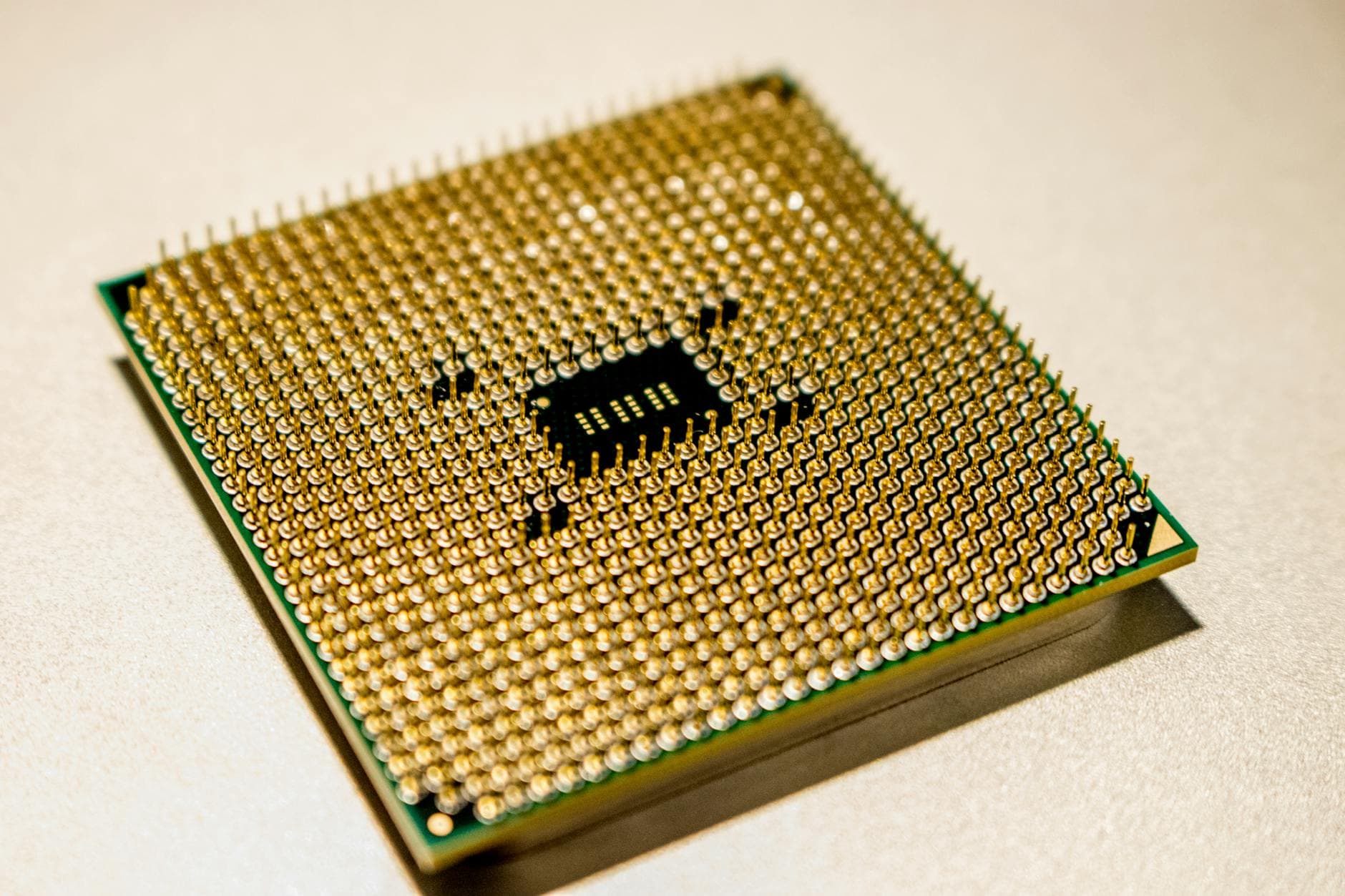
The strategic stakes go well beyond Tesla. Musk said Terafab would eventually produce one terawatt of computing capacity a year, about twice the roughly half-terawatt currently generated across the United States. Bernstein has estimated that building that much chip capacity could cost between $5 trillion and $13 trillion. Against that backdrop, choosing Intel over a more established external foundry path suggests an industrial bet on U.S.-based advanced manufacturing, not just another supplier swap.
If Intel turns 14A into a real production platform for Tesla, it would mark a major step toward domestic chip independence and a stronger U.S. foundry base. If it slips, the message will be just as clear: America’s semiconductor comeback still depends on whether Intel can convert roadmap promises into volume manufacturing.
This article was produced by Prism’s automated news system from verified source data, official records, and press releases, then run through automated quality and moderation checks before publishing. The system is built and supervised by the people who set the standards it runs under. Read our full AI policy.
Did this article answer your question?

