Texas civil rights groups sue to block immigration arrests law
Civil rights groups asked a judge to freeze Texas SB 4 again, saying the law lets state police and magistrates take over immigration enforcement.

Civil rights groups returned to federal court on May 4, asking a judge to stop Texas from enforcing Senate Bill 4, the state law that would let police arrest people suspected of entering the country illegally and let state magistrates order removals to Mexico. The new class-action suit from the Texas Civil Rights Project, the American Civil Liberties Union and the ACLU of Texas seeks a temporary restraining order and preliminary injunction before the law’s scheduled May 15 start.
The filing turns SB 4 into a fresh test of federal supremacy in immigration law. The statute does more than create a state offense for unlawful entry. It also makes it a crime not to comply with a removal order and requires magistrates to keep prosecuting even when an immigration case, including an asylum claim, is pending. Those are the provisions most likely to face judicial scrutiny because they push Texas toward its own deportation system while federal law already controls border enforcement and removal.
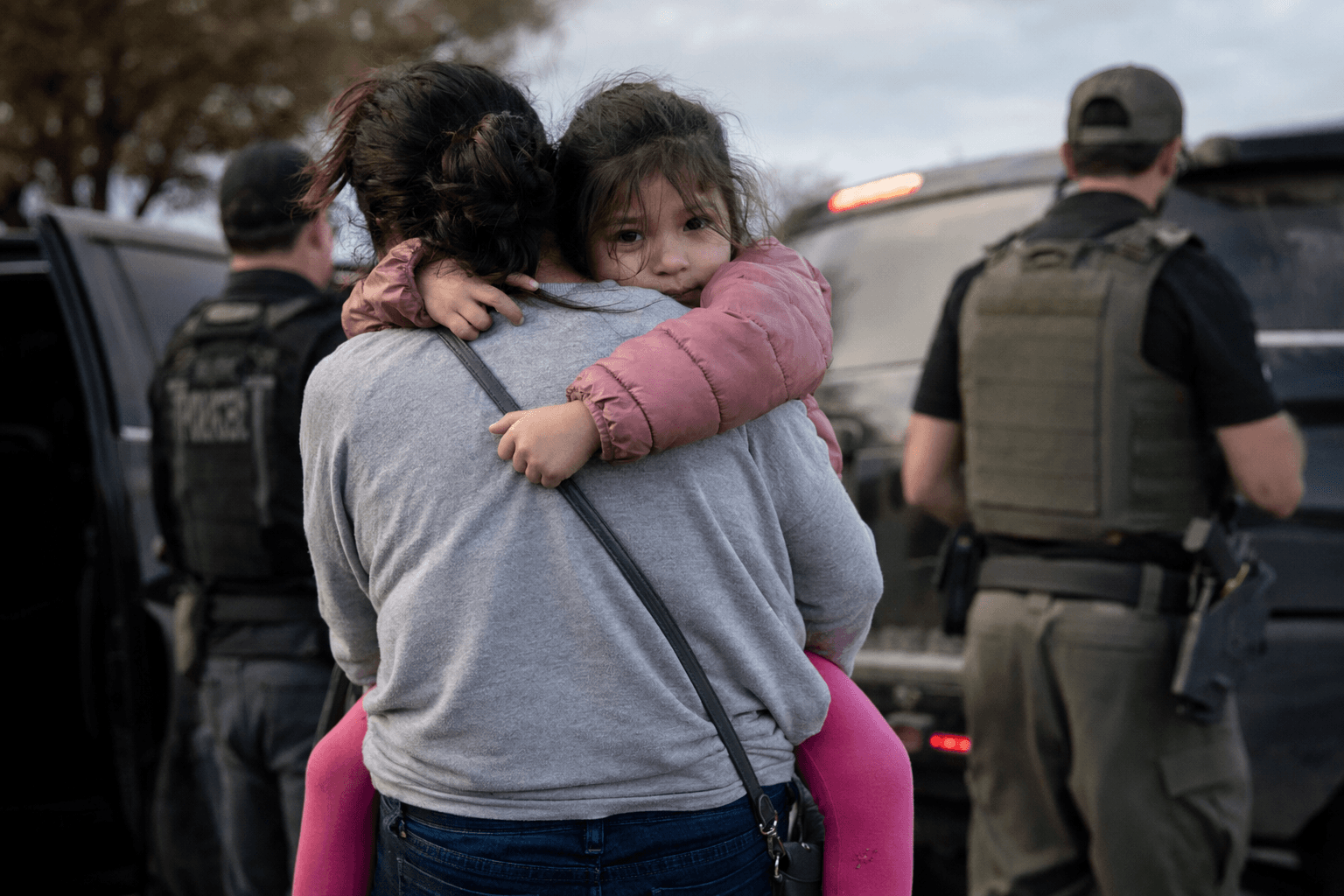
Governor Greg Abbott signed SB 4 on December 18, 2023, after Republicans framed it as a response to record border crossings. Some reporting says refusal to comply with a removal order could bring prison sentences of up to 20 years, underscoring how far the law would expand state power over immigration. A federal judge blocked the measure in February 2024, but the Fifth U.S. Circuit Court of Appeals later voted 10-7 to let it move forward on standing grounds, without deciding whether it is constitutional. The court’s late-April ruling lifted the earlier injunction and left the core legal question unresolved.
Related plaintiffs in the broader fight include Las Americas Immigrant Advocacy Center, American Gateways and El Paso County. Their challenge is part of a longer struggle over whether Texas can build a parallel immigration-enforcement regime when Washington has not acted as aggressively as state officials demand. Texas opponents argue SB 4 is preempted by federal law, while supporters say the state is filling a gap left by federal inaction.
The timing adds another layer to the case. Reporting in January 2026 said border crossings had fallen to record lows, a sharp reversal from the surge that helped drive SB 4 through the Texas Legislature’s fourth special session. That shift strengthens the argument that the law is not just an emergency response, but a broader bid to redefine who gets to enforce immigration law in the United States.
If another court does not intervene, SB 4 is set to take effect on May 15. The outcome could shape state-level immigration enforcement far beyond Texas, setting the boundaries for whether other states can follow the same path.
This article was produced by Prism’s automated news system from verified source data, official records, and press releases, then run through automated quality and moderation checks before publishing. The system is built and supervised by the people who set the standards it runs under. Read our full AI policy.
Did this article answer your question?

