Texas report says Camp Mystic lacked flood evacuation plans
State lawmakers said Camp Mystic had no written evacuation plan, leaving counselors to keep children in cabins as floodwaters rose and 27 people died.
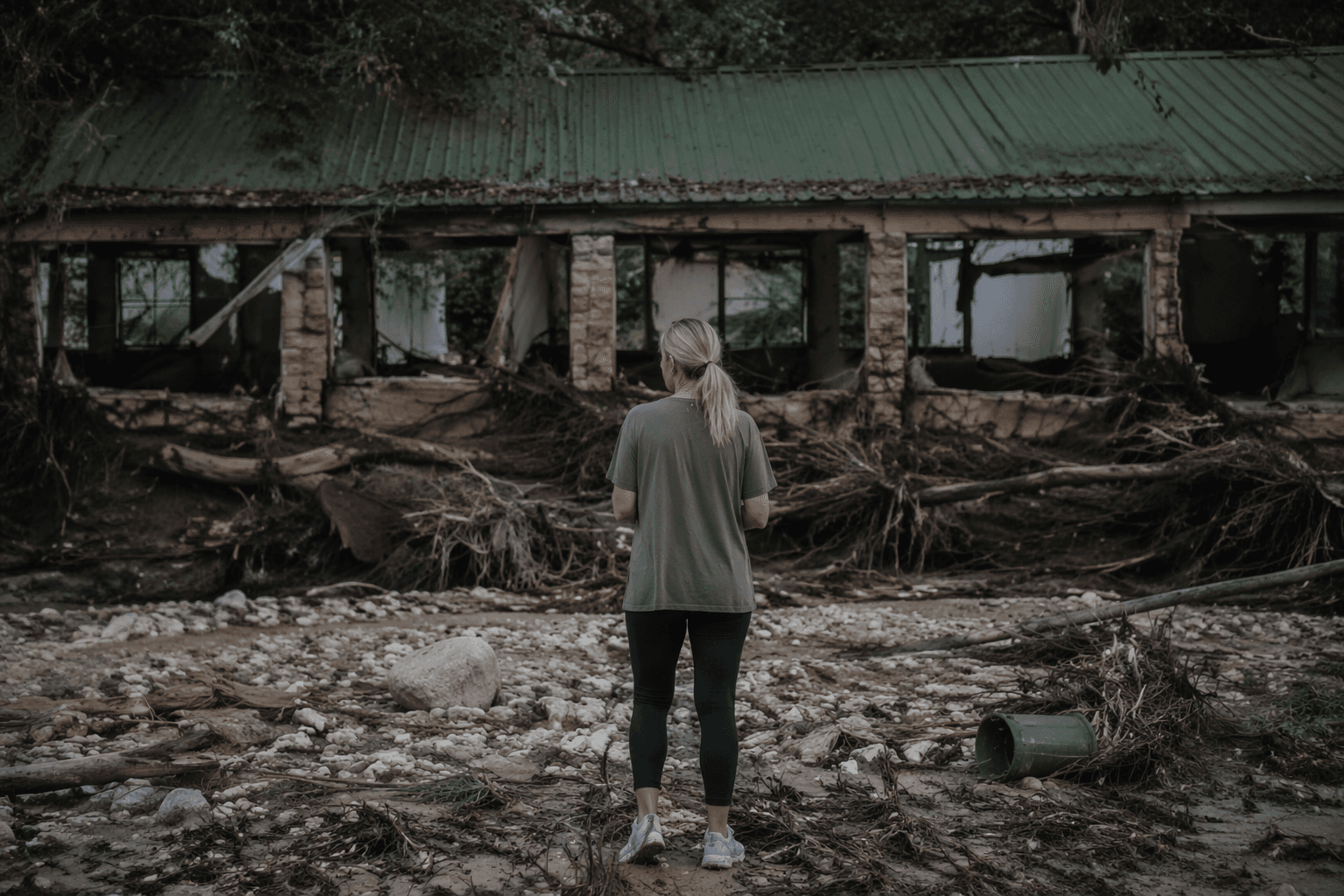
Camp Mystic’s disaster was not only a flood. Texas lawmakers said it was a failure of planning at a children’s institution that operated in a known flood corridor without written evacuation procedures, leaving staff to shelter campers in place as the Guadalupe River surged through the night.
The 115-page report adopted by a special joint committee of the Texas Legislature said the Christian girls’ camp in Kerr County near Hunt did not have state-required emergency plans that spelled out muster zones, camper accounting procedures, and responses to specific hazards. Investigators said the camp’s only written guidance during the flood was to keep children in their cabins, even though proper planning and training would have given staff enough time to move campers to higher ground on foot.

The toll was devastating. Twenty-five girls, all between 8 and 10 years old, died, along with two 18-year-old counselors and camp owner Dick Eastland. At least 39 adults were present, the report said, and some could have helped with a more orderly evacuation if they had been trained to act. Families have referred to the dead as Heaven’s 27, a grim shorthand for a loss that now sits at the center of Texas’ broader debate over youth-camp safety.
The report lands with particular force because Camp Mystic was not facing an unknown risk. The camp, founded in 1926 and located along the Guadalupe River in the Hill Country, sat in terrain long recognized as vulnerable to sudden flooding. The July 4, 2025 catastrophe has been compared with the deadly 1987 Guadalupe River flood, when 10 children died in another camp disaster, and with a 1932 flood that washed away cabins from Camp Mystic and other camps.
Texas Department of State Health Services guidance already requires youth camps to maintain emergency plans that identify muster zones, describe responses to specific events, and account for campers. The committee’s findings now put pressure on state regulators to ask why those requirements did not prevent a camp from entering a fatal night with little more than an instruction to stay inside. State leaders, including Lt. Gov. Dan Patrick, backed keeping the camp closed for 2026, and Camp Mystic later withdrew its 2026 licensing application after weeks of pressure and testimony from victims’ families.
For Texas policymakers, the report is likely to sharpen the case for stricter inspections, mandatory evacuation drills, and tougher floodplain rules for camps operating near rivers. For the families who buried children and counselors, it leaves one central question: how an institution built for children could remain exposed to a known flash-flood threat without the written plan that might have saved lives.
This article was produced by Prism’s automated news system from verified source data, official records, and press releases, then run through automated quality and moderation checks before publishing. The system is built and supervised by the people who set the standards it runs under. Read our full AI policy.
Did this article answer your question?

