Thai court sentences two Uyghur men to death for Bangkok bombing
A Thai court sentenced two Uyghur men to death for the 2015 Erawan Shrine bombing that killed 20 people, reviving questions about motive, exile and accountability.

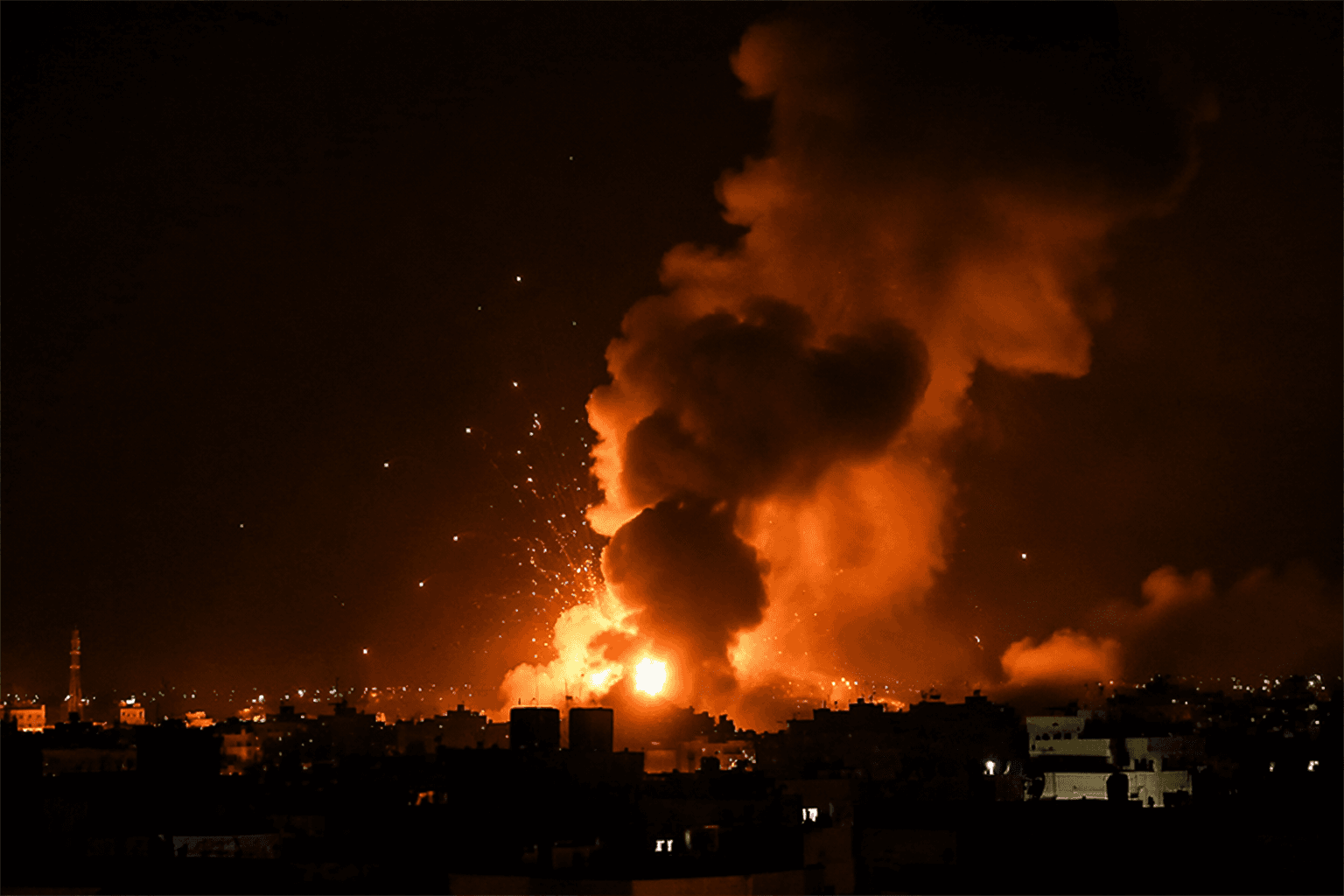
A Thai court sentenced two ethnic Uyghur men to death for the 2015 bombing at Bangkok’s Erawan Shrine, a blast that killed 20 people and wounded 120 at one of the city’s busiest worship and tourism sites. The ruling, delivered nearly 11 years after the attack, returned attention to a case that sits at the crossroads of mass casualty violence, Uyghur identity and Thailand’s relationship with China.
The Bangkok South Criminal Court convicted Yusufu Mieraili and Bilal Mohammed, also known as Adem Karadag, of premeditated and attempted murder. The court said the men committed a single act that violated multiple laws. One defense lawyer, Choochat Kanpai, said the men would appeal within a month, and Yusufu Mieraili denounced the verdict in court and said he did not accept it.
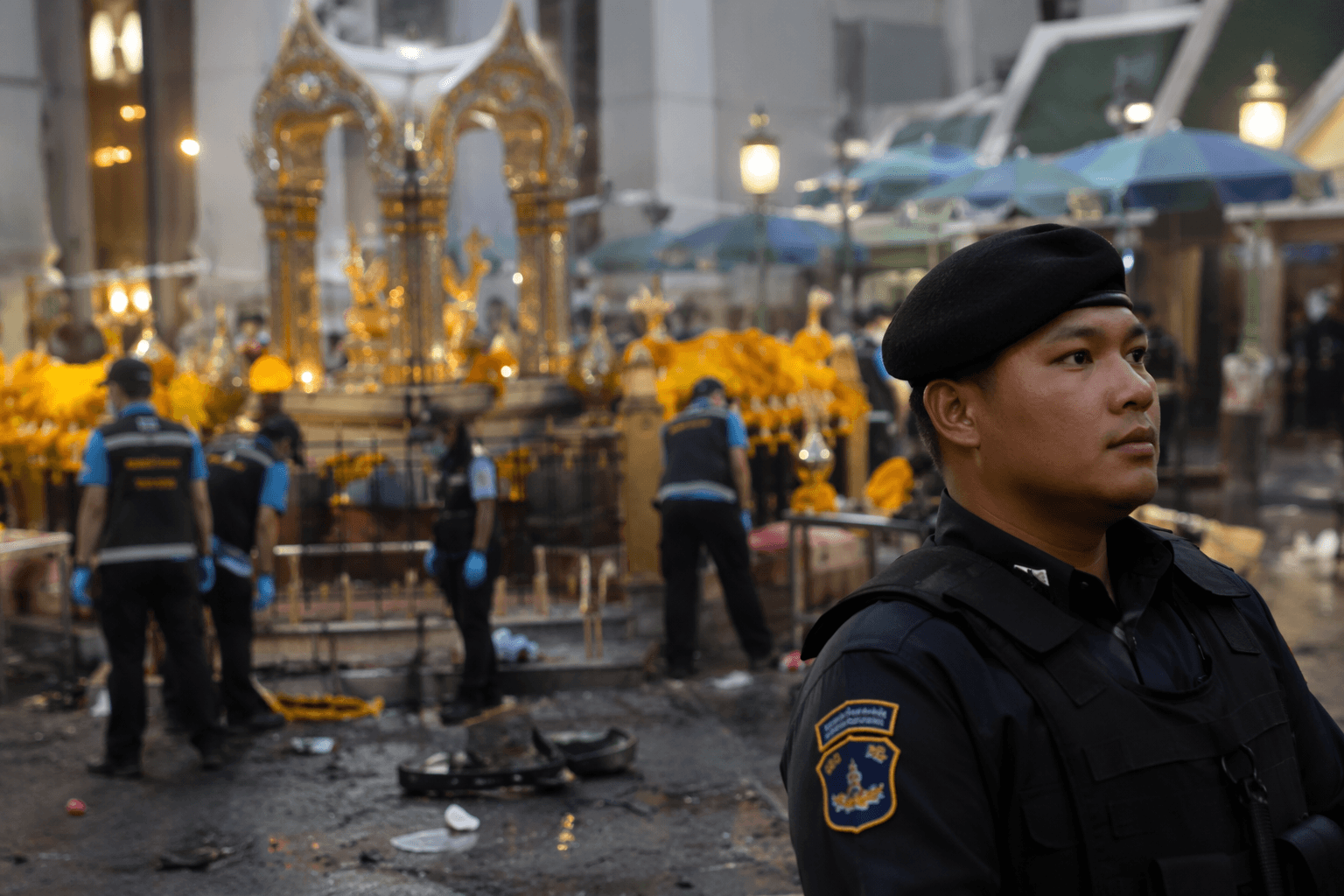
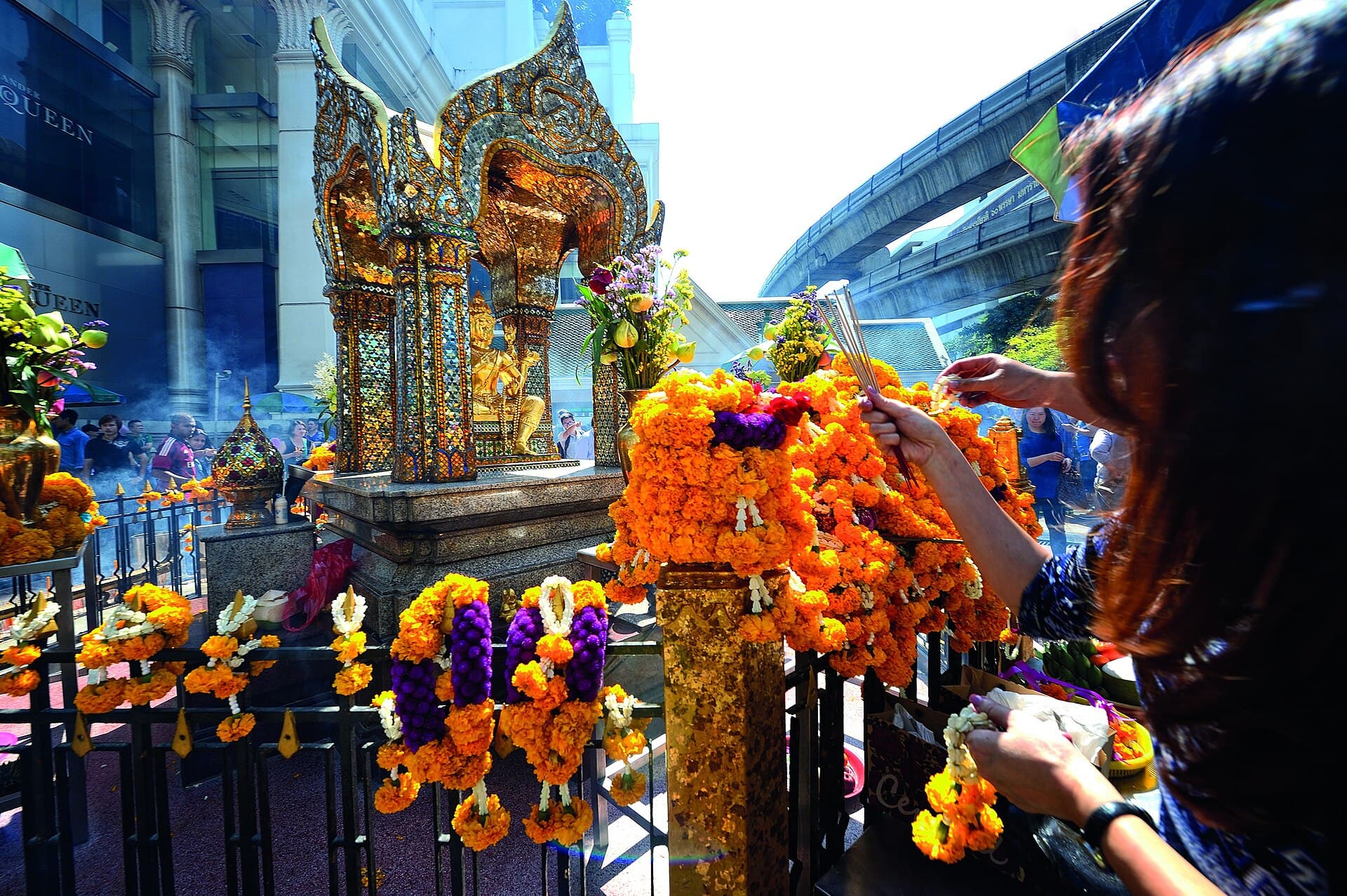
The explosion tore through the Erawan Shrine in central Bangkok’s Ratchaprasong intersection, leaving the site littered with motorbike fragments and singed debris. The dead included five people from mainland China and two from Hong Kong, with one Singaporean also among the victims. For a shrine that draws both local worshippers and foreign visitors, the attack became Thailand’s deadliest bombing and one of its most sensitive security cases.
The court also acquitted the two men on charges tied to a separate bombing at a Bangkok pier in the Charoen Nakhon area. The long-running trial stretched past 10 years, slowed by COVID-19 disruptions and problems finding interpreters, underscoring how difficult major terrorism prosecutions can become when language, nationality and political pressure collide.
The case has long been shadowed by Thailand’s forced repatriation of 109 Uyghurs to China in 2015, weeks before the shrine bombing. No group claimed responsibility for the attack, but security experts have long viewed it as possible retaliation for those deportations. That backdrop has kept the verdict entangled with broader questions about how Thailand treated Uyghur detainees and how Beijing shaped the regional response.
Those concerns resurfaced this year when United Nations human rights chief Volker Türk said Thailand’s deportation of 40 Uyghurs to China violated the principle of non-refoulement. The United Nations also said five Uyghurs from that larger detained group had died in custody and eight remained detained, while the United Nations Working Group on Arbitrary Detention said it had sent a communication on Bilal Mohammed and Yusufu Mieraili to Thailand and Cambodia on Jan. 2, 2025, without a reply from Thailand.
For the families of the dead and injured, the sentence is one of the few visible outcomes from a case that has moved through years of investigation and appeals. For Bangkok, it closes another chapter in a bombing that still carries legal and political weight, while leaving open the deeper dispute over motive, state accountability and the treatment of Uyghurs across the region.
This article was produced by Prism’s automated news system from verified source data, official records, and press releases, then run through automated quality and moderation checks before publishing. The system is built and supervised by the people who set the standards it runs under. Read our full AI policy.
Know something we missed? Have a correction or additional information?
Submit a Tip