Thames Water returns to profit as debt climbs to £18.5 billion
Thames Water posted £113 million profit after a 40% bill rise, but net debt climbed to £18.5 billion. The company still needs a recapitalisation deal.
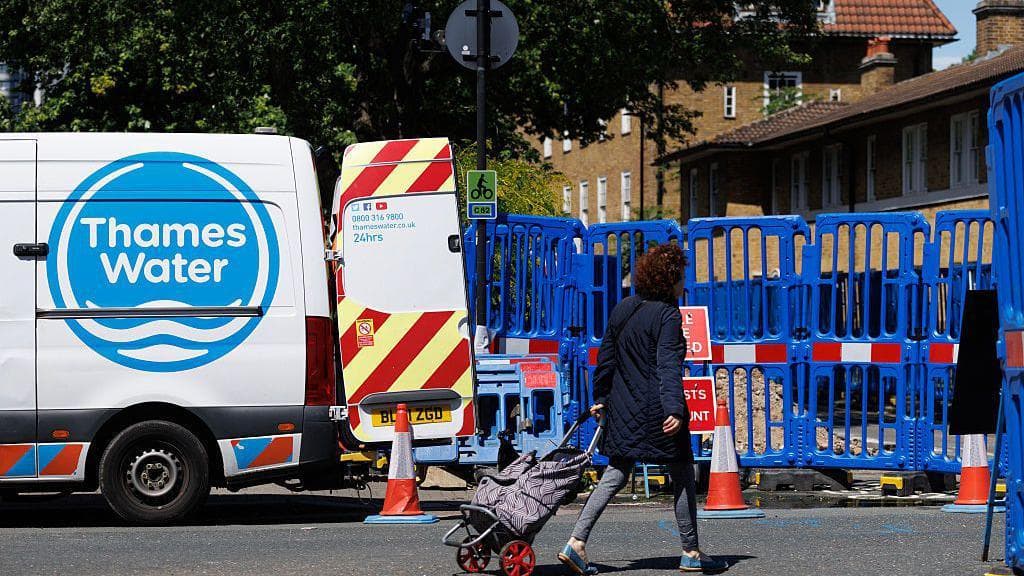
Thames Water returned to profit after last year’s 40% bill rise, posting £113 million after tax even as net debt climbed to £18.5 billion. The previous year’s post-tax loss was £1.51 billion, and the utility still needs a rescue deal to stabilise a balance sheet serving about 16 million customers across London and surrounding counties.
Chief executive Chris Weston said the company was performing better as turnaround work gathered pace. The company continued to fund the business through debt and internally generated cash flows, and its current gearing remains too high. The company expects it will take at least a decade to turn the business around.
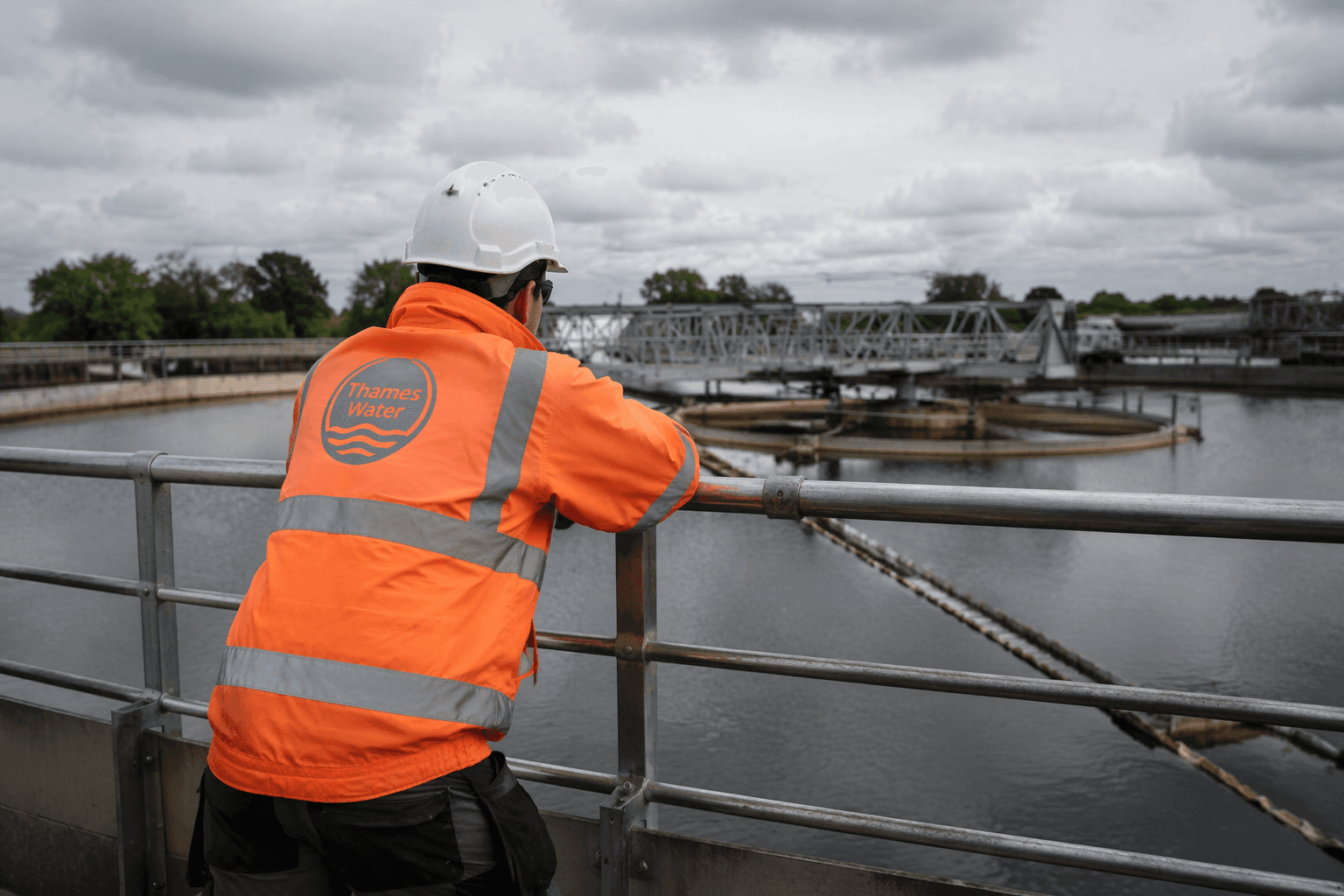
The improved result was driven by higher allowed tariffs in the regulatory settlement, alongside heavier capital spending. Leakage was at its lowest ever level, down 13.2% since 2020, while performance on supply interruptions and complaints also improved. The company invested a record £8.5 billion in infrastructure between 2020 and 2025, and the £4.5 billion Thames Tideway Tunnel connected to its London network, reducing sewage entering the tidal River Thames by 95%.
Thames Water recorded 470 pollution incidents in 2024, up 34.3% from 350 in 2023, and attributed the increase to significant rainfall and high groundwater levels.
The annual figures are for the year ended 31 March 2026. Ofwat’s PR24 final determinations for 2025-30 set the sector’s allowed revenue and price framework, and its 2025-26 bill announcement is separate from the PR24 process.
This article was produced by Prism’s automated news system from verified source data, official records, and press releases, then run through automated quality and moderation checks before publishing. The system is built and supervised by the people who set the standards it runs under. Read our full AI policy.
Did this article answer your question?