The Perfect Loaf - Practical Sourdough Guidance for Home Bakers
The Perfect Loaf remains a long-running, well-regarded resource that breaks down sourdough technique, starter science, recipes, and troubleshooting into usable, step-by-step material. Its annotated formulas, baker's percentages, and photo sequences help home bakers move from inconsistent loaves to reliable, bakery-quality results and adapt recipes to different flours and home ovens.
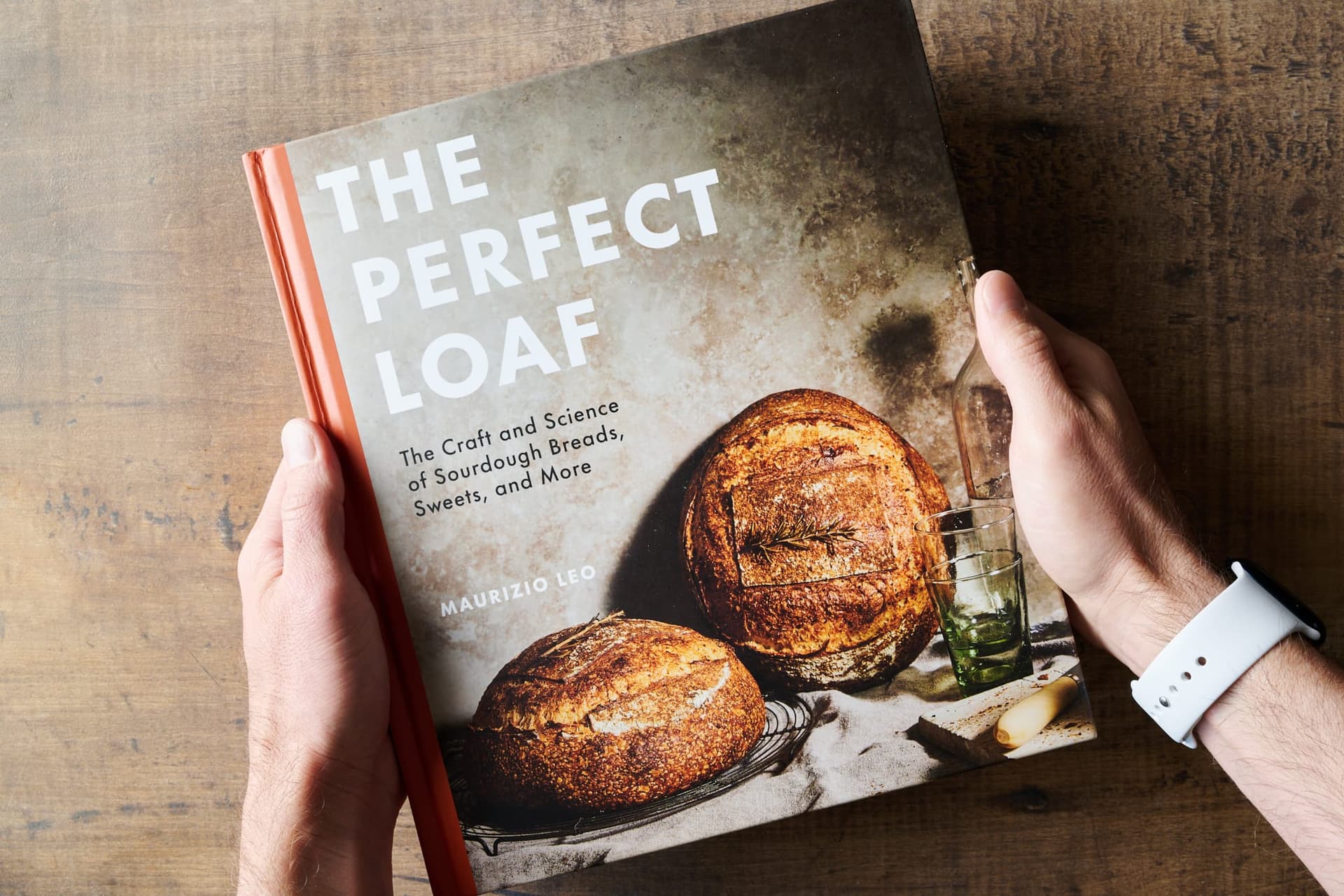
The Perfect Loaf provides focused, practical instruction for home sourdough baking, emphasizing actions that produce repeatable results. The site centers on starter maintenance and feeding schedules, scale-based recipes, and detailed technique work on autolyse, hydration, shaping, scoring, retarding, and temperature control. That combination makes it a hands-on reference for anyone ready to go beyond a first successful loaf.
At the top of the resource are step-by-step tutorials and annotated formulas with baker's percentages. Those annotations let you adjust hydration and ingredient ratios deliberately rather than guessing. Photo sequences show each stage in shaping and scoring, which is particularly useful when visual cues determine whether a loaf is ready for the oven. Follow scale-based recipes and the annotated formulas to translate written directions into consistent outcomes across different kitchens.
Troubleshooting content targets common failures that derail progress. Posts on underproofing, kahm yeast, and weak gluten provide specific fixes and preventive routines you can apply immediately. Use the starter maintenance and feeding schedules as templates: match the timing and ratios to your kitchen's temperature and your starter's vigor, then adjust using the baker's percentages provided. Retarding schedules and temperature-control guidance help manage fermentation windows for work schedules and seasonal variation.
Community relevance lies in how the resource translates technique into reliable practice. If you bake in a cooler home oven or with high-extraction flour, use the annotated formulas to alter hydration and fermentation rather than relying on one-size-fits-all directions. If a loaf shows poor oven spring or sticky crumb, return to the site's photos and troubleshooting steps to isolate whether the cause is shaping, proofing, or gluten development.
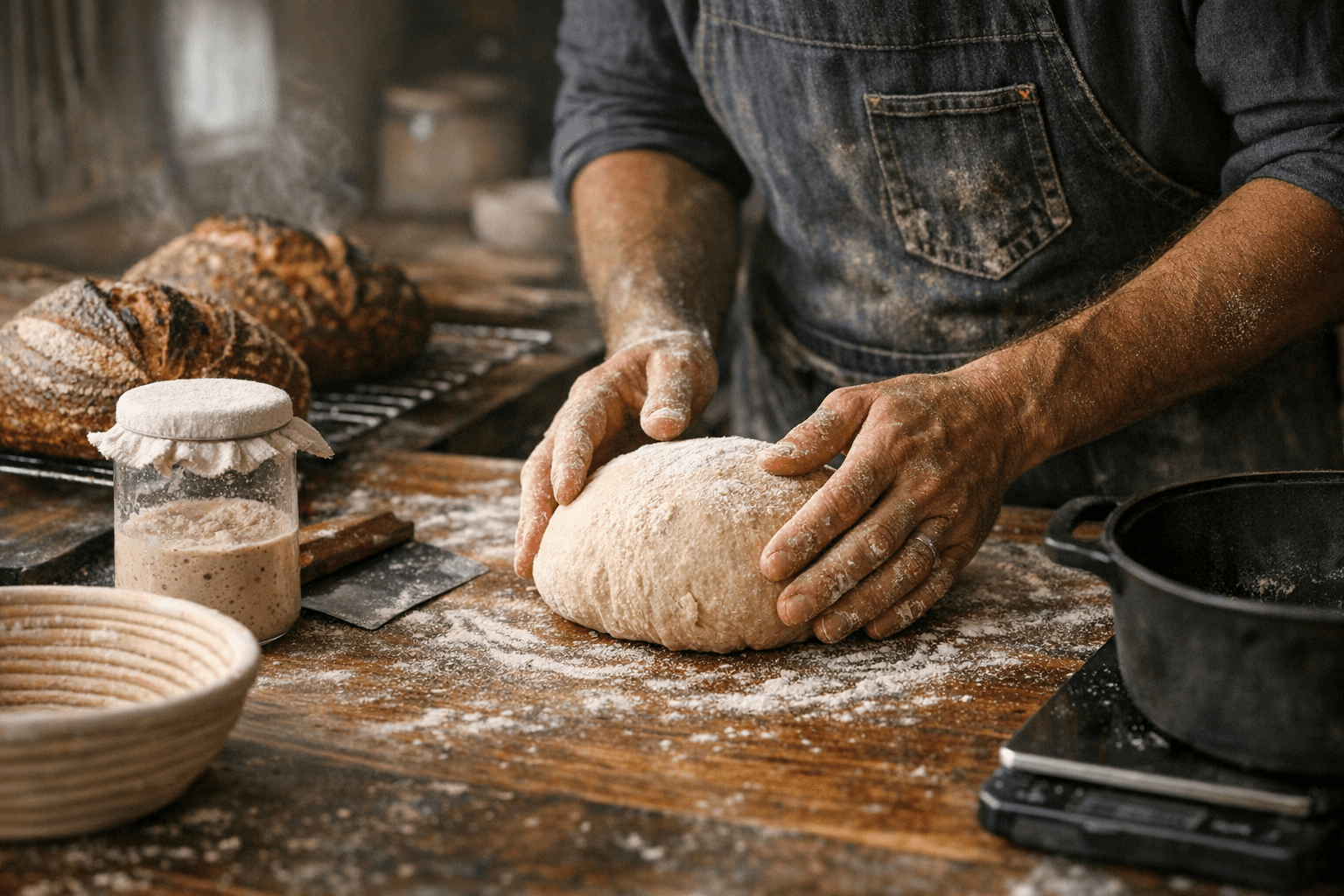
Practically, apply the site's materials by weighing ingredients, recording times and temperatures, and iterating. Use the photo sequences to compare your dough at each stage, and use baker's percentages to scale and adapt recipes when substituting flours. Treat the feeding schedules as starting points and tune them to your environment to maintain a strong, predictable starter.
For home bakers aiming for consistent results, The Perfect Loaf puts the technical pieces together in a usable form: clear formulas, visual guidance, and problem-focused posts that reduce guesswork and speed progress from occasional success to dependable daily loaves.
Know something we missed? Have a correction or additional information?
Submit a Tip