Thermo Fisher sells microbiology unit to Astorg for about $1.08 billion
Thermo Fisher is cashing out of microbiology for about $1.075 billion, a sale that points to a larger portfolio reset in diagnostics and lab tools.
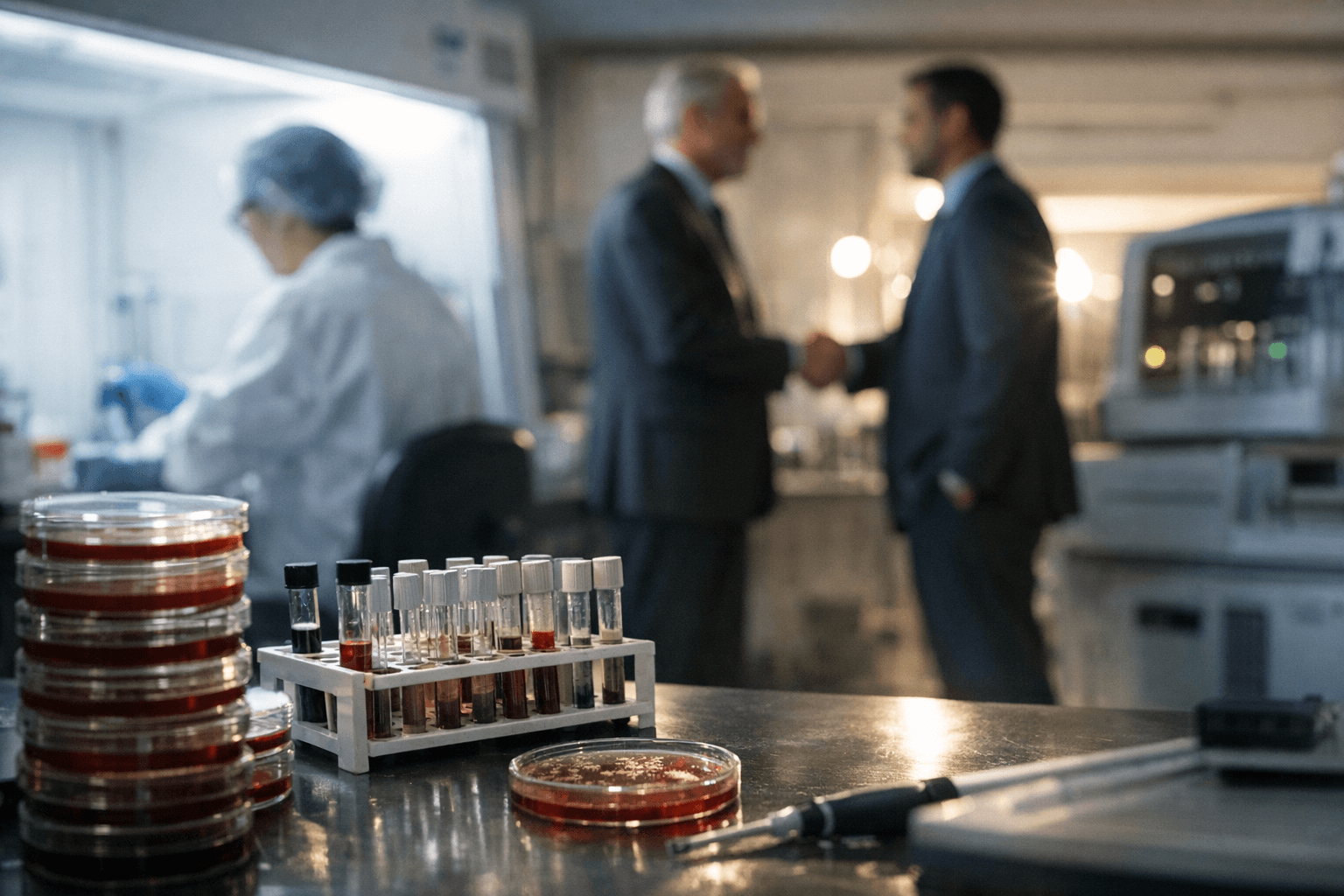
Thermo Fisher Scientific agreed to sell its microbiology business to Astorg for about $1.075 billion, including cash and a $50 million seller note, as the life-sciences giant trims a unit that generated $645 million in revenue last year. The sale removes a business inside Thermo Fisher’s Specialty Diagnostics segment that supplies antimicrobial susceptibility testing and culture media for clinical, pharmaceutical and food safety work.
The move fits a broader pattern across health-care and laboratory companies: businesses that are important to the testing ecosystem but not central to the highest-return parts of the portfolio are being carved out, recapitalized or sold. For Thermo Fisher, the divestiture releases immediate capital and sharpens the company’s focus on segments where scale, pricing power and margins may be stronger. For Astorg, the deal is a chance to buy a substantial operating platform with global reach and room to run independently.
Astorg said the microbiology business has about 2,400 employees and operates 13 manufacturing and research sites around the world. The private-equity firm said the market is supported by structural tailwinds, including more complex infections, stricter food safety standards and growing pharmaceutical quality-control requirements. Those pressures help explain why a business focused on microbiology testing can still attract private capital even as broader financing conditions remain uneven.
Thermo Fisher chief executive Marc N. Casper said the transaction reflected active management of the company and would provide capital that can be deployed to create shareholder value. The company said it expects the deal to close in the second half of 2026 and estimated that the sale will dilute adjusted earnings per share by $0.15 in the first full year after closing.

The transaction underscores how life sciences is being reshaped at the margins. Diagnostics and lab services remain essential to hospitals, drugmakers and food producers, but investors are increasingly sorting those assets by growth profile and margin potential. In that context, Thermo Fisher’s sale looks less like a one-off cleanup than another sign that large health-care companies are deciding which laboratory businesses deserve long-term ownership and which are better suited to private equity stewardship.
This article was produced by Prism’s automated news system from verified source data, official records, and press releases, then run through automated quality and moderation checks before publishing. The system is built and supervised by the people who set the standards it runs under. Read our full AI policy.
Did this article answer your question?

