Thousands in Havana protest U.S. indictment of Raúl Castro
Thousands gathered outside the U.S. Embassy in Havana as Cuba turned Raúl Castro’s indictment into a loyalty display, reviving a 1996 wound that still shapes the standoff.
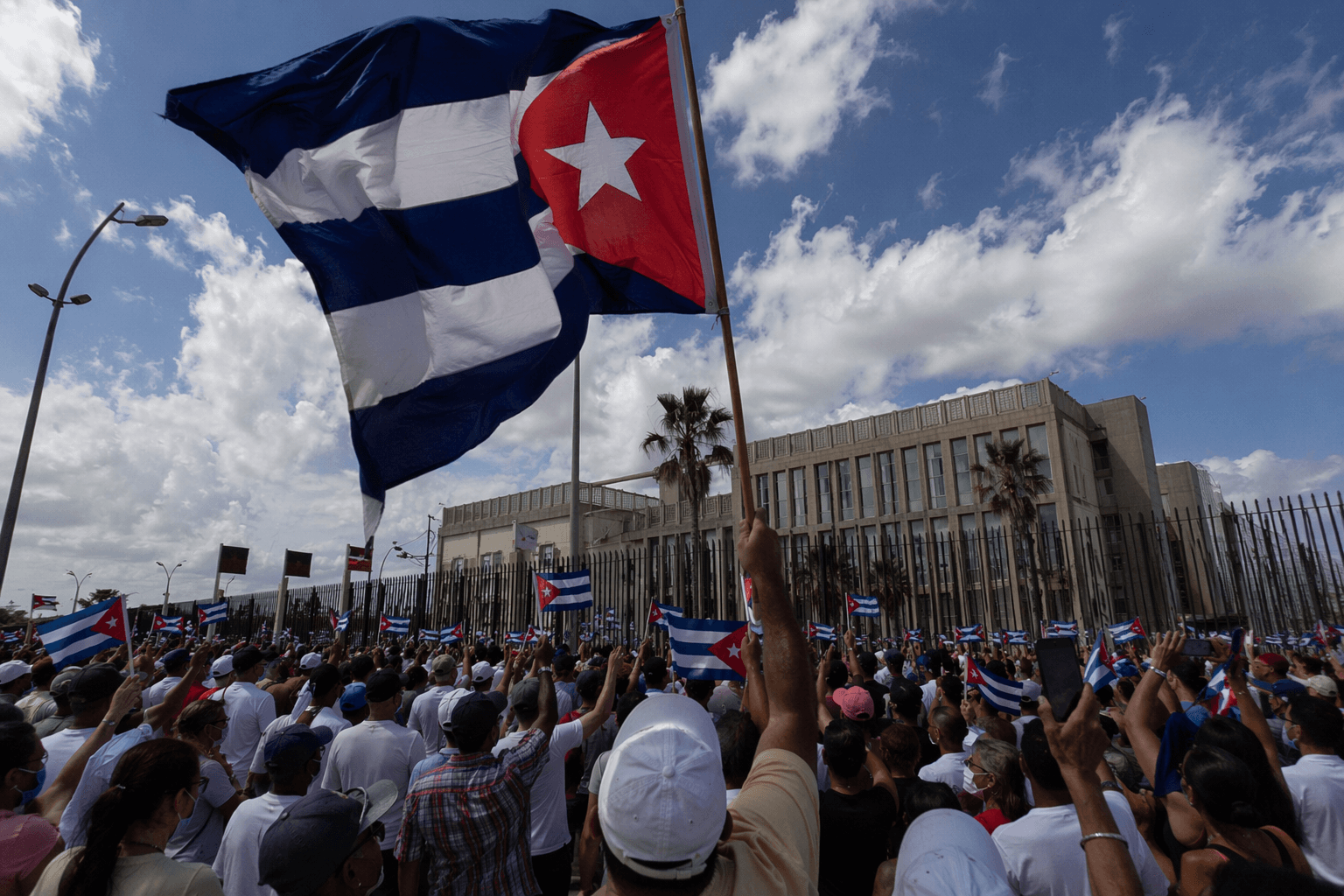
Thousands of Cubans filled the Havana waterfront outside the U.S. Embassy, turning Raúl Castro’s indictment into a public display of defiance and a reminder of how the 1996 shoot-down still cuts through Cuban politics. The rally began shortly after sunrise and lasted nearly an hour, with chants of “Viva Raúl!” and “Patria o Muerte” echoing in front of the mission as President Miguel Díaz-Canel and Prime Minister Manuel Marrero stood among the crowd.
The demonstration gave Havana a chance to recast the U.S. move as something broader than a criminal case. Castro, now 94, did not appear, but the turnout included family members Mariela Castro, Alejandro Castro and grandson Raúl Guillermo Rodríguez Castro. State media later said Castro was “doing very well,” signaling that the government wanted the optics of loyalty without the physical presence of its most potent revolutionary symbol.
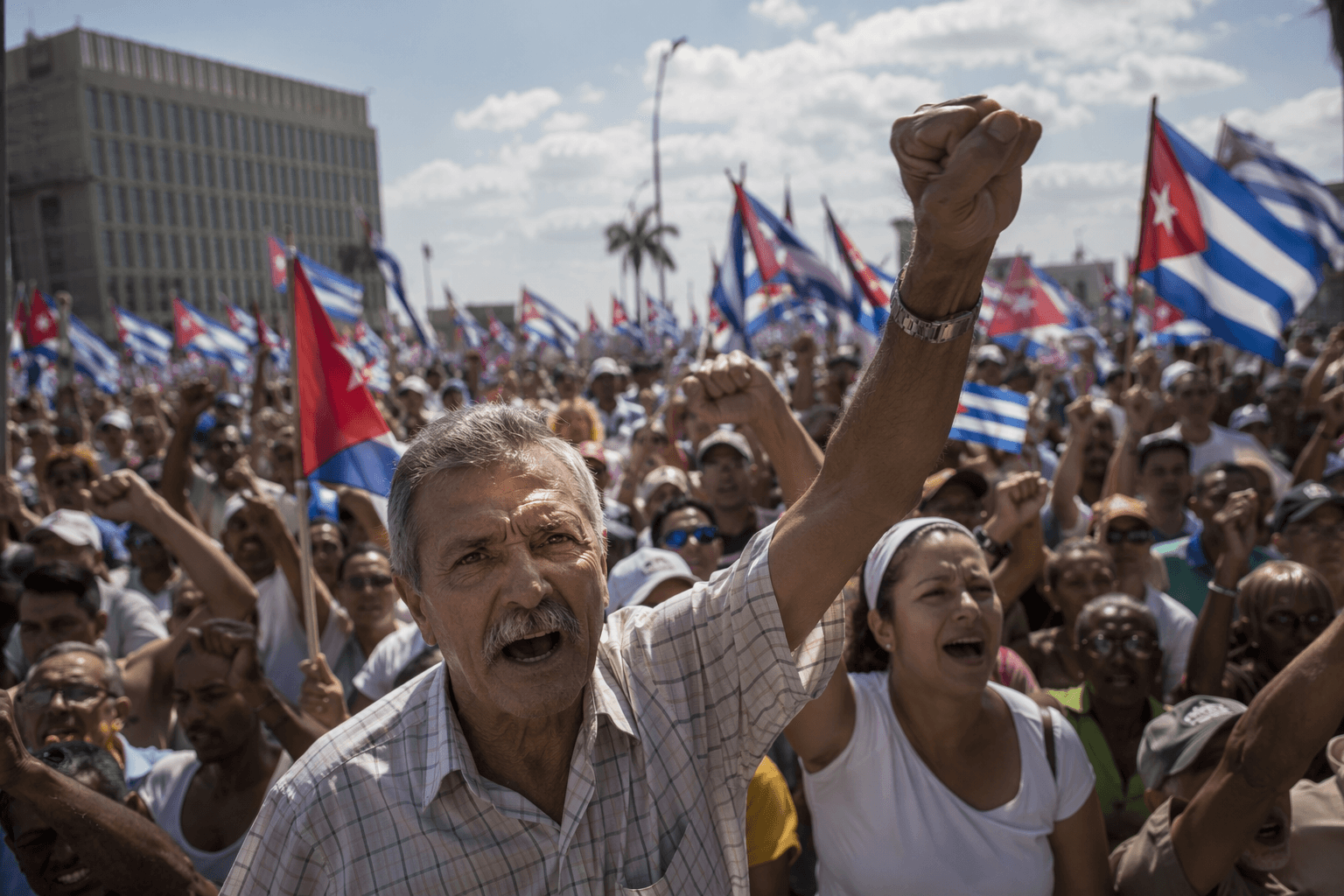
The protest followed the U.S. Justice Department’s unsealing of a superseding indictment on May 20 against Raúl Modesto Castro Ruz and five co-defendants in the Feb. 24, 1996 shoot-down of two unarmed Brothers to the Rescue aircraft over international waters. Prosecutors said the attack killed Carlos Costa, Armando Alejandre Jr., Mario de la Peña and Pablo Morales. The charges include conspiracy to kill U.S. nationals, two counts of destruction of aircraft and four counts of murder. Officials unveiled the case at Miami’s Freedom Tower on Cuban Independence Day, a setting that underscored how deeply the episode still resonates among Cuban exiles.
The timing also revived another layer of historical grievance. The National Security Archive released declassified FAA records a day before the indictment, saying aviation officials had warned of a possible shoot-down and had described a “worst case scenario” in which “one of these days the Cubans will shoot down one of these planes.” The archive said Cuban government protests over repeated airspace violations and leaflet drops by Brothers to the Rescue had preceded the attack.
For Havana, the indictment became more than a legal action. With the island facing severe fuel shortages and wider economic strain, the government used the rally to channel anger outward and rally support around the old guard. That made the event look less like a spontaneous outburst than a choreographed loyalty ritual, one meant to show that outside pressure still strengthens the state’s claim to legitimacy.
The immediate diplomatic effect appeared limited, but the symbolism was sharp. Donald Trump praised the indictment and said the United States was “freeing up” Cuba, while saying he had no plans for escalation. In Havana, the message from the street was the opposite: the regime intends to treat the case as proof that Washington is still pursuing confrontation, not reconciliation, in a relationship that remains frozen.
Know something we missed? Have a correction or additional information?
Submit a Tip